
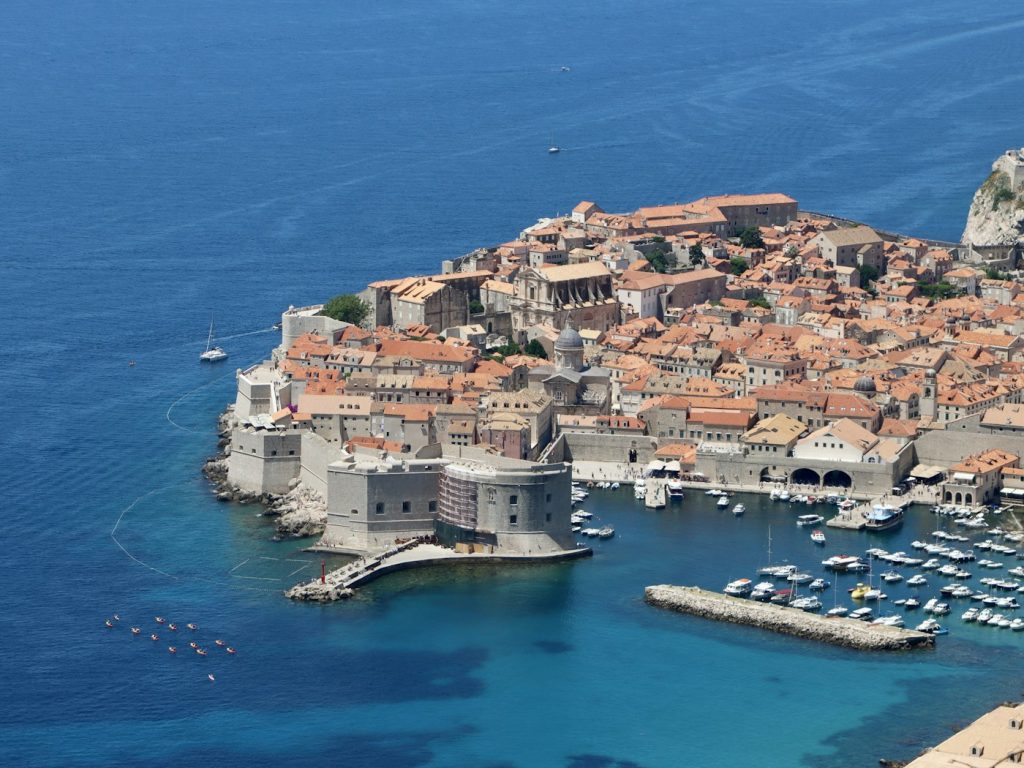
Yes, Croatia is generally a reasonable choice for solo female travelers, including a first independent trip. A few days in Split or Dubrovnik can combine old-town walks, cafés, and time by the Adriatic without requiring a companion or a rental car. The planning deserves more attention when the trip adds islands, late arrivals, or remote outdoor activities.
As of October 21, 2026, the U.S. State Department rates Croatia Level 1, meaning travelers should exercise normal precautions. This is countrywide guidance. It does not predict every encounter or make an ambitious island-hopping itinerary effortless. A comfortable trip starts with a convenient base and transport that works on the dates you actually travel.
Croatia safety at a glance
| Category | Editorial score | Main concern |
|---|---|---|
| Personal safety | 8/10 | Guard belongings in crowds and verify arranged rides |
| Transport | 7.5/10 | Check the exact port, sailing date, and weather updates |
| Night-time safety | 7.5/10 | Assess quiet waterfront stretches and the route to your room |
| Tourist infrastructure | 8/10 | Coastal bases are practical; island access needs closer planning |
| Solo-travel ease | 8/10 | One mainland base can be easier than ambitious island-hopping |
| Overall | 7.8/10 | A reasonable first solo trip with manageable transfers and outdoor plans |
These subjective Lush Nomad editorial scores summarize the practical guidance below for an ordinary sightseeing trip. Higher scores indicate fewer planning hurdles within each category; they are not official safety statistics or a prediction of individual risk. The overall score is the mean of the five categories. Remote outdoor activities require a separate assessment.
Start with the base that suits your trip
Choose a place by what an ordinary day there would involve. A sea-view apartment is less appealing if every dinner ends with a long uphill walk and complicated key collection.
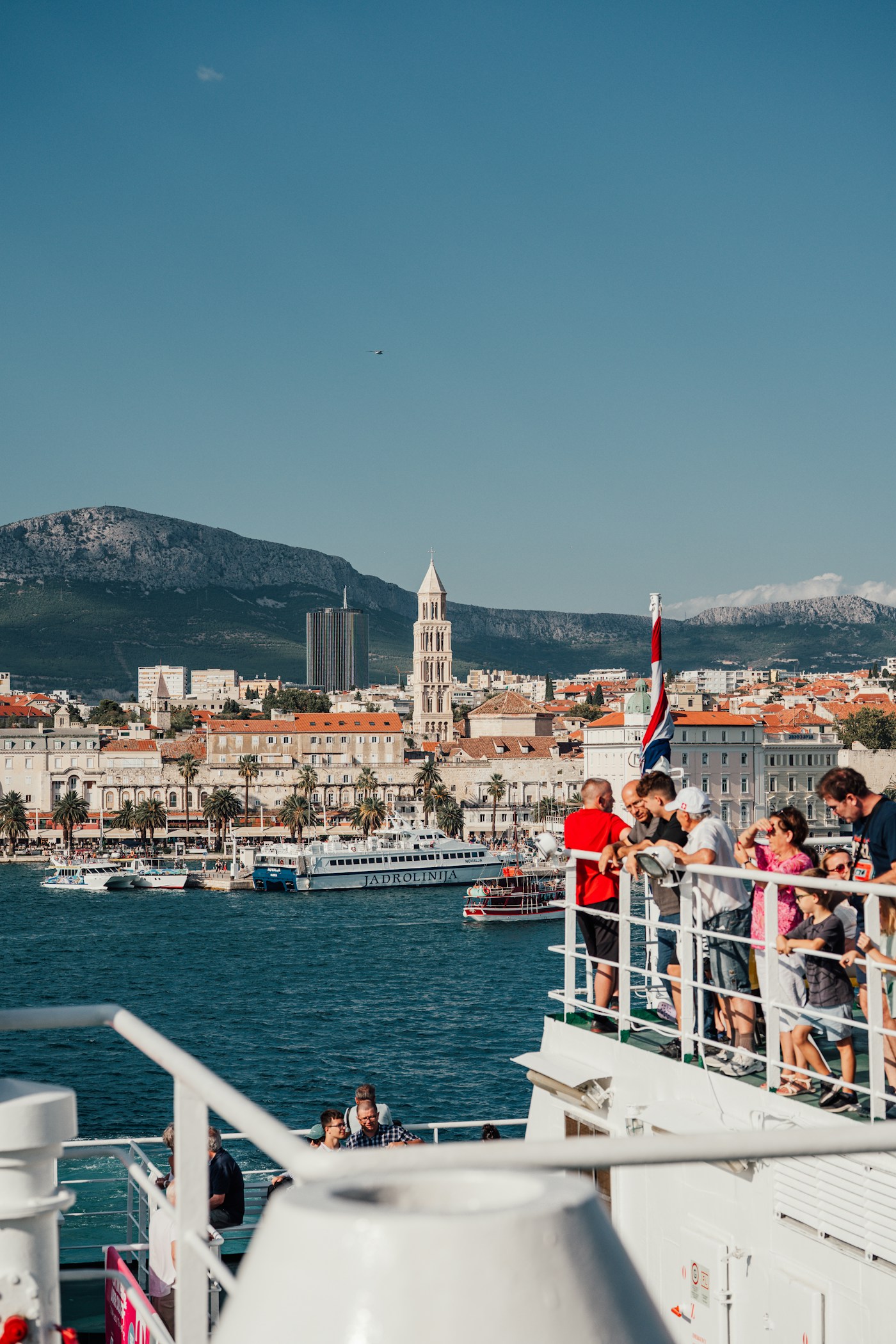
Split is worth considering for a trip built around its historic center, waterfront, and onward boat connections. Compare accommodation with the exact bus stop or ferry departure point you need. Being “near the port” is useful only if the walk to your particular departure is manageable with luggage.
Dubrovnik suits a stay centered on the walled Old Town. Check how many steps lead to the property and where a taxi can actually drop you. The Port of Dubrovnik is in Gruž, separate from the historic center; the Old Town harbor and Gruž are not interchangeable meeting points. Confirm which one appears on every ticket or tour voucher.
For either city, ask about reception hours, late check-in, and a reachable contact. Recent reviews mentioning the entrance, nighttime noise, and helpful staff are more useful than an unexplained “solo-friendly” label. If meeting people matters, consider a well-reviewed hostel with organized activities and lockers; a private room can preserve some quiet without removing the social option.
If arriving after dark, send your expected arrival time to the property and get the check-in instructions in writing. Save the entrance photo and address before leaving the airport or bus station. A short message confirming who can help with a failed door code is useful insurance against a frustrating first evening.
Plan ferry days before booking the next room
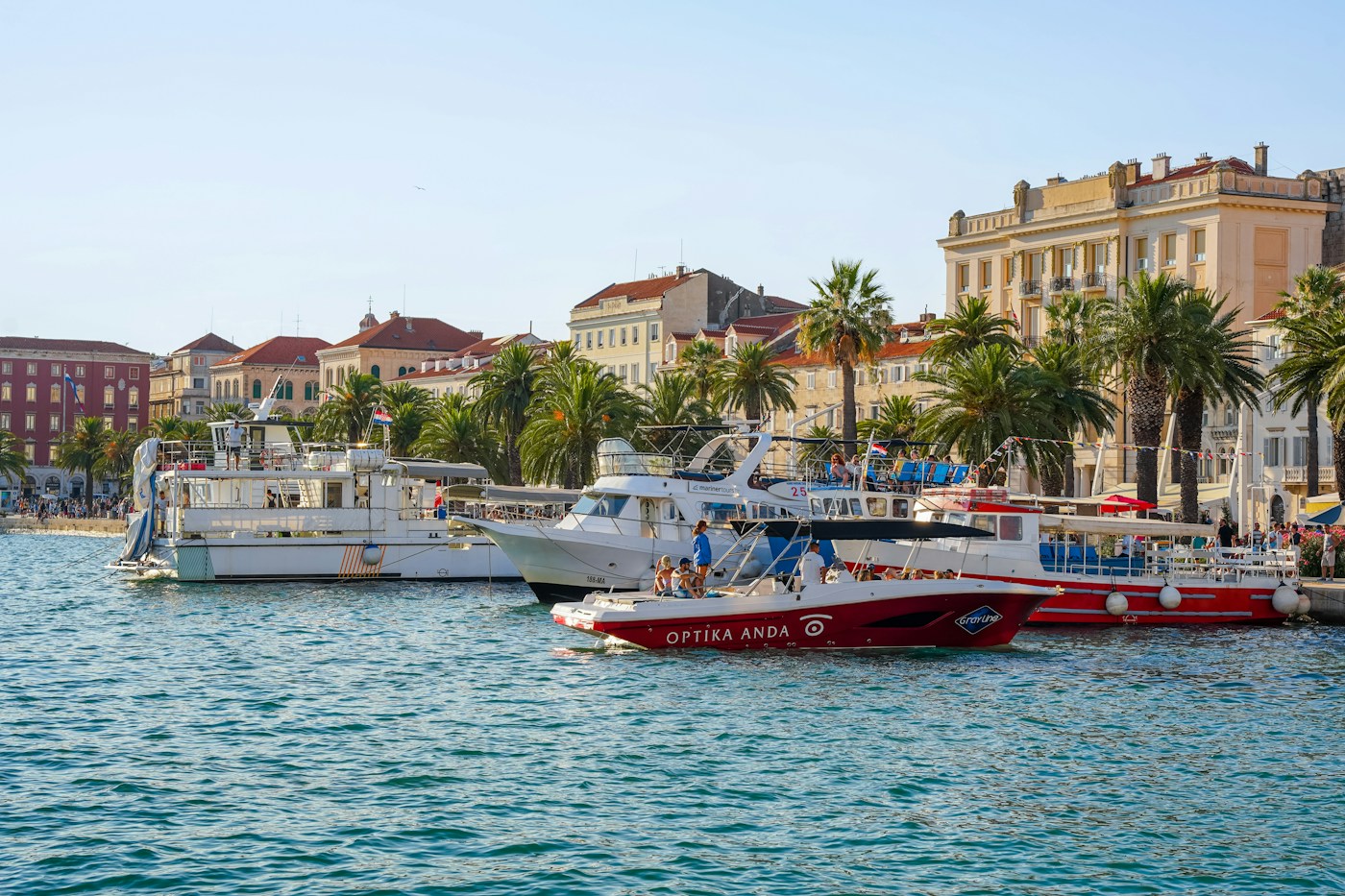
You can build a coastal trip around buses and passenger boats without renting a car. Start by verifying each connection, then choose accommodation. A line on a map does not establish that a suitable boat runs that day.
On Jadrolinija’s official booking site, search the exact date and ports. Its passenger FAQ distinguishes vehicle ferries from ship and high-speed services for foot passengers. Ticket rules also differ: reserved departures are tied to a specific sailing, while some other lines use non-reservation tickets subject to capacity. Read the conditions for your route. Save your ticket and the correct terminal location offline, and keep identification and payment cards in the bag that stays with you.
Check the operator’s boarding instructions and service updates before leaving. If using another company, check that company’s notices. Weather can interrupt sailings, so leave room to change plans and avoid making the final island crossing the only connection to an expensive flight home.
For a short first trip, one mainland base with an optional island outing is a sensible starting point. An overnight island stay can be lovely when it has time to breathe. Our guide to planning a multi-city trip helps account for the hours spent checking out, reaching a terminal, and settling in again.
Make the evening return a separate decision
Walking alone after dinner depends on the route, time, and conditions. An open restaurant street and an empty waterfront path require different judgments. Look at the final stretch to your accommodation before going out, and keep a backup transport option available.
A nightlife outing deserves the same planning. Decide how to leave independently, keep your drink with you, and avoid letting a new acquaintance become your only way home. A walking tour or daytime activity can offer company without committing to a full night out.
Keep enough phone battery to navigate or arrange a ride. If a route or interaction feels uncomfortable, head toward an open, staffed business and ask for assistance. Changing plans is a normal part of traveling alone. It does not need a dramatic explanation.
Keep theft and taxi precautions practical
Canada’s Croatia travel advice notes low violent crime alongside pickpocketing and purse snatching. Give belongings particular attention at transport hubs, busy attractions, and outdoor cafés. Zip your bag before joining a queue, keep it close while seated, and separate a backup card from your everyday wallet.
For taxis, the UK government’s Croatia guidance includes reports of sexual assaults and recommends sharing identifying details or ride status with someone. Arrange the ride through a recognized operator or your accommodation, confirm the vehicle and destination, and share the journey where possible. No booking method guarantees safety, and responsibility for an assault lies with the person committing it.
Use a few habits consistently instead of continually monitoring a crime map. The broader travel safety tips for women cover hotel security, emergency preparation, and keeping essential belongings accessible.
Treat beaches and outdoor trips as their own activities
The Adriatic is a large part of Croatia’s appeal, but a beach afternoon needs a different plan from a museum visit. Take only what you need, choose a straightforward entry and exit, and use a supervised swimming area when available. Avoid swimming alone; other people nearby cannot be assumed to be watching you. Follow local warnings and stay out when conditions are unsuitable.
Australia’s Smartraveller advice specifically warns against jumping from coastal rocks and cliffs. It also notes that medical services on islands are limited and evacuation may be expensive. Check that insurance covers your planned activities and medical evacuation before paying for boat trips or adventure excursions.
For mountain hiking, use an experienced guide and stay on marked routes. A destination’s reassuring crime profile says little about weather, exposure, or navigation. Follow local closures and fire warnings, and be willing to substitute a town day for an outdoor plan.
Carry a cover-up for the walk back from the beach. Some tourist towns restrict wearing swimwear in public streets, as the Australian guidance explains. The sea and the café terrace may be close together, but they are still different settings.
Save the help you might need
Call 112 for an emergency in Croatia. The Croatian government’s emergency-service page confirms that tourists can use this number and report emergencies in English. Save your accommodation’s address and a nearby landmark so you can explain where help is needed.
Keep your insurer’s assistance number, bank contact, and accommodation contact accessible offline. U.S. travelers can also enroll in STEP through the State Department for embassy updates. Add these details to your international travel checklist before departure.
A good first trip leaves room to change your mind
Croatia can work well for a first solo trip when the itinerary matches your comfort with transfers and time alone. Begin with a manageable base and one or two experiences you want, then leave space for decisions made on the day. The solo travel planning guide can help narrow those choices. A slow lunch by the harbor is a perfectly good use of an afternoon; the next island does not need to be reached simply because it is visible on the map.