
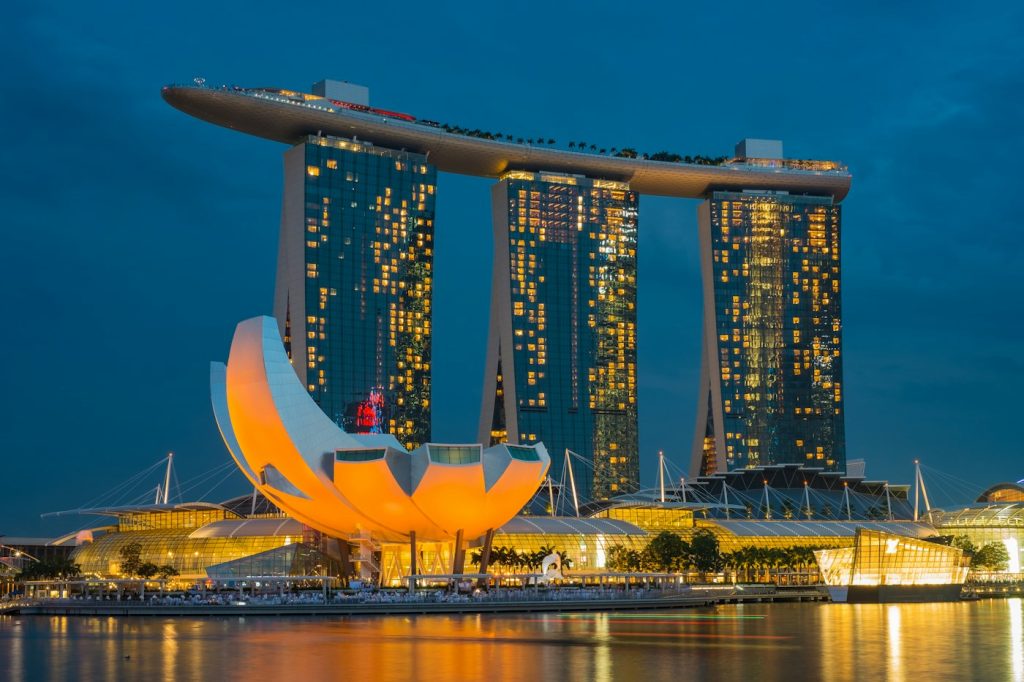
Singapore is generally a good choice for solo female travelers who want an independent city break with a useful public transport network and plenty to do alone. The practical preparation goes beyond street safety: heat, the last train, the route from the station, and recognizing an official message or website all affect how comfortably the trip works.
Australia’s Singapore travel guidance describes violent crime against tourists as rare while warning that theft and scams still occur. A reassuring reputation should make the trip easier to enjoy, rather than remove ordinary precautions. This guide’s practical information was checked on October 22, 2026.
Singapore safety at a glance
| Category | Editorial score | Main concern |
|---|---|---|
| Personal safety | 9/10 | Low violent-crime risk; stay alert to scams |
| Transport | 9.5/10 | Excellent links; trains do not run all night |
| Night-time safety | 9/10 | Urban routes differ from isolated nature trails |
| Tourist infrastructure | 9.5/10 | Strong visitor services and connected accommodation |
| Solo-travel ease | 9.5/10 | Heat, rain, and payment backups are main practicalities |
| Overall | 9.3/10 | A straightforward first solo city destination |
Lush Nomad editorial scores for a typical sightseeing trip, not official safety statistics or a guarantee. Overall is the average of the five categories; outdoor risks require a separate assessment.
Choose a connected room rather than the cheapest pin on the map
For a first visit, compare accommodation with the MRT stations and activities you will use most. Check the actual exit and walk to the entrance; being close to a station on a booking map does not explain steps, road crossings, or the route with luggage in heavy rain.
A private room, capsule bed, and hostel dorm offer different levels of privacy and storage. Read the room description carefully, including bathroom arrangements and whether the sleeping area is mixed or female-only. Check reception hours and a contact for a late arrival rather than assuming every property operates like a large hotel.
Our Singapore accommodation guide covers the deeper neighborhood choice. Here, the safety decision is narrower: can you complete the arrival, secure belongings, and reach the room comfortably after an evening out?
If company matters, choose an organized activity that interests you rather than expecting a budget property to produce a social circle automatically. You can spend a museum day alone and book a small-group food outing the next evening. That remains a solo trip.
Safe after dark does not mean the MRT runs all night
A night walk or late meal can be a reasonable part of a Singapore visit, but check the transport for the time you expect to leave. Use the Land Transport Authority’s journey information and current operator details for the last useful service, station exit, and final connection.
Save an alternative before going out. If the train no longer suits the plan, arrange a licensed taxi or properly booked ride, confirm the vehicle details, and keep the destination available offline. Waiting until the station is closed is a less pleasant time to discover that an app needs setup or a payment card update.
In a public discussion about women exploring Singapore at night, the original visitor wanted the freedom to spend an evening outside alone. Reassuring replies also stressed ordinary awareness; the visitor ultimately distinguished lit urban areas from a nighttime walk near railway tracks. That is a useful separation between enjoying the city’s evening life and treating every open outdoor place as equally suitable.
Choose the particular route, with lighting, other people, and your own energy in mind. If an interaction feels wrong, head toward a staffed hotel, shop, or venue and ask for help. You do not need to remain polite at the expense of leaving.
Let the heat decide the pace of a walking day
An itinerary can look compact and still involve long exposed walks, station changes, and time outside waiting for an attraction. Carry water, use sun protection, and leave space for indoor breaks. Put less emphasis on finishing a checklist when the weather or fatigue changes what feels manageable.
Keep a small umbrella or rain layer and use sheltered alternatives during heavy rain. Follow local weather warnings and park or attraction notices. A paid reservation is not an instruction to remain outdoors in unsuitable conditions.
For a park or nature outing, check the actual opening rules, route, and return transport. A location appearing in a list of things open late is not an assessment of its suitability for a solo nighttime visit. Choose an organized outing or a daytime visit when that better matches your experience.
Our existing Singapore itinerary helps organize the sights. Keep the schedule flexible enough to change the order, eat nearby, or return to the room rather than adding another cross-island journey solely to complete the list.
Check the official arrival-card site before sharing your details
The Immigration & Checkpoints Authority explains the SG Arrival Card: submission is free, and travelers who need it submit within three days including the day of arrival. ICA lists exceptions, including airside transit without immigration clearance. The arrival card is not a visa; read the requirements for your own situation.
Use ICA’s official site or its MyICA app rather than a search advertisement offering to submit the form for a fee. Check the domain before entering personal details. If unsure, return to the official agency page rather than following a message that creates urgency about a supposed immigration problem.
This is particularly relevant when traveling alone because a surprising call or text can feel difficult to assess without someone beside you. Pause, verify independently, and ask accommodation staff for practical help when needed. An urgent tone is not evidence that the sender is genuine.
A familiar-looking message can still be a scam
The Singapore Police’s scam guidance warns about government impersonation. Officials will not ask over a call for money transfers, bank login details, or installation of apps from unofficial stores. Do not trust a caller merely because they know some of your personal information.
End the conversation and verify through the agency’s independently located official contact. Avoid sharing a verification code or making a transfer to resolve a claimed problem. The police list 1799, the ScamShield Helpline, for checking a suspected scam; it is separate from emergency police assistance.
Offline, keep the usual short routine: a closed bag on public transport, a phone away from the edge of a café table, and a backup payment method separate from the everyday wallet. The travel safety tips for women cover the preparations that apply across destinations.
Keep meals and evenings uncomplicated
Eating alone can be one of the easier parts of a Singapore visit. Choose somewhere you want to eat and keep belongings close while collecting or paying for food. The Singapore food guide covers the wider choices without needing to repeat a full dining itinerary here.
For a bar or social outing, keep control of your drink and the return journey. A friendly introduction does not require changing venues, sharing a room number, or accepting someone else’s lift. Seek staff assistance if you feel unexpectedly unwell or someone ignores a refusal.
Save the emergency number that matches the help needed
The Singapore Police list 999 for emergency police assistance. 995 is the emergency ambulance and fire number, also listed in the official travel guidance. Keep the accommodation address, insurer contacts, and bank assistance details available offline with the international travel checklist.
A comfortable first Singapore trip leaves you with choices after arrival: another gallery, a late meal, or an early return when the heat has taken enough of the day. A connected room and a transport backup give those choices practical support.