
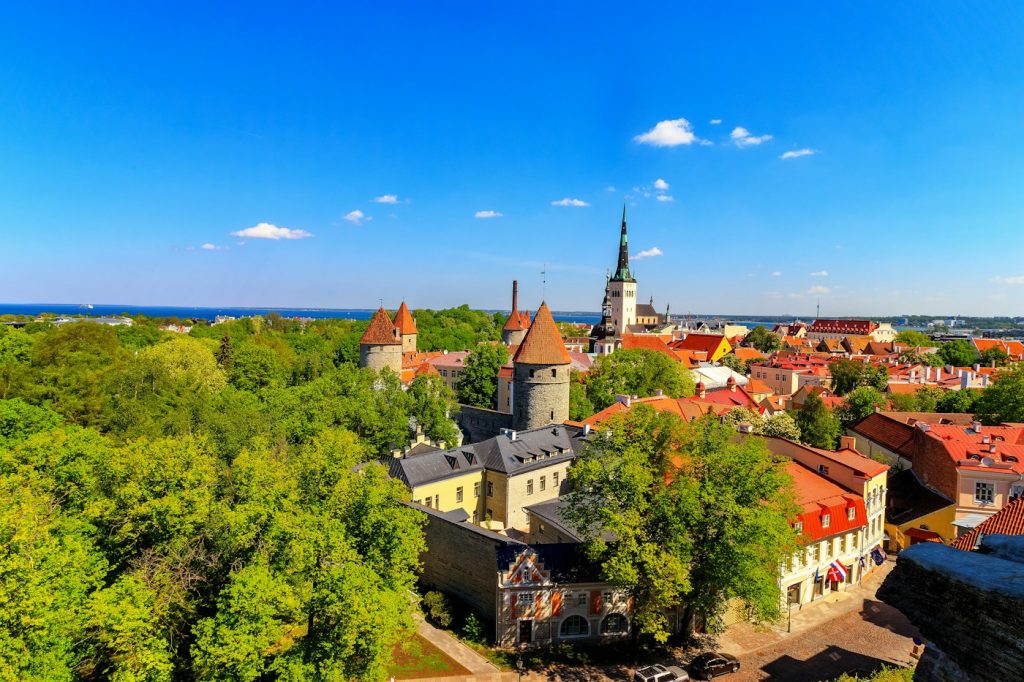
Estonia is generally a practical choice for solo female travelers, especially for a visit built around Tallinn and another well-connected city. A compact capital can make the first independent days feel manageable. The more useful questions concern the season and the exact plan: a winter evening on cobbles, a ferry connection, and a remote nature excursion need different preparation.
This guide treats Tallinn as a useful starting point without assuming that the whole country works like its Old Town. Transport and official guidance were checked on October 22, 2026. Read current Estonia travel advice again before departure, and use live operator information for the journeys you book.
Estonia safety at a glance
| Category | Editorial score | Main concern |
|---|---|---|
| Personal safety | 8.5/10 | Use normal precautions on unfamiliar routes |
| Transport | 8/10 | Visitor ticket rules differ from residents’ benefits |
| Night-time safety | 8/10 | Winter darkness and slippery surfaces need care |
| Tourist infrastructure | 8.5/10 | Tallinn offers a practical sightseeing base |
| Solo-travel ease | 8.5/10 | Remote nature stays need extra planning |
| Overall | 8.3/10 | An approachable Tallinn-led visit |
Lush Nomad editorial scores for a typical sightseeing trip, not official safety statistics or a guarantee. Overall is the average of the five categories; outdoor risks require a separate assessment.
In Tallinn, the last few streets can matter more than the neighborhood label
An Old Town room can make sightseeing convenient, but check the actual entrance before booking. Cobblestones, steps, gradients, and vehicle access affect arrival with luggage. Ask the property where a car can stop and how far you will need to walk, particularly for an evening arrival in winter.
Compare a central historic room with a property near a useful transport connection. One may offer more character; the other may simplify the journey after dinner. Neither choice settles the safety question by itself. Recent comments about access, staff availability, and nighttime noise help assess the room you are actually buying.
For self-check-in, download instructions and confirm whom to contact if the code or key box fails. In a hostel, check lockers, reception hours, and room arrangements. If you prefer a female dorm, reserve that room type explicitly and check the confirmation rather than relying on a general photograph.
The best first-night plan is small: reach the room, find dinner nearby, and learn the morning route. A late arrival does not need to become a first attempt at seeing every viewpoint.
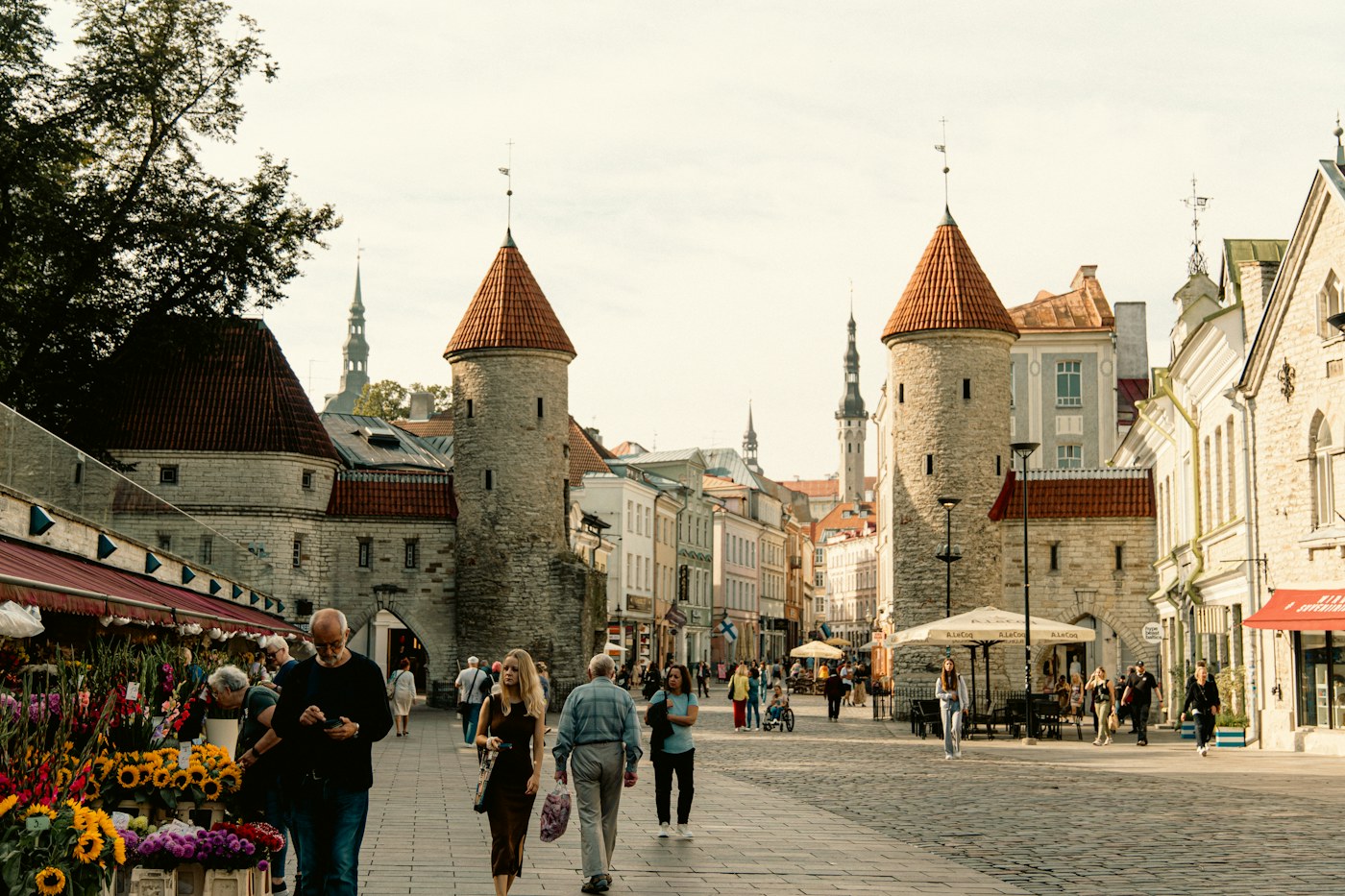
Visitors should not assume Tallinn transport is free
Tallinn’s reputation for free public transport can be misleading for a visitor. The city’s transport information distinguishes residents’ entitlements from the valid ticket or travel right needed by other passengers. Check the product that applies to you before boarding.
The city instructs passengers to validate when entering each vehicle, with no validation needed on exit. Its ticket information explains payment options and notes that drivers do not sell tickets. Set up the chosen card or ticket method in advance rather than expecting to buy a paper ticket from the driver with cash.
For an airport arrival, Tallinn Airport lists current tram and bus connections. Check which service reaches your actual accommodation, the direction of travel, and the final walk. Construction and route changes are reasons to use the current information rather than an old airport-transfer blog.
Keep a backup payment method and enough battery for the arrival. Save the property address and entrance offline. A Google Maps trip list can hold the places you need, while the official route planner supplies the departure you can use.
Winter changes the day before it changes the packing list
A winter Tallinn visit should be planned around daylight, footing, and opportunities to warm up. Put the walk you most want to do into the useful daylight hours, then choose a museum, café, or other indoor activity for a later part of the day. A schedule copied from a long summer evening may need substantial rearranging.
Wear footwear with suitable grip and allow more time on wet or icy surfaces. If a staircase or steep cobbled street feels unsuitable, choose a different route. The shortest line on a navigation app is not a recommendation about the ground beneath it.
In a public discussion started by a shy woman planning an Estonia trip, practical concerns included asking for directions, reaching nature, and staying close to groceries. Some respondents encouraged asking for help directly rather than waiting for someone to notice uncertainty. A useful preparation is saving the question, address, or destination on your phone so you can show it to a staff member. If eating alone feels like the bigger hurdle, a room with cooking facilities and a nearby shop can offer a comfortable alternative. Check that access before choosing a quiet property far from town.
Do not mistake early darkness for a requirement to stop enjoying the city. Make the evening more specific: a meal, an event, and a return route you understand. Keep a properly arranged ride as an alternative if conditions or your energy change.
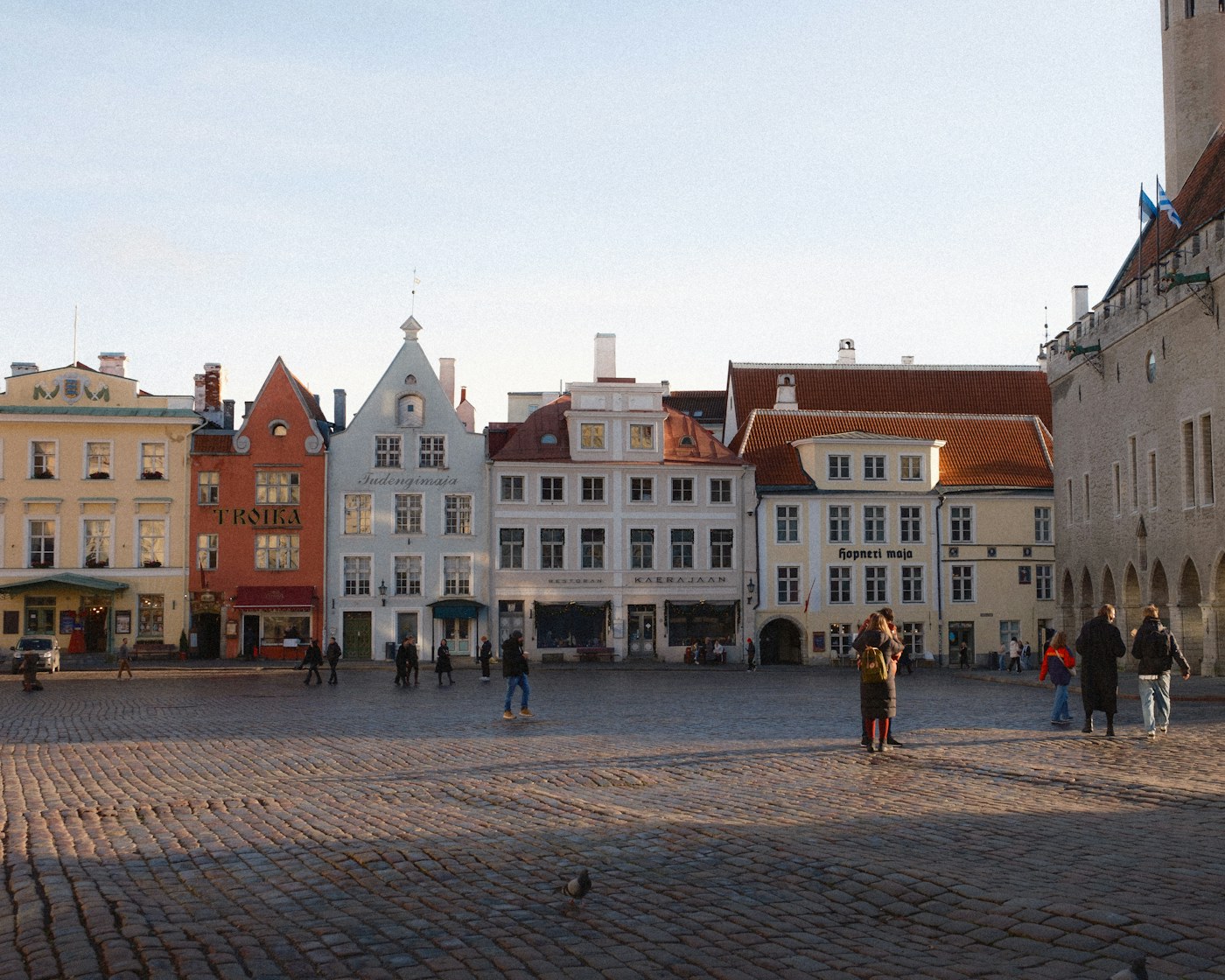
Is Tallinn safe for a woman walking alone at night?
A central evening outing can be a reasonable part of the visit, with the same need to assess the route and time as elsewhere. Use populated main streets where practical, and avoid an unfamiliar shortcut through a quiet park or passage simply to shorten the walk. Check the final stop and doorway before leaving a venue.
If someone is persistent or makes you uncomfortable, move toward staff or other people and ask for help. Keep your drink with you, retain a way to leave independently, and avoid sharing accommodation details just because a conversation has been pleasant.
Keep the bag closed in crowds and essential cards separate. At a café, place belongings where you remain in contact with them rather than on an empty chair. Our travel safety tips for women cover those reusable habits without requiring a new system for every destination.
A city-to-city trip is different from a countryside stay
For a visit combining Tallinn and another city, verify the train or coach connection for the actual travel date, then check the onward route to the room. Give the second base enough time to justify packing up. Our multi-city planning guide helps count that transfer honestly.
For a remote cabin, ask about food, pickup arrangements, reception hours, and what happens if the arrival is delayed. A quiet property can be a deliberate pleasure, but it should not leave you relying on an unconfirmed ride to buy dinner.
Nature excursions need a separate assessment. Choose a route appropriate to your experience, check conditions and access, and use a qualified guide for unfamiliar remote activities. Do not assume a clear boardwalk photograph explains the whole route, its maintenance, or the return journey.
Carry suitable layers, navigation, water, food, and a charged phone for the outing, and tell a trusted person the route and expected return. Check insurance for planned activities. A reassuring answer about city crime does not settle the requirements for walking alone in an unfamiliar landscape.
Save one emergency number and the details that make it useful
The official emergency guidance lists 112 for ambulance, fire, and police assistance in Estonia. Be able to give your location clearly. Keep the accommodation, insurer, and bank contacts available offline and separately from the everyday wallet.
Use the international travel checklist for those departure preparations. Estonia can suit a first solo trip with room to settle in: a connected Tallinn stay, a city outing chosen for the weather, and a countryside day arranged for your actual experience rather than the confidence of the person in the photograph.