
Norway is generally a sensible destination for solo female travelers, but the answer changes when the itinerary leaves the city and heads into the mountains. An Oslo museum day, a Bergen harbor stay, and an exposed ridge walk are different undertakings. Choose the trip by the level of planning and outdoor experience it requires, rather than by the country’s reassuring reputation alone.
The U.S. State Department lists Norway at Level 1, exercise normal precautions, as checked on October 22, 2026. Its guidance still highlights belongings in busy places and natural hazards. For a first solo visit, a well-connected base and a few selected excursions can offer more freedom than a route that depends on everything running perfectly.
Norway safety at a glance
| Category | Editorial score | Main concern |
|---|---|---|
| Personal safety | 9/10 | Normal theft precautions at stations and sights |
| Transport | 8/10 | Remote stays require confirmed connections |
| Night-time safety | 8.5/10 | Darkness and weather affect the journey home |
| Tourist infrastructure | 8.5/10 | Strong on established visitor routes |
| Solo-travel ease | 8/10 | Mountain trips need more preparation than city stays |
| Overall | 8.4/10 | Good with realistic outdoor and transport plans |
Lush Nomad editorial scores for a typical sightseeing trip, not official safety statistics or a guarantee. Overall is the average of the five categories; outdoor risks require a separate assessment.
Decide whether the trip is about cities, fjords, or walking
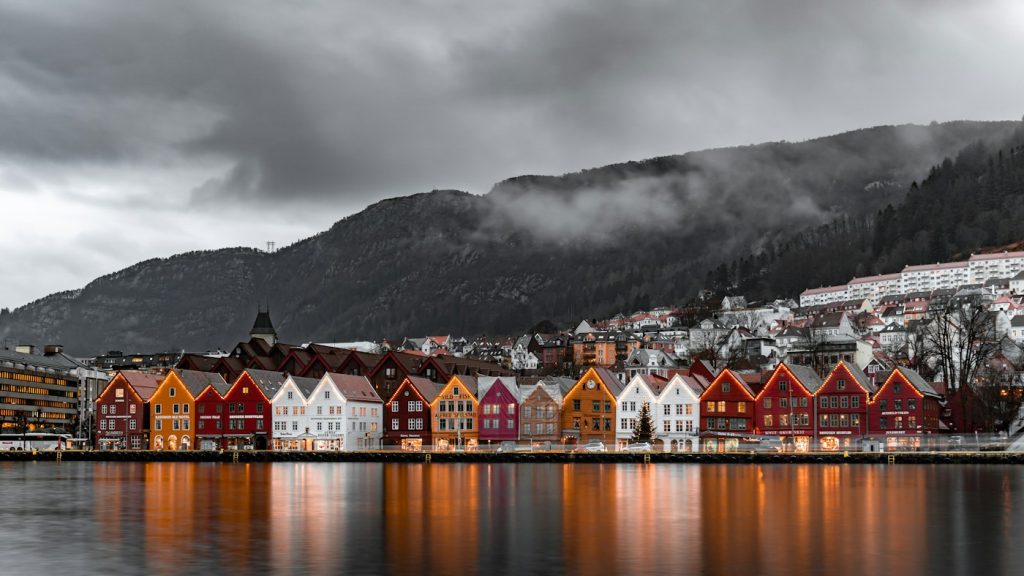
Oslo suits a visit built around museums, waterfront neighborhoods, and public transport. Bergen can suit a harbor-based stay with planned fjord excursions. A village chosen for hiking needs a more detailed check: food, transport, weather alternatives, and the distance from the stop to the room.
Start with the activity you most want, then work backward to the base. If a guided trip leaves early from Bergen, a distant cabin may add a transfer you do not want before breakfast. If walking is the purpose, a city hotel can mean repeatedly spending hours reaching the start of the day.
Read the property’s arrival instructions and recent reviews about access, staffing, and noise. Confirm who will answer if a late check-in fails. An inexpensive room is useful only when reaching it remains manageable after the bus or boat has finished.
In a public discussion about women visiting Norway alone, reassuring travel experiences sit alongside strong warnings about being unprepared outdoors. That distinction is worth keeping. Feeling comfortable in town does not establish that a mountain route fits your skills.
Norway without a car works best as a route, not a wish list
Visit Norway’s transport guide recommends Entur, the national journey planner, for trains, buses, and boats. Use it to connect actual addresses and departure times before paying for a series of rooms. Remote areas require more detailed planning than the main city connections.
Search the return as carefully as the outward journey. A morning bus reaching a trailhead does not promise a useful service after your walk. Check the distance from the stop, any ferry connection, and whether the timetable changes outside the main visitor season.
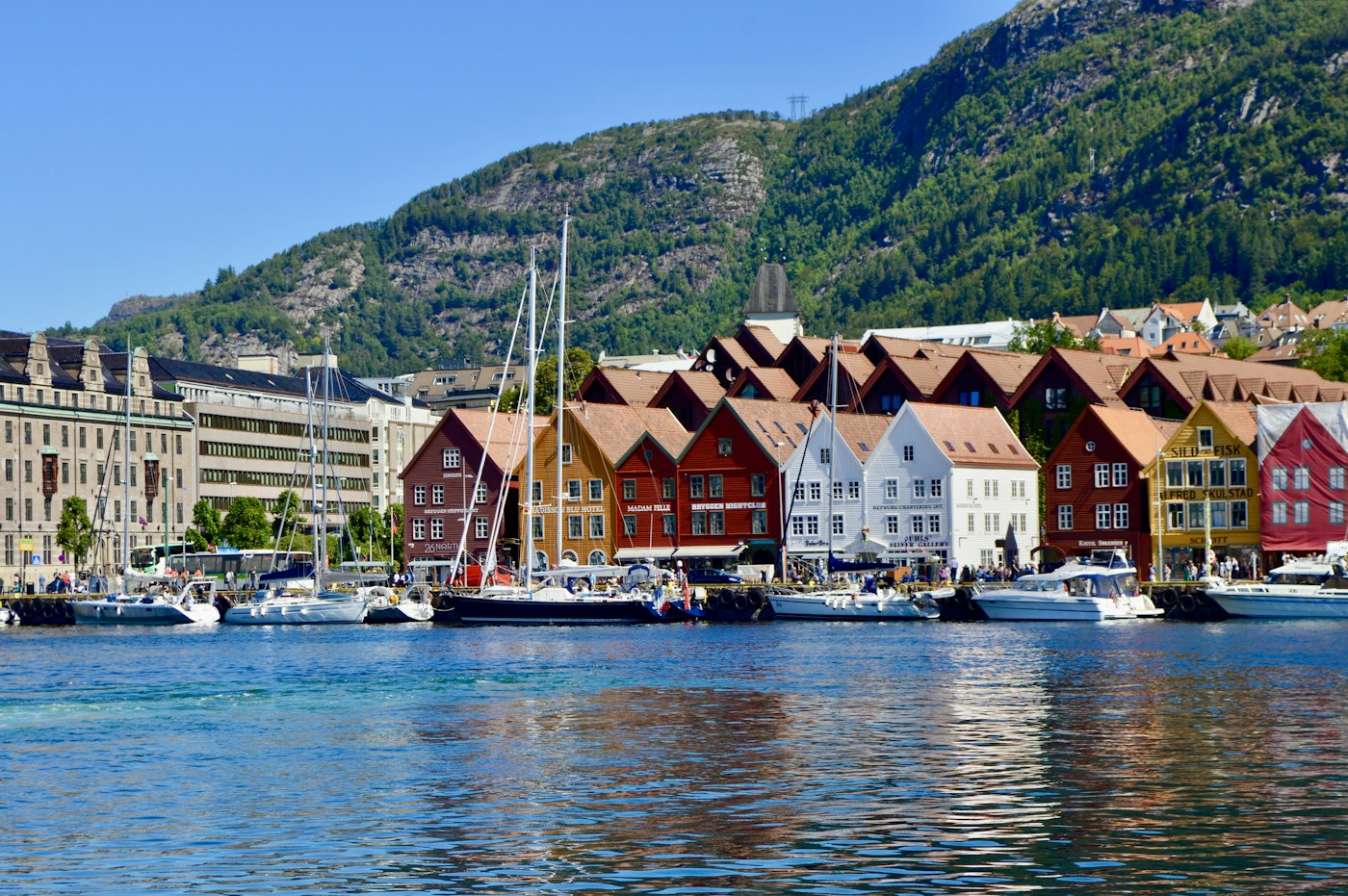
For an excursion, distinguish a sightseeing boat that returns to its departure point from transport that leaves you at another harbor. Read the booking’s finish location and luggage arrangements. A fjord is not a single meeting point, however neatly it appears on a promotional map.
Leave time around connections and avoid changing bases every night. Our multi-city planning guide helps account for the less scenic part of travel: checking out, finding the platform, and locating the next entrance.
If you prefer driving, assess the season and roads before reserving. A car adds flexibility but also leaves you responsible for unfamiliar conditions, parking, and navigation. There is no requirement to drive simply because a photograph was taken beside a scenic road.
Read the mountain code before choosing the famous hike
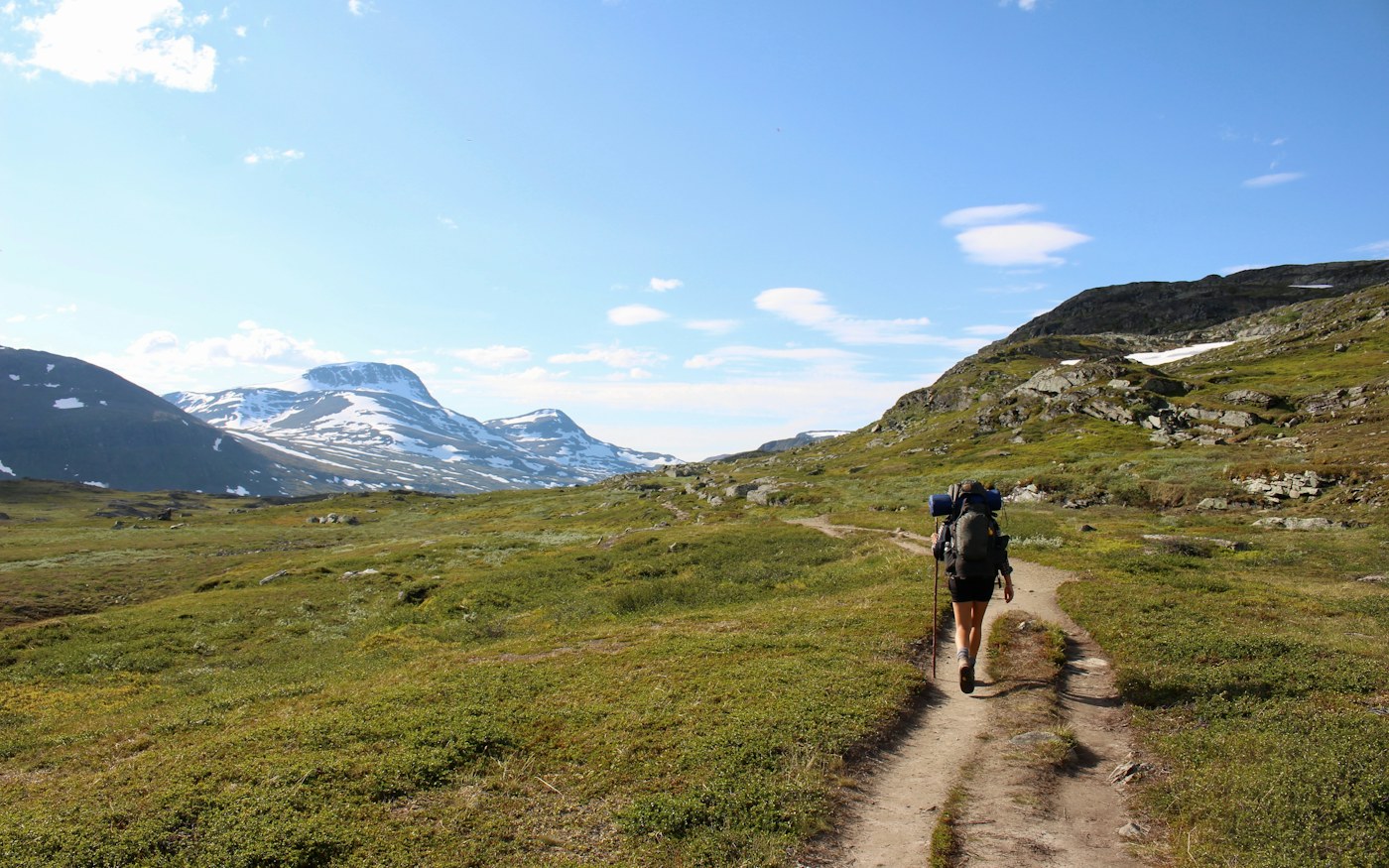
Norway’s official mountain safety guidance asks hikers to plan and tell someone their route, adapt to ability and conditions, check forecasts and avalanche information, carry suitable equipment, and turn back when necessary. It identifies popular routes such as Trolltunga, Besseggen, and Romsdalseggen as demanding outings for fit, experienced hikers.
Begin with the route description, not the popularity of the viewpoint. Check total distance, elevation, exposure, terrain, expected duration, and how the return works. A trail that is busy in summer may feel entirely different in another month.
For an unfamiliar or challenging route, choose a qualified guide. Ask about the required fitness, equipment, meeting time, and cancellation arrangements. A guided day can be the most independent decision if it gives you the knowledge and support needed for the activity you actually want.
Carry appropriate navigation and know how to use it. Keep waterproof and warm layers, food, water, a charged phone, and a power reserve appropriate to the outing. Mobile reception can be limited in the mountains, so the emergency plan cannot consist entirely of opening an app.
Tell someone where you are going and when to expect a message. Turn back early if weather, footing, visibility, or energy no longer suits the plan. Reaching the viewpoint is optional; getting back is part of the booking even when nobody issued a ticket.
Keep a separate plan for evenings in town
A meal, concert, or sauna session can fit easily into a solo city stay. Check the return connection before leaving the room, including the walk from the stop. Choose populated main routes, and arrange a licensed ride if the late journey becomes awkward.
Keep control of your drink and your own way to leave. If a new acquaintance is persistent or makes you uncomfortable, move toward venue staff or other passengers and ask for help. A country’s low-crime reputation does not require you to stay in an interaction you dislike.
At busy stations and on transport, keep valuables in the bag that remains with you. Avoid leaving a phone on a café table or an open wallet on a suitcase while checking directions. Our travel safety tips for women cover the habits that transfer between countries.
The budget should include the ability to change your mind
Traveling alone means paying the whole private-room or unexpected taxi bill. Preserve a contingency for a missed connection, another night, or a change from an outdoor excursion to an indoor day. A plan that is affordable only if nothing changes can make a small inconvenience unnecessarily stressful.
Before booking several dependent activities, read the change and cancellation conditions. Check whether travel insurance covers the particular outdoor activities and any rescue or evacuation costs. Do not infer cover from an advertisement that merely mentions “adventure.”
For company, select a walk, food tour, or excursion with a defined start and finish. You can enjoy a shared activity and spend the next day alone; the two travel styles do not cancel each other. Our solo travel planning guide can help build a pace that leaves those choices open.
Save the correct emergency contacts
Visit Norway lists 112 for police, 113 for an ambulance, and 110 for fire. Save these alongside the room address, insurer assistance details, and the operator’s contact for any excursion. Give your location clearly and follow the emergency service’s instructions.
Keep essential details offline with the international travel checklist. Norway can be a rewarding solo trip when the plan fits the season and your experience: a harbor afternoon, a rail journey, or a guided walk chosen for the conditions, with enough room to do something else when those conditions change.