
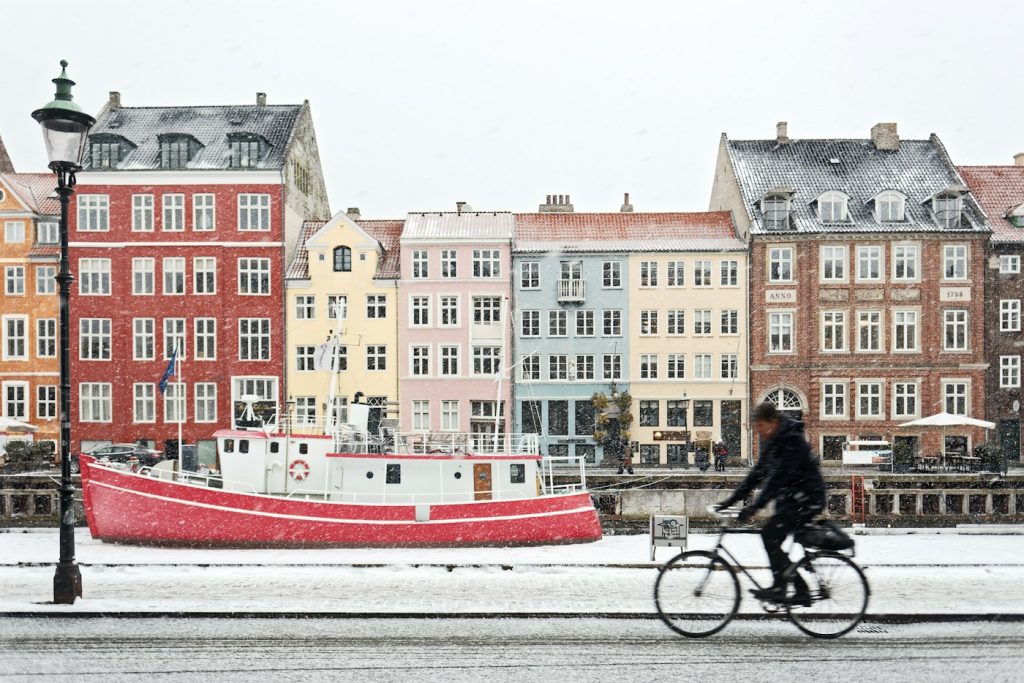
Denmark is generally a practical destination for solo female travelers, especially if you want a first city break that works on foot and public transport. Copenhagen offers museums, harbor walks, and meals alone without requiring a rental car. The preparation that matters is surprisingly ordinary: understand the bike lanes, choose a convenient room, and keep an independent way home after an evening out.
There is also a distinction between everyday travel ease and national security advice. The U.S. State Department lists Denmark at Level 2, exercise increased caution, because of terrorism. That advisory should be read alongside current local instructions; a comfortable sightseeing experience does not cancel it. Information below was reviewed on October 22, 2026.
Denmark safety at a glance
| Category | Editorial score | Main concern |
|---|---|---|
| Personal safety | 8.5/10 | Theft precautions and current security advice matter |
| Transport | 9/10 | Reliable city links; learn ticket and bike-lane rules |
| Night-time safety | 8/10 | Plan the last connection and route home |
| Tourist infrastructure | 9/10 | Strong airport links and visitor services |
| Solo-travel ease | 9/10 | Easy without a car; cycling needs local knowledge |
| Overall | 8.7/10 | An approachable first solo city break |
Lush Nomad editorial scores for a typical sightseeing trip, not official safety statistics or a guarantee. Overall is the average of the five categories; outdoor risks require a separate assessment.
Start with the Copenhagen stay you will actually use
For a short visit, compare accommodation with the museum, restaurant, and transport connections you expect to use. A room near a useful station can be more convenient than an address selected solely because it appears beside a famous canal.
Check the entrance and the walk from the stop in street-level photographs. Ask about reception hours, late arrival, luggage storage, and the contact for a failed door code. In a hostel, look for secure lockers and shared spaces that suit the kind of company you want. A quiet private room and one social activity can be a better fit than sleeping above the evening’s entertainment.
The price matters, but so does the cost of reaching the room. Keep money available for a properly arranged ride if the final walk becomes inconvenient. Our hostel versus hotel guide can help compare the features behind the nightly rate.
For a first trip, one base is enough to establish a routine: learn the nearest stop, find somewhere for breakfast, and work out how to return after dinner. There is no award for changing hotels before you have learned which door is yours.
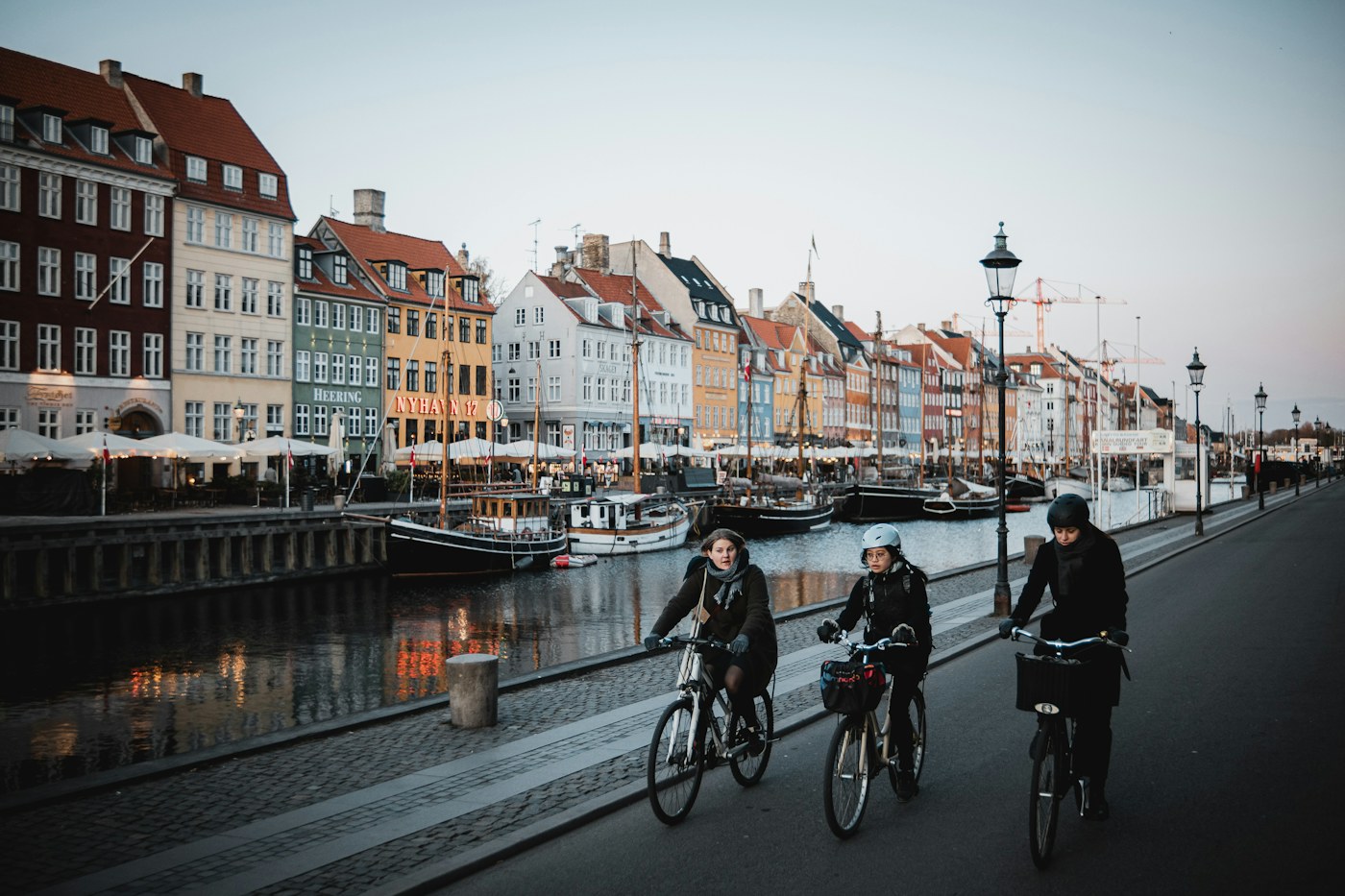
Bike lanes are transport space, not extra pavement
Cycling can be an enjoyable way to see Copenhagen, but renting a bicycle is optional. If you are unfamiliar with riding in city traffic, walk or use public transport until the street layout feels understandable. Confidence on a quiet holiday path is different from handling a busy junction with commuters behind you.
The City of Copenhagen’s cycling rules explain the essentials: use the cycle lane, keep right, signal before stopping or turning, and look behind before overtaking. Cyclists make a left turn in two stages rather than cutting directly across the intersection. Lights are required after dark.
As a pedestrian, look for the cycle track before stepping off the pavement, crossing to a bus, or pausing for a photograph. Stop somewhere fully out of moving traffic when checking navigation. The camera can wait; the bicycle approaching from behind cannot read the itinerary.
If hiring a bike, check the brakes, lights, lock, and rental conditions before setting off. Start on a route you can manage and leave an alternative for wind or rain. An e-bike or scooter adds speed without automatically adding local road knowledge.
Airport arrivals are manageable without improvising
Copenhagen Airport’s metro information places the station at the end of Terminal 3 and describes daytime and nighttime service. Check the journey to your exact accommodation, including any change and the last walk, rather than choosing a service simply because it goes to “the center.”
Buy the appropriate ticket before the journey and read the zone requirements. Keep the ticket and payment method accessible without exposing the rest of your wallet. If arriving late, confirm your property’s check-in arrangements before deciding whether public transport or a direct car is more convenient.
The airport connection is only one part of the night plan. A metro arrival near a busy square does not establish that every street beyond it will feel equally comfortable. Save the entrance and contact number offline, and use a booked, identifiable ride when that is the more manageable option.
For travel beyond Copenhagen, verify the actual train or bus connection for the date. Aarhus, Odense, and smaller coastal places offer different visits; include the transfer and arrival time before committing to a second base. Our multi-city trip guide helps keep those travel days realistic.
Is Denmark safe for women walking alone at night?
In Copenhagen, an evening meal or event can fit comfortably into a solo visit. Choose the specific route back while you still have battery, a clear head, and the option to ask venue staff for help. Use lit main streets and avoid an unfamiliar shortcut through a quiet area merely to save a few minutes.
A public Copenhagen discussion among solo visitors and residents contains both reassuring experiences and disagreement about particular streets after dark. It is useful evidence of the questions women ask, rather than a reliable neighborhood crime map. The practical response is to assess your own doorway, time, and route.
At a bar, keep your drink with you and retain a way to leave independently. Seek staff help if someone persists after a refusal or you feel unexpectedly unwell. Clothing, politeness, or having accepted a conversation never makes someone responsible for another person’s harassment or assault.

Keep theft precautions light and repeatable
Visit Copenhagen’s practical information warns about pickpockets in crowds, on public transport, and around major stations and shopping streets. A low-stress response is a zipped bag kept close, a phone away from café-table edges, and a backup card stored separately.
Keep luggage within sight while boarding or studying a departure board. If someone offers unsolicited help at a ticket machine, secure your belongings before responding; ask identifiable staff when you need assistance. Do not take risks to protect a replaceable item.
Use our travel safety tips for women for the preparations that carry between destinations. The aim is to build a short routine, not spend a museum visit repeatedly inventorying the bag.
Make room for company without depending on it
A walking tour, workshop, or organized hostel activity can give a day a social center. Check its meeting point and finish time, and choose something you would enjoy even if the conversation stays brief. Eating alone can be as straightforward as choosing a café, food hall, or restaurant you actually want to try.
Denmark can also suit someone who prefers a quieter pace. A reserved interaction is not automatically an unfriendly one. Ask a specific practical question when you need help, and avoid measuring a successful solo trip by how many new contacts it produces.
Save the right numbers before departure
The Danish police list 112 for emergencies. For non-emergency police assistance, Visit Copenhagen lists 114. Its local practical information also explains 1813 for urgent, non-life-threatening medical advice in the Copenhagen area; follow the service’s instructions rather than arriving at an emergency department without checking.
Keep your accommodation and insurer contacts offline with the international travel checklist. Once the return journey and basic arrangements are settled, Copenhagen can be a place to linger: another gallery room, a harbor walk, or dinner at a time chosen entirely by you.