
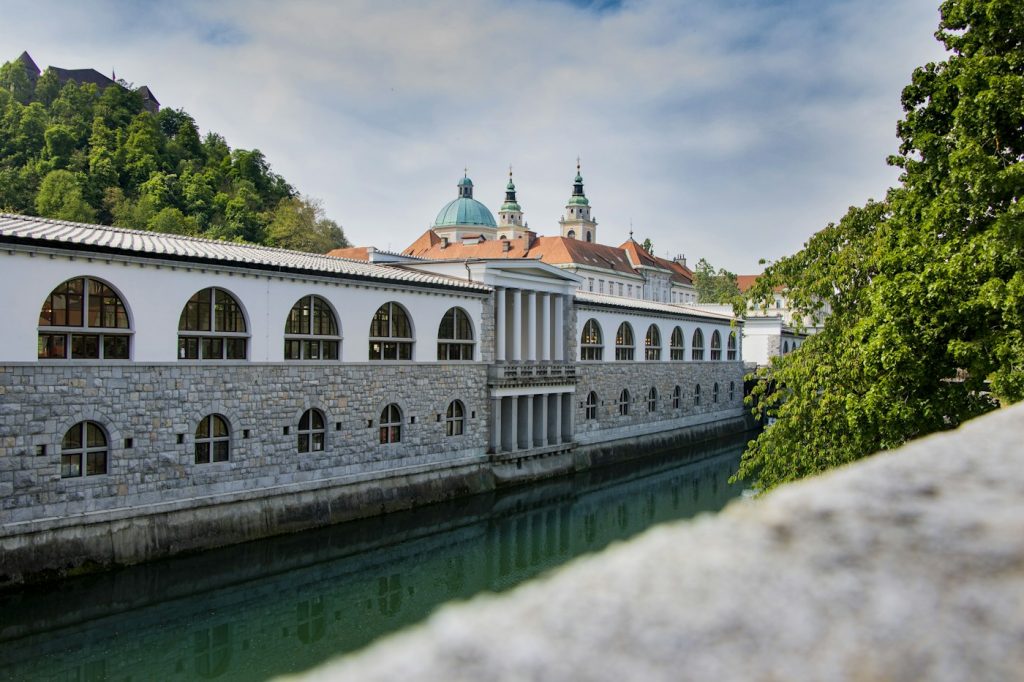
Yes, Slovenia is generally a good choice for solo female travelers, particularly for a trip combining Ljubljana with a manageable stay near the lakes. Its compact geography is appealing, but a short distance on the map does not make an Alpine hike easy or guarantee a bus back after dinner. The useful distinction is between exploring a small capital alone and heading into mountain terrain alone.
This guide focuses on those decisions: where to sleep, how to connect the places you want to see, and when company or a guide improves the day. Practical information was checked on October 22, 2026. Check current official notices again before departure, especially for transport works and outdoor access.
Slovenia safety at a glance
| Category | Editorial score | Main concern |
|---|---|---|
| Personal safety | 8.5/10 | Keep belongings secure in crowded areas |
| Transport | 8/10 | Check temporary stops and last return services |
| Night-time safety | 8/10 | Quiet paths and the final walk need care |
| Tourist infrastructure | 8.5/10 | Good city bases; confirm access outside Ljubljana |
| Solo-travel ease | 8.5/10 | City breaks are easier than independent mountain trips |
| Overall | 8.3/10 | Good for a city-led trip with planned outdoor days |
Lush Nomad editorial scores for a typical sightseeing trip, not official safety statistics or a guarantee. Overall is the average of the five categories; outdoor risks require a separate assessment.
Ljubljana is an easy beginning; the lakes deserve their own plan
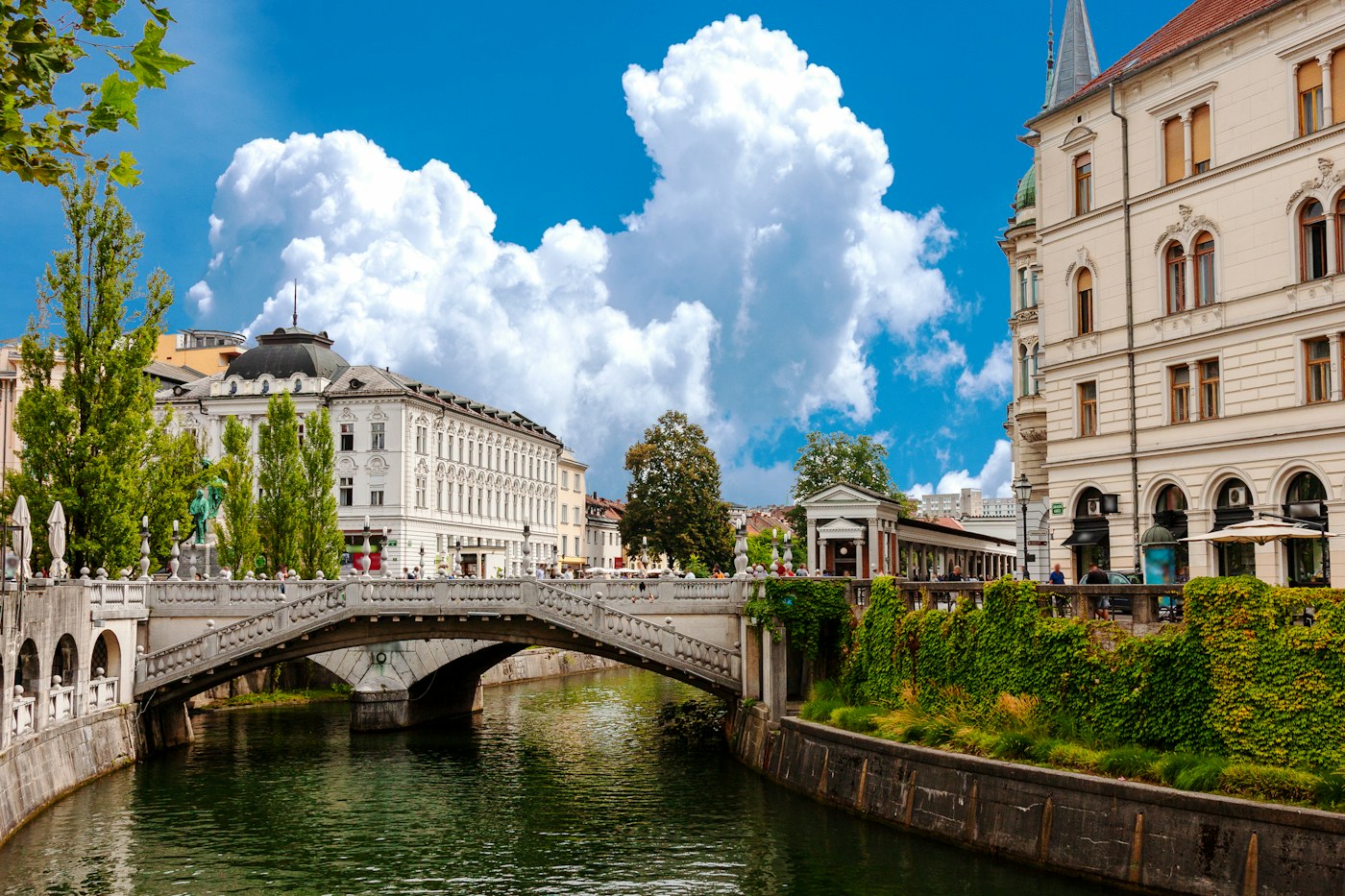
For a first solo visit, start with a few nights in Ljubljana rather than trying to turn every day into a different departure. The riverside center, bridges, cafés, and castle give a day a clear shape. Choose accommodation by its actual entrance and the route from your arrival stop, including any stairs and late check-in arrangements.
Staying in the center can make an evening meal simple. Staying farther out can work equally well if the last connection and final walk are clear. Neither a pretty street nor a district name is a safety guarantee; recent guest comments about reception, noise, and access are more useful than a generic “solo-friendly” label.
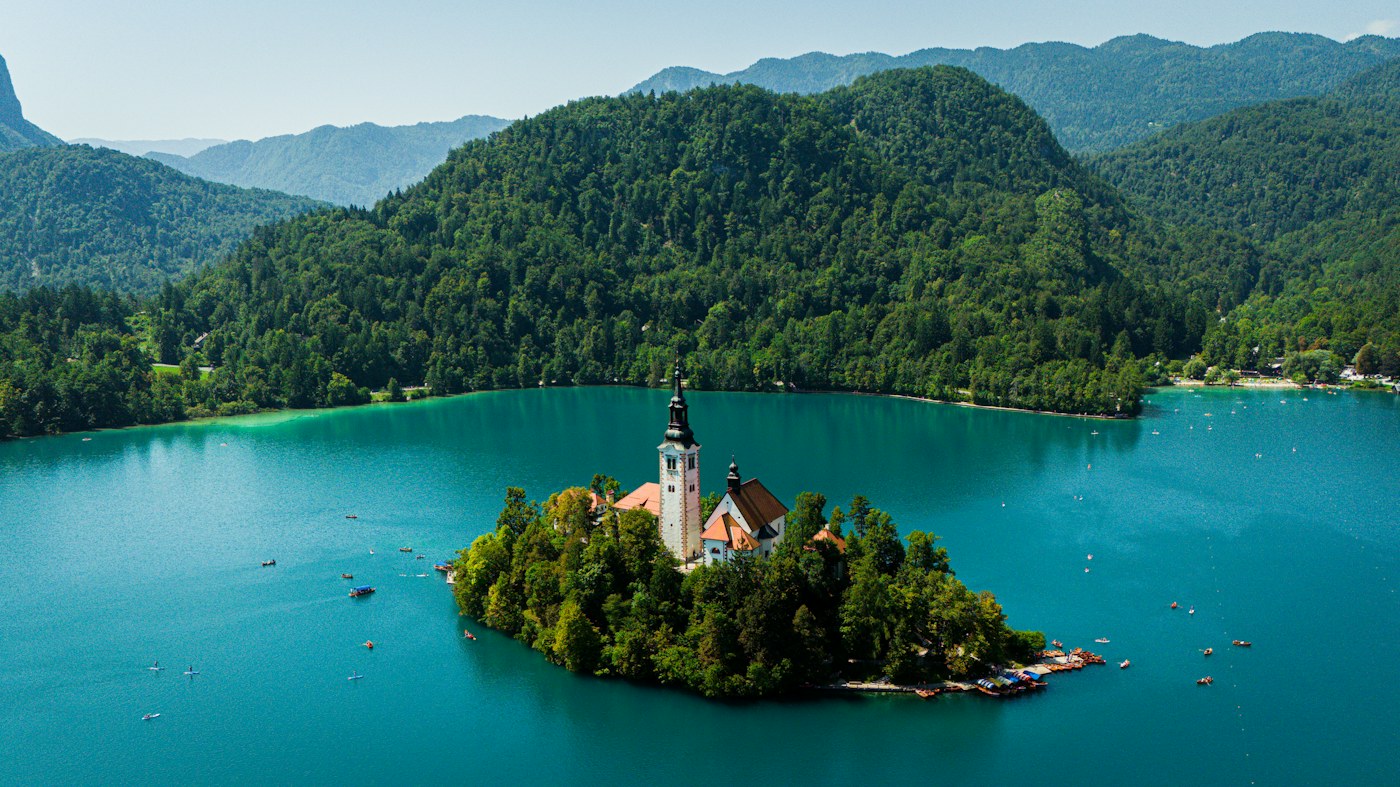
If the main purpose is hiking around Bled and Bohinj, compare an overnight stay near those activities. In a public discussion about a first solo trip through Slovenia, respondents suggested staying near the lakes rather than repeatedly driving back to Ljubljana. That is an itinerary tradeoff, not a universal rule: a day trip avoids moving luggage, while a local base gives more room for an early start or changed weather.
Our multi-city trip planning guide helps count the transfers honestly. A small country can still produce a vacation spent checking out.
Check the departure point, not just the timetable
You do not need a car for a Ljubljana stay and selected excursions. Before booking an out-of-town room, search the outward and return journeys for your exact dates, then check the distance from the stop to the property. A lakefront address and a convenient bus connection are separate booking features.
There is a current detail worth catching: Slovenia’s official practical information describes a temporary Ljubljana bus station east of the railway station along Masarykova Street during construction. Follow the station’s current boarding information rather than an old screenshot of a platform. Arrive with enough time to locate the right departure without balancing an open wallet and a suitcase in a rush.
For an airport arrival, arrange the full journey to the room before flying. If choosing a shuttle or taxi, confirm the operator, pickup point, fare arrangement, and late-arrival procedure. Keep a separate payment backup and the lodging address offline. An app on a phone with no battery is a very compact piece of luggage.
Use a Google Maps trip list for the accommodation, station, and meeting points, then use the operator’s information for actual departures. Maps and timetables answer different questions.
Is Slovenia safe to walk around alone at night?
An evening walk through a populated central area can be a reasonable part of the trip. Assess the particular route and time rather than extending that judgment to every park, underpass, or quiet lakeside path. Find the journey back while still inside the restaurant or venue, where staff can help if a connection is unclear.
Keep your own way to leave a social evening. A hostel event or walking tour can make meeting people easier, but an enjoyable conversation does not require accepting a lift or sharing a room number. If someone ignores a refusal, move toward staff and ask for assistance.
In crowds, zip the bag before reaching for the camera and keep a backup card separate from the wallet used every day. At cafés, keep belongings in contact with you. These habits should take seconds, leaving attention for the place itself; our broader travel safety tips for women cover the reusable preparations.
A marked mountain path can still be the wrong solo walk
The Slovenian Tourist Board’s mountain safety guide distinguishes easy, difficult, and very difficult mountain trails. It also explains that a technically easy classification does not make a walk easy for every visitor. Distance, elevation, exposure, fitness, and changing conditions still matter.
That distinction is particularly useful when a social-media photograph places a person casually beside a dramatic viewpoint. The photograph rarely shows the descent, the weather three hours later, or the equipment used to reach it. Choose the actual route before choosing the image you want to bring home.
For unfamiliar or demanding mountain terrain, book a qualified local guide. Read the route description, check the forecast and closures, and ask about the equipment and experience required. Do not treat following another hiker as a substitute for knowing where the path goes.
Tell a trusted person your route and expected return, carry suitable layers, footwear, navigation, food, water, and a charged phone, and leave enough time to turn back. For a first visit, a town walk or easier marked route can be a better independent outing than an exposed summit. Independence includes deciding that the mountain can wait.
Lake days and adventure activities need different checks
Walking by a lake, swimming, rowing, and joining a rafting trip are different activities. Select a supervised swimming area where available and avoid swimming alone. Check local warnings and access rather than assuming that calm-looking water establishes safe conditions.
For a booked adventure, ask who leads it, what equipment is provided, what happens if conditions change, and where the trip ends. Confirm whether the price includes the return transfer. Read the activity exclusions in your insurance before paying; a general sightseeing policy may not cover the particular sport or rescue costs involved.
Take only the valuables needed for a beach or water activity and use the operator’s secure storage where offered. A waterproof pouch is useful for some belongings, but it does not turn an unattended bag on shore into a watched one.
Keep a simple route to help
Slovenia’s official emergency guidance lists 112 for emergency medical assistance, fire, and rescue, including mountain rescue, and 113 for police. Give a precise location and explain what has happened. Save the accommodation address and excursion details before leaving reliable connectivity.
Keep insurer and bank contacts separately from the phone as part of the international travel checklist. If the first-trip nerves are mainly about arranging everything alone, begin with our solo travel planning guide.
Slovenia suits a trip with a little room around the edges: a café afternoon in Ljubljana, another night near the lake, or a guided mountain day chosen because the conditions fit. The reassuring answer to the safety question should make those choices easier, rather than tempt you to stop making them.