

Sweden can work well for solo female travelers who want museums, waterfront walks, and time alone without arranging a companion for every outing. Stockholm and Gothenburg offer different city stays, while an archipelago excursion adds its own timetable. For a first visit, the useful preparation is choosing a connected base and understanding the journey home, especially when daylight is short.
That practical assessment belongs alongside current official advice. The U.S. State Department lists Sweden at Level 2, exercise increased caution, because of terrorism. Read the advisory and follow local security instructions. This guide, checked on October 22, 2026, focuses on everyday decisions for a sightseeing trip rather than claiming the country is free of risk.
Sweden safety at a glance
| Category | Editorial score | Main concern |
|---|---|---|
| Personal safety | 8/10 | Secure belongings and follow security guidance |
| Transport | 9/10 | Good city transport; check tickets and last services |
| Night-time safety | 7.5/10 | Assess the final walk and seasonal darkness |
| Tourist infrastructure | 9/10 | Convenient city stays; carry payment backups |
| Solo-travel ease | 8.5/10 | Island visits need separate return planning |
| Overall | 8.4/10 | Good for a connected city stay |
Lush Nomad editorial scores for a typical sightseeing trip, not official safety statistics or a guarantee. Overall is the average of the five categories; outdoor risks require a separate assessment.
Choose the city before filling the map
Stockholm can suit a visit centered on museums, historic streets, and journeys between islands. Gothenburg can suit a tram-based city stay with access to its coastal setting. A room in either city should be selected around the connections and activities you will use, rather than a broad “best area” label.
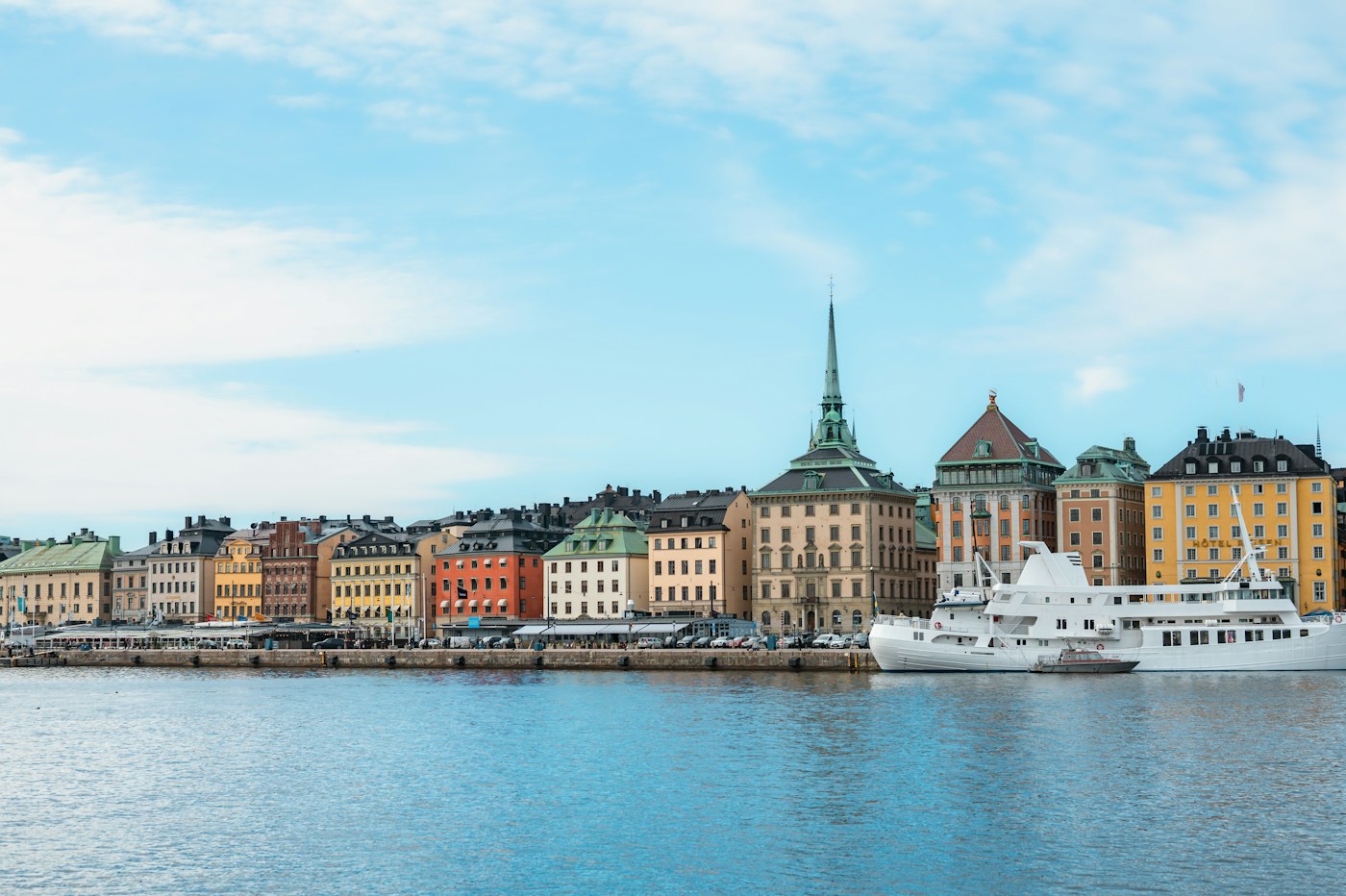
In Stockholm, check which side of the water the accommodation is on and the actual route from your arrival station. A bridge and a convenient station can matter more than how close two map pins look. Recent reviews about the entrance, noise, and staff availability help assess the property itself.
For an apartment or self-check-in room, download the directions and confirm a working contact. Ask whether the entrance involves steps and where a taxi can stop. When comparing hostels and hotels, look at secure storage, room arrangements, and common areas rather than assuming every shared room produces instant friends.
One base with selected day outings can keep a first trip manageable. If adding another city, use our multi-city trip planning guide to count the transfer as part of the vacation, not an invisible line between two sightseeing days.

In Stockholm, bring a payment backup rather than a large cash supply
Visit Stockholm’s first-visit advice notes that many shops, restaurants, and hotels do not accept cash. Bring a usable card and keep a second payment method separately. A phone wallet can be convenient, but it should not be the only way to buy dinner if the battery fails.
Check your bank’s overseas-use settings and save its card-blocking contact before departure. Avoid keeping every card beside the passport in the same easily lost pouch. A small practical backup is more useful than repeatedly checking the balance while standing at a ticket gate.
For transport, consult the city’s public transport guide and SL for the product you need. The local network includes metro, trams, buses, commuter trains, and certain ferries. That final word matters: a city ticket is not an automatic pass for every boat leaving a Stockholm quay.
Use the ticket method’s own instructions and keep the payment card or device used for the journey available for inspection. Do not assume a screenshot is an active ticket. Check the route and ticket before joining a boarding queue, particularly when leaving the city center.
The return ferry is part of the island day
Visit Sweden’s solo travel guide describes archipelago outings from Stockholm and Gothenburg as options that do not require a private boat or car. Choose the specific island, then verify the operator, departure quay, ticket, and return service for your travel date.
A short summer trip described in a blog can become a different journey when the seasonal timetable changes. Check whether the last boat gives enough time for the walk, meal, and return to the pier. If a connection is essential, build the day around it before adding another stop.
Save the correct quay and booking offline. Carry suitable layers and keep a charged phone, but do not rely on a mobile signal to create a departure that has already left. If the forecast or service notices make the outing uncertain, choose a city day and leave the island for another visit.
You can take a public boat independently and still book a guided activity on arrival. Company is particularly useful when the excursion involves an unfamiliar water activity or route; check qualifications, equipment, and the return arrangements before paying.
Is Sweden safe to walk around alone after dark?
Assess the particular journey. An evening on a populated central street, an empty park shortcut, and a late walk from an outlying station require different judgments. Search the return for the expected finish time and check the walk from the stop to your door.
A public Stockholm safety discussion began with a first-time solo visitor trying to reconcile alarming news coverage with an ordinary sightseeing plan. The useful lesson is to distinguish national headlines, local security alerts, and the specific route you intend to take. Neither a reassuring comment nor a frightening headline replaces current practical information.
Keep an alternative ride available and ask venue or hotel staff for help if the journey changes. If someone makes you uncomfortable, move toward other people or a staffed place. You do not need to disclose where you are staying to be polite.
For a night out, keep your drink with you, decide your own finish time, and retain a payment backup. The broader travel safety tips for women cover these habits without making each evening into a separate planning project.
A quiet solo day can still have a social center
Choose one activity that gives the day some structure: a museum visit, a walking tour, or a class that interests you. Then allow time for a café break rather than adding a cross-city journey between every booking. A table for one is a normal restaurant request, not an announcement requiring an explanation.
Visit Sweden highlights independent city travel and guided outings as compatible choices. If meeting people matters, choose a defined group activity or accommodation with organized common spaces. If solitude is part of the appeal, there is no need to turn every pleasant conversation into a plan for tomorrow.
For countryside stays and walking trips, investigate access and outdoor conditions separately. A reassuring city experience does not establish that an unfamiliar forest route, frozen lake, or remote cabin suits your skills or the season. Use a qualified guide for activities beyond your experience and check the insurance terms before booking.
Keep help accessible if the phone becomes the problem
Visit Stockholm lists 112 for emergencies. Save the room address, insurer details, and bank contacts somewhere accessible offline, with an additional copy separate from the phone. The international travel checklist covers the preparations before departure.
For a first Swedish trip, a connected room, a workable return journey, and a spare afternoon can be enough structure. They leave space for the pleasures that make traveling alone worthwhile: staying longer in a gallery, taking the next tram, or deciding that the café is the afternoon’s destination.