
Germany Digital Nomad Visa: this guide explains the practical choices, steps and tradeoffs before you act.
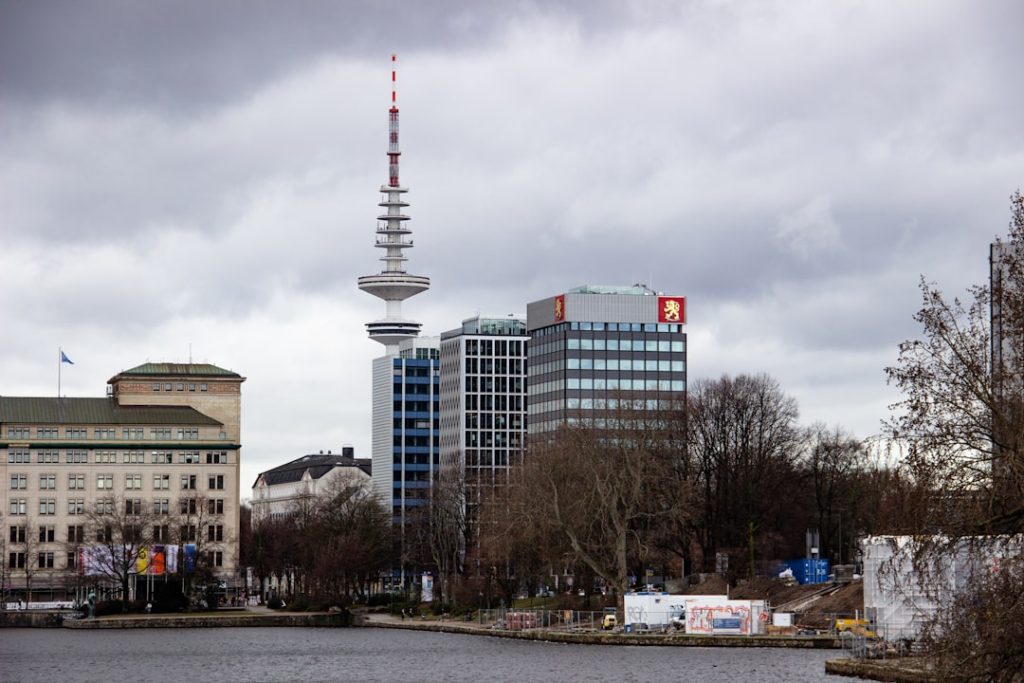
Featured photo by Philippe Oursel on Unsplash.
Germany doesn’t have an official digital nomad visa, but that doesn’t mean remote professionals are out of options — it means the actual pathway, the Freiberufler (freelance) visa under Section 21 of Germany’s Residence Act, was built for a specific category of worker, and it’s worth checking carefully whether that category actually matches your situation before assuming it applies.
Immigration policy changes over time — confirm current details with the German embassy or consulate serving your region, or Germany’s official immigration authorities, before applying.
Who this visa is actually for — and who it isn’t
This is the detail that trips up a lot of digital nomad visa searches: the Freiberufler visa is explicitly for independent professionals — freelancers and self-employed people — not for traditional remote employees. The visa does not allow traditional employment with a German company, but more importantly for most digital nomads, it’s designed around genuine freelance work with real or prospective clients, not simply working remotely for a foreign employer as a W2-style employee. Anyone employed by a foreign company as a standard employee, rather than genuinely freelancing, should look elsewhere on this list — Germany’s pathway doesn’t map cleanly onto that situation the way some other countries’ digital nomad visas do.
Financial requirements
There’s no strict published minimum income figure, but applicants should generally be prepared to demonstrate somewhere in the range of €9,000–€12,000 annually (roughly €750–€1,000 monthly) in projected or actual freelance income. This can be shown through bank statements, existing client contracts, or letters of intent from prospective clients — evidence that the freelance work is real and sustainable, not just a stated intention. Applicants aged 45 or older also need to show adequate retirement provisions as part of the application, a requirement specific to this visa category.
Required documents
- Completed national (D) visa application form
- A valid passport
- A CV and a motivation letter explaining the freelance work
- A portfolio or examples of past work
- Letters of intent or signed contracts from potential or existing clients — this is arguably the most important document in the application, since it demonstrates the freelance business is genuinely viable
- Proof of accommodation in Germany
- Financial documentation supporting the income requirement
- Proof of private health insurance meeting German standards
- Professional qualifications, where applicable to the field
A formal written business plan isn’t explicitly mandated the way it is for some other countries’ entrepreneur visas, but strong client evidence meaningfully strengthens the application in its place.
Health insurance: mandatory, not optional
Health insurance is a genuine legal requirement for anyone living in Germany, not just a recommended precaution. Private coverage meeting German standards is generally required for the initial application and arrival; enrollment in Germany’s public health insurance system may become an option after registering as a resident, depending on individual circumstances.
Duration, renewal, and the path to permanent residency
The visa grants residency for up to three years. Extensions are possible, and this pathway can genuinely lead to permanent residency over time — a meaningfully longer-term prospect than several digital nomad visas elsewhere that cap out at a fixed renewable term with no residency pathway at all.
Application process and costs
The typical process involves applying for a national (D) visa at a German embassy or consulate abroad first, then converting it to a full residence permit after arriving in Germany. Budget for two separate fees: roughly €75 for the initial visa application, and roughly €100 for the residence permit conversion once in Germany.
Frequently asked questions
Does Germany have an official digital nomad visa?
No — Germany has no dedicated digital nomad visa. The closest workable option is the Freiberufler (freelance) visa, which is specifically built for independent professionals and freelancers.
Can I use Germany’s freelance visa if I’m a remote employee, not a freelancer?
Generally not cleanly — this visa is designed around genuine freelance or self-employed work with real or prospective clients, not traditional employment with a foreign company. Remote employees should look at other countries’ digital nomad visas designed specifically for that employment type.
What’s the income requirement for Germany’s freelance visa?
No strict published minimum, but applicants should generally be prepared to demonstrate roughly €9,000–€12,000 annually in freelance income, supported by client contracts or letters of intent.
Can this visa lead to permanent residency in Germany?
Yes — after the initial period (up to three years) and subsequent extensions, this pathway can lead to permanent residency, unlike some digital nomad visas that offer no long-term residency route at all.
Confirm your employment type first
Before assuming Germany is a fit, the single most important question is whether your work genuinely qualifies as freelance or self-employed — this visa simply isn’t built for the standard remote-employee arrangement most other countries’ digital nomad visas accommodate. For freelancers with real or prospective clients, Germany offers a genuinely strong long-term option, complete with a real path to permanent residency. For a comparison across countries with more employee-inclusive digital nomad visas, see Lush Nomad’s complete guide to digital nomad visas.