
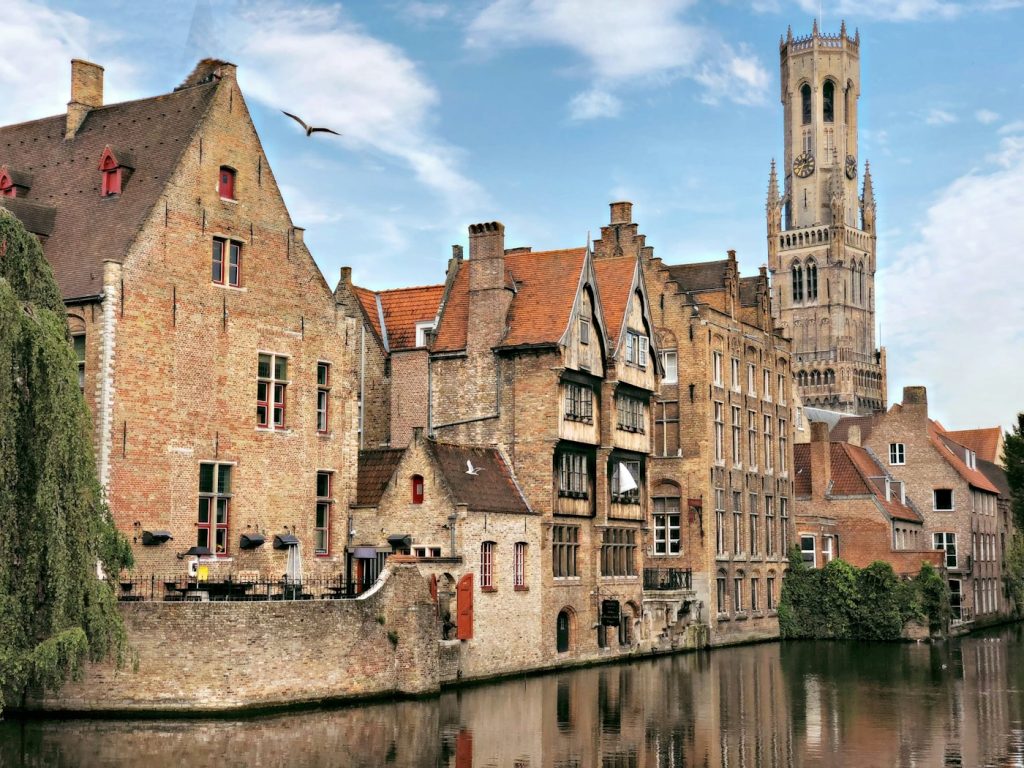
Belgium can be a rewarding solo trip for women, especially when the route uses a small number of city bases and straightforward train journeys. The answer to “is it safe?” still deserves more detail than a countrywide yes. Arriving through a major Brussels station late at night and spending an afternoon in Bruges are different situations, with different practical preparations.
As checked on October 22, 2026, the U.S. State Department advises increased caution in Belgium, at Level 2. Read its current warnings about crime, terrorism, and unrest, and follow local instructions. This guide focuses on keeping an ordinary sightseeing trip manageable while taking those warnings seriously.
Belgium safety at a glance
| Category | Editorial score | Main concern |
|---|---|---|
| Personal safety | 7.5/10 | Theft around major stations needs attention |
| Transport | 8.5/10 | Useful rail links; check disruptions and station names |
| Night-time safety | 7/10 | Plan late station-to-door transfers |
| Tourist infrastructure | 9/10 | Strong visitor services across the main cities |
| Solo-travel ease | 8/10 | Fewer bases reduce luggage handling and transfers |
| Overall | 8/10 | Rewarding with station and evening planning |
Lush Nomad editorial scores for a typical sightseeing trip, not official safety statistics or a guarantee. Overall is the average of the five categories; outdoor risks require a separate assessment.
Brussels, Ghent, or Bruges: choose the base that fits the evenings
Brussels can be convenient for onward connections and a visit that includes its museums and central sights. Ghent may suit someone who wants to spend more of the trip in one walkable historic city. Bruges can be appealing if you want to experience its streets after many day visitors have left. These are differences in trip style, not a ranking of personal safety.
Compare each room with the place you will arrive and the activities you want after dinner. Check reception hours, the actual building entrance, nearby transport, and recent reviews about access and nighttime noise. A station-adjacent room can save time, but the station name alone does not describe the street outside its door.
If arriving late through Brussels, price a direct, properly arranged transfer from the station to the room rather than assuming a long walk with luggage is the automatic budget choice. Keep the lodging address and contact offline before the train arrives.
The existing Belgium two-day guide covers sightseeing choices. Use it to narrow the route, then make the accommodation decision around the evenings you will actually have. This safety guide is not a reason to add every Belgian city to a short break.
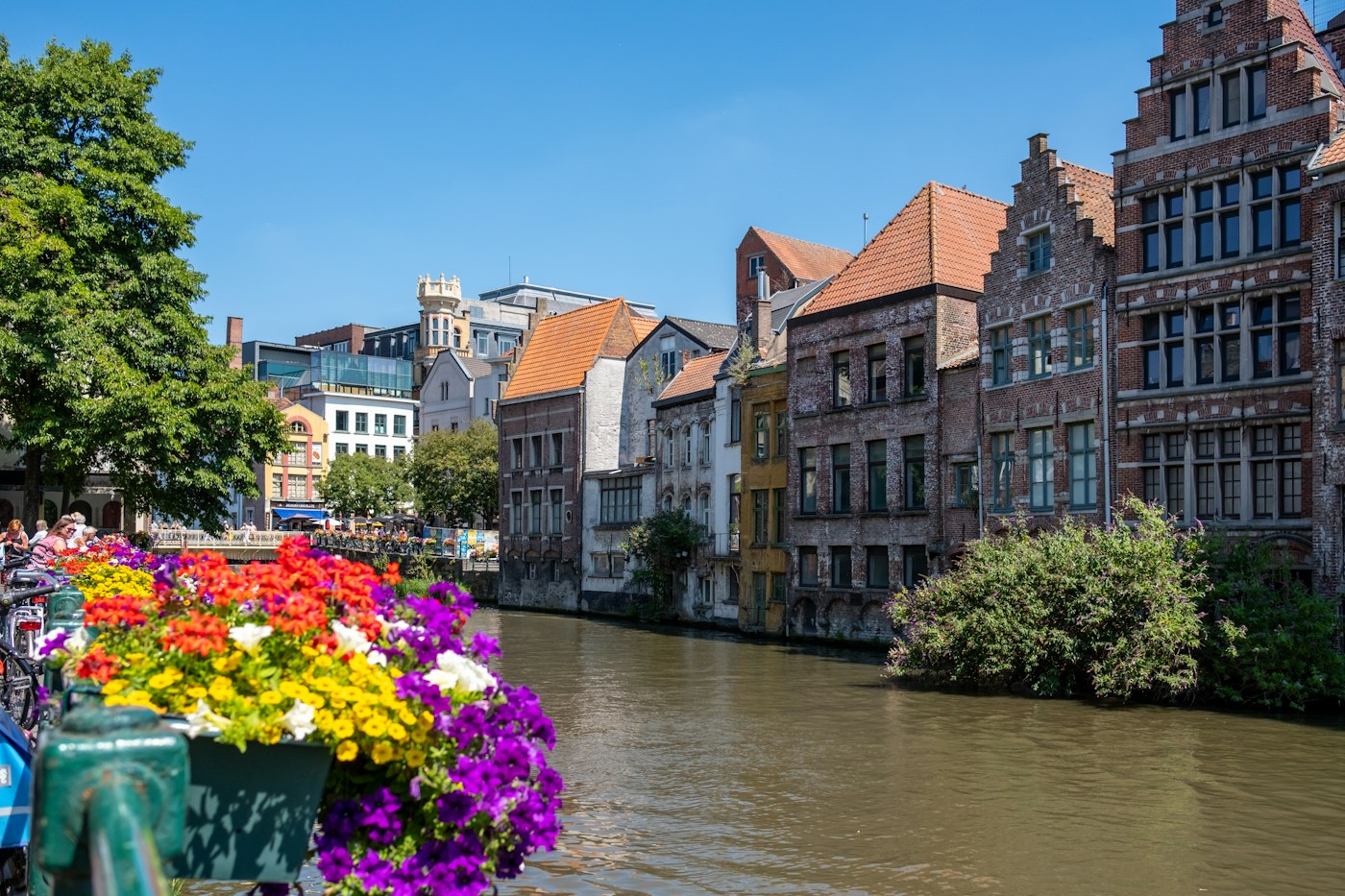
Treat a station transfer as part of the trip
The UK government’s Belgium guidance warns about theft at major stations and on public transport, particularly at night. That calls for a clear transfer routine rather than avoiding the railway altogether.
Before leaving the carriage, close the bag, put away the passport, and know the next station or accommodation name. Keep valuables with you while lifting a suitcase onto or off a rack. If someone creates a distraction or offers unsolicited help, keep hold of your belongings and seek identifiable staff when needed.
Check the destination printed on the ticket and the station where you actually change. Brussels has several major stations; do not plan around a single “Brussels station” map pin. Leave enough time to read the departure board and find the platform without rushing through an unfamiliar concourse.
For a late transfer, wait near other passengers or staff rather than isolating yourself in an empty area. If the connection changes, ask for the current route. A screenshot of yesterday’s platform is a record, not a promise.
Keep a separate payment backup and a way to contact the hotel. The international travel checklist covers those preparations before departure, when sorting them out is considerably less tiring.
Read the reassuring trip reports alongside the warnings
In a public solo female trip report, a visitor described basing herself in Brussels, taking day trips, and having a positive experience while still using theft precautions. That is useful evidence that a troubling online reputation does not describe every visit. It is also one person’s experience, rather than a measure of the likelihood of crime.
The practical approach is to hold both pieces of information: many women enjoy independent trips, and official station and theft warnings merit attention. Choose current, location-specific precautions instead of deciding that the whole country must be either effortless or alarming.
For crowded sights, secure the bag before handling tickets or taking photographs. At a café, keep it in contact with you rather than on an unused chair. Store a backup card separately from the wallet. These are short habits, leaving room to enjoy the places you came to see.
Plan the way back before the first evening drink
An evening meal, concert, or beer tasting can fit into a solo Belgium trip. Decide how to return while you can still compare the available services, and check the final walk from the stop. A lively restaurant street does not establish that the entire route to a distant room will be equally busy.
Keep your drink with you and retain an independent way to leave. Ask staff for help if someone becomes persistent, if you feel unexpectedly unwell, or if a return connection becomes unclear. You do not owe a new acquaintance another venue or details of your accommodation.
For a late walk, use a route you understand and populated main streets where practical. Choose a licensed ride if that makes the final stretch more manageable. The broader travel safety tips for women cover the habits that apply across destinations.
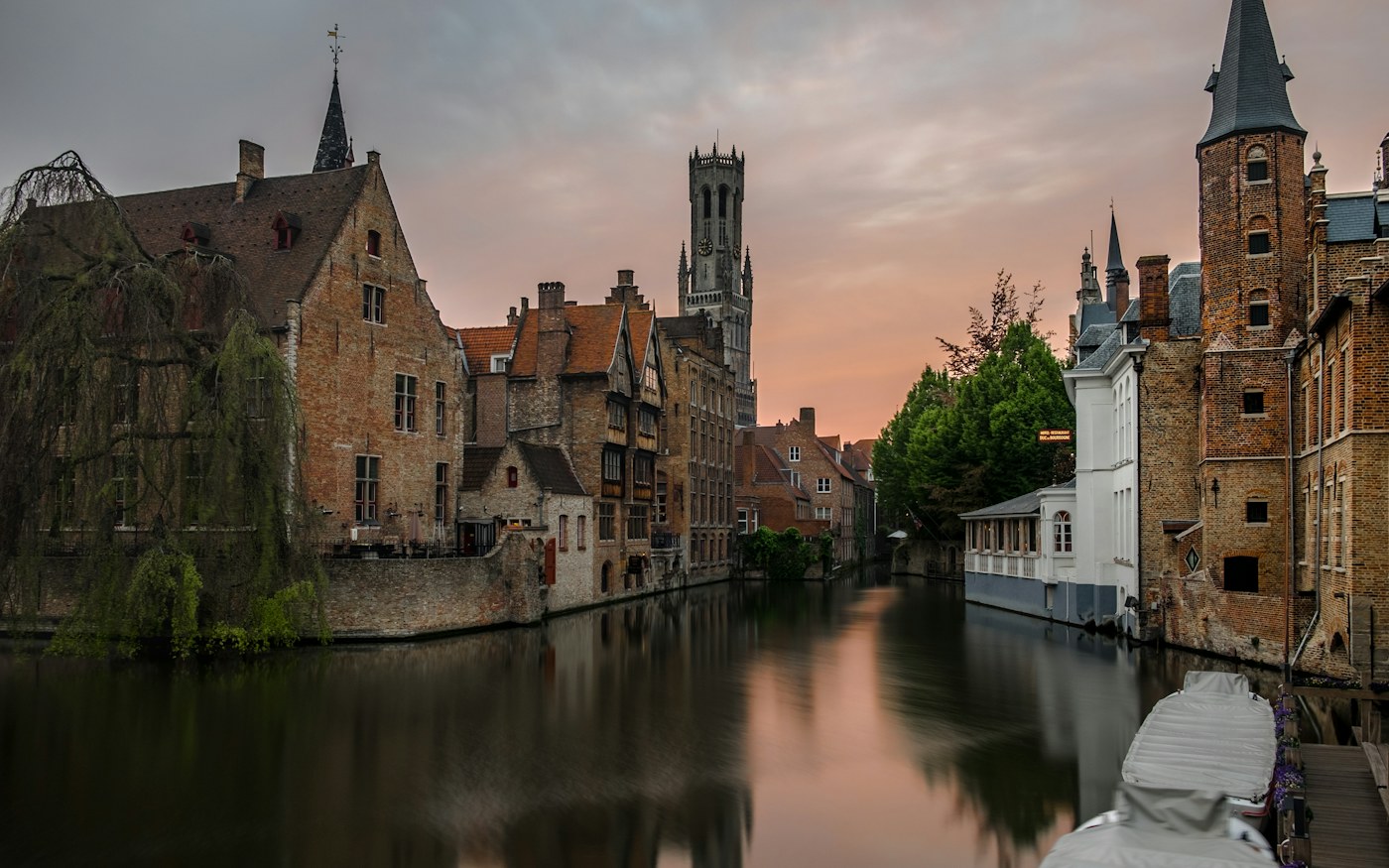
Give strikes and security notices room to change the day
The official UK guidance also notes demonstrations and strikes, including around transport hubs and Brussels’ EU quarter. Check your operator’s current service notices before a day trip or airport journey, and follow local instructions around demonstrations or security operations.
Avoid making the final possible train the only route to an important flight. Where a transfer has several dependent pieces, consider arriving earlier or spending the preceding night closer to the departure point. The right amount of margin depends on the actual booking, not a general claim that Belgium’s distances are short.
One base with selected day trips can reduce the amount of luggage handling. A second base can still be worthwhile if it gives the visit a different rhythm rather than merely adding another hotel. Our multi-city planning guide helps assess that tradeoff.
Know whom to contact on the railway
SNCB’s security service, Securail, lists 0800 30 230, available around the clock, for help with security incidents in stations and on trains. Its red-and-black-uniformed staff can also assist. Do not put yourself at risk trying to recover a stolen possession.
For an emergency requiring police, ambulance, or fire services, the official travel guidance lists 112. Keep the room address, insurer assistance number, and bank contacts available separately from your everyday wallet and accessible offline.
Belgium makes most sense as a solo trip when the small decisions are already settled: where the train ends, which entrance is yours, and how you will return after dinner. Then a canal-side afternoon or another museum room can take the time that would otherwise disappear into checking connections.