
Belgium is compact, but two days still calls for a choice. A first visit can pair a full day in Brussels with one day in Bruges, giving you a mix of grand architecture, food, canals and medieval streets without changing hotels. If you have already seen Brussels or prefer a lively university city, swap Bruges for Ghent; trying to fit all three into two days usually means spending more time in transit than you want.
What to see in Belgium in 2 days
For a balanced first trip, spend day one in Brussels and day two in Bruges. Stay in Brussels for both nights, then take an early train to Bruges. The direct journey averages about 1 hour 4 minutes; check SNCB’s Brussels–Bruges journey planner for the schedule and platform on your travel date.
| Day | Plan | Best for |
|---|---|---|
| 1 | Brussels’ historic centre and one nearby district | Architecture, museums and food |
| 2 | Bruges by train | Canals, medieval streets and a slower walk |
This plan prioritizes time in each place over collecting city names. If you are drawn more to contemporary city life, restaurants and a less postcard-perfect setting, replace Bruges with Ghent rather than attempting both.
Day 1: Explore Brussels at walking pace
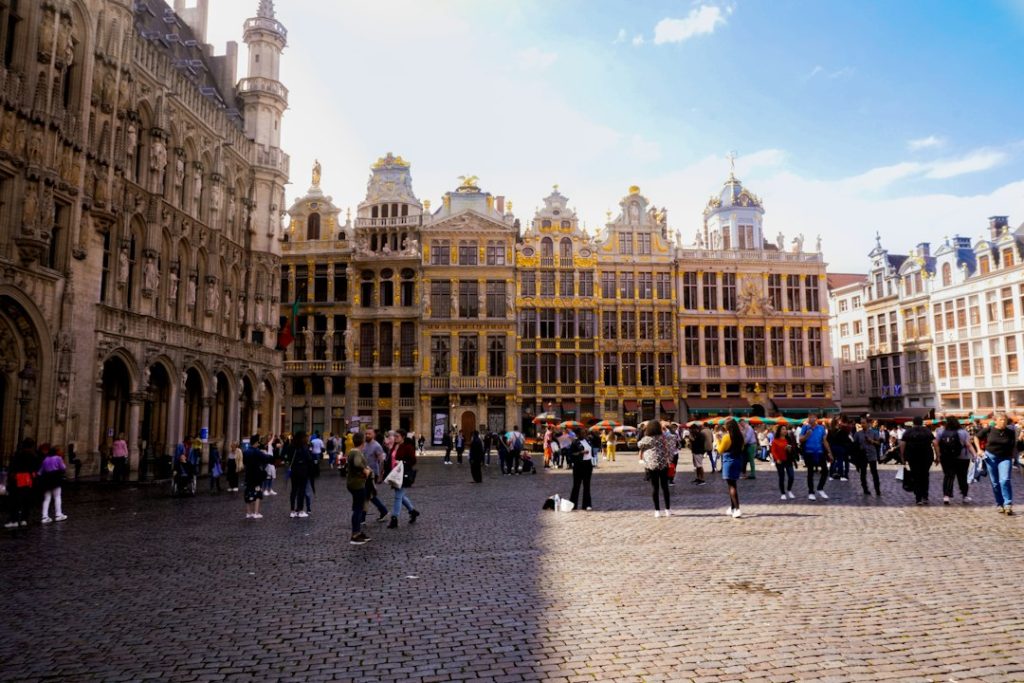
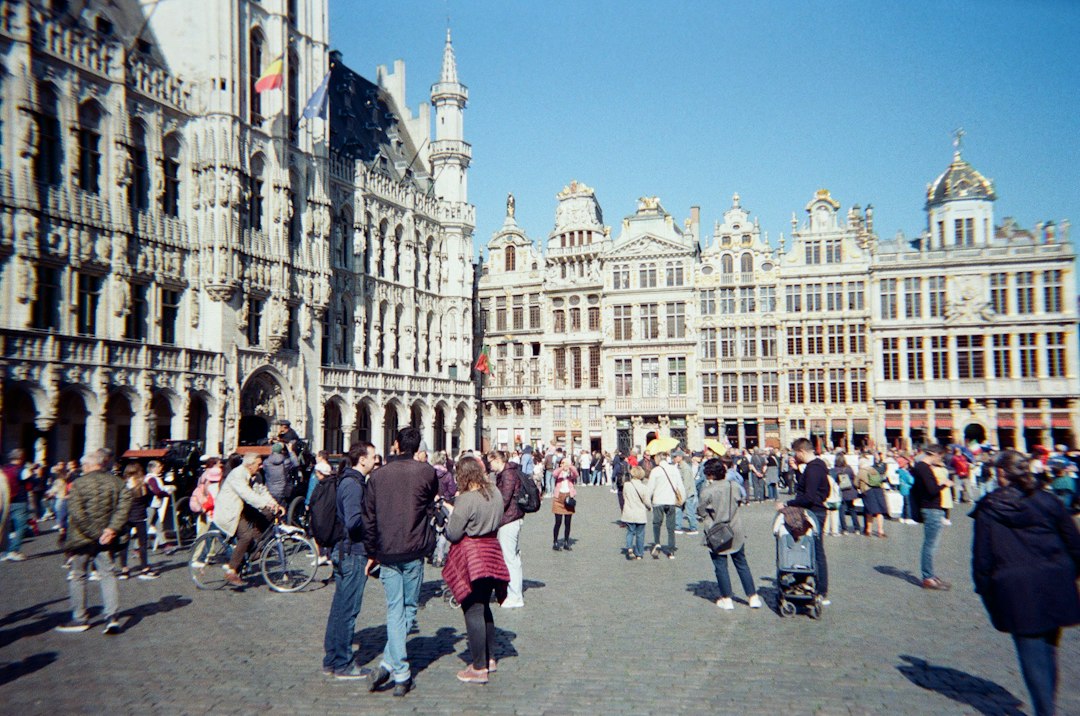
Begin at the Grand-Place, Brussels’ central square, and take a few minutes to look at the ornate façades around it. The square is a natural starting point for the historic centre and is highlighted among the city’s main sights by Visit Brussels. The nearby Galeries Royales Saint-Hubert makes an easy next stop: walk through the covered arcade, browse the shop windows and pause for coffee or chocolate if something catches your eye.
Continue through the surrounding lanes to Manneken Pis. It is a small statue and a quick stop, so see it while you are nearby rather than planning a long detour around it. From there, decide on one afternoon area instead of zigzagging across the city:
- Sablon: antique shops, chocolatiers and the Church of Our Lady of the Sablon.
- Mont des Arts and the Royal Quarter: gardens, city views and museums, convenient if art or history is your priority.
- European Quarter: modern institutions and the Parc du Cinquantenaire, a good change of scene from the old centre.
Choose one museum only if it genuinely interests you, and check its opening day and ticket details first. Brussels has enough museums and neighbourhoods for several days; the aim here is to get a feel for the city, not complete an exhausting checklist. For lunch, wander a few streets away from the busiest stretch around the square. Try Belgian fries, a waffle or a local beer, but leave room for a café you happen to like. If you are planning several walking days, save the route and key stops in a Google Maps trip plan before you leave.
Return to the Grand-Place in the evening to see the illuminated buildings. For a low-stress solo evening, choose a restaurant you can reach easily on foot or by public transport, and check your route back to your accommodation before you head out.
Day 2: Take the train to Bruges
Take a morning train from Brussels to Bruges (Brugge). Direct trains run from Brussels stations, and the trip averages just over an hour. Check the SNCB timetable before setting out, since schedules and platforms can change. From Bruges station, walk towards the old centre or use local transport if you would rather save your steps. The walk is a pleasant introduction to the city, but its cobbled streets make comfortable shoes a sensible choice.
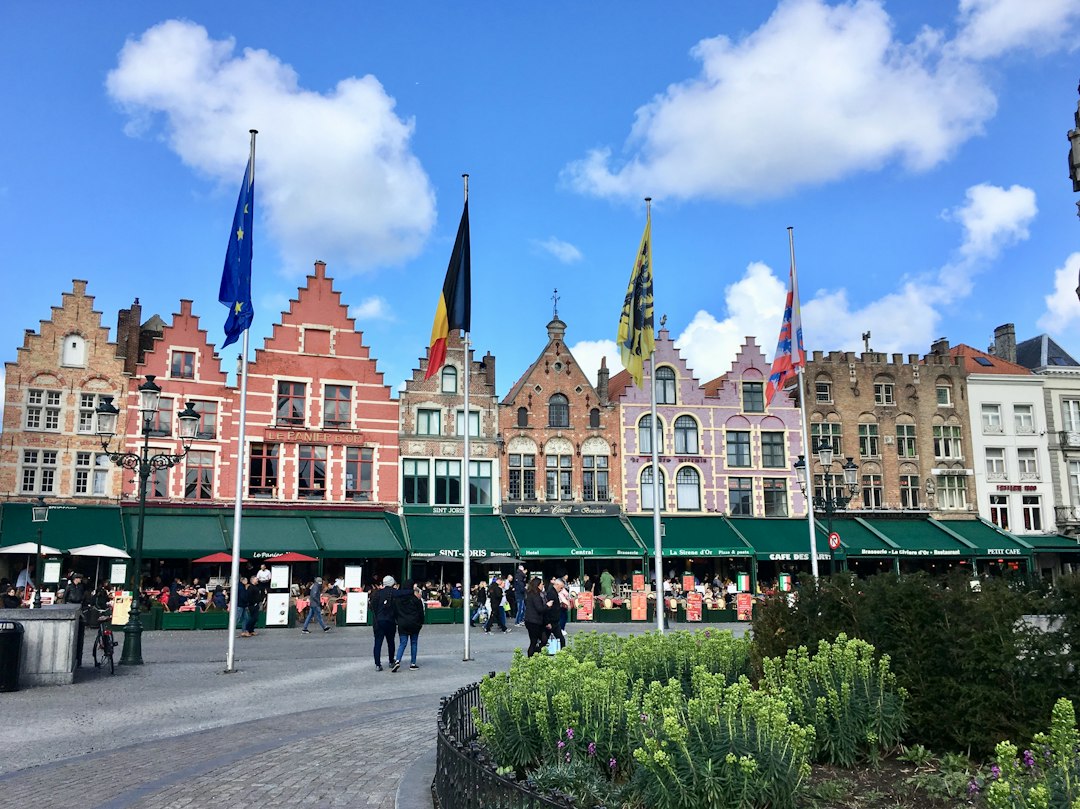
Start at the Markt, the main square, then walk to nearby Burg Square to see the City Hall and the Basilica of the Holy Blood. The historic centre is compact enough to explore on foot. Rather than staying only around the busiest squares, follow the lanes between them and let the route unfold at a comfortable pace.
Next, head towards Rozenhoedkaai (Quay of the Rosary), one of the city’s best-known canal viewpoints. A short walk beside the water connects several photogenic corners, but the appeal of Bruges is not limited to a single photo stop. Leave time to pause for a drink, browse a shop or take a quieter lane when the main streets feel busy.
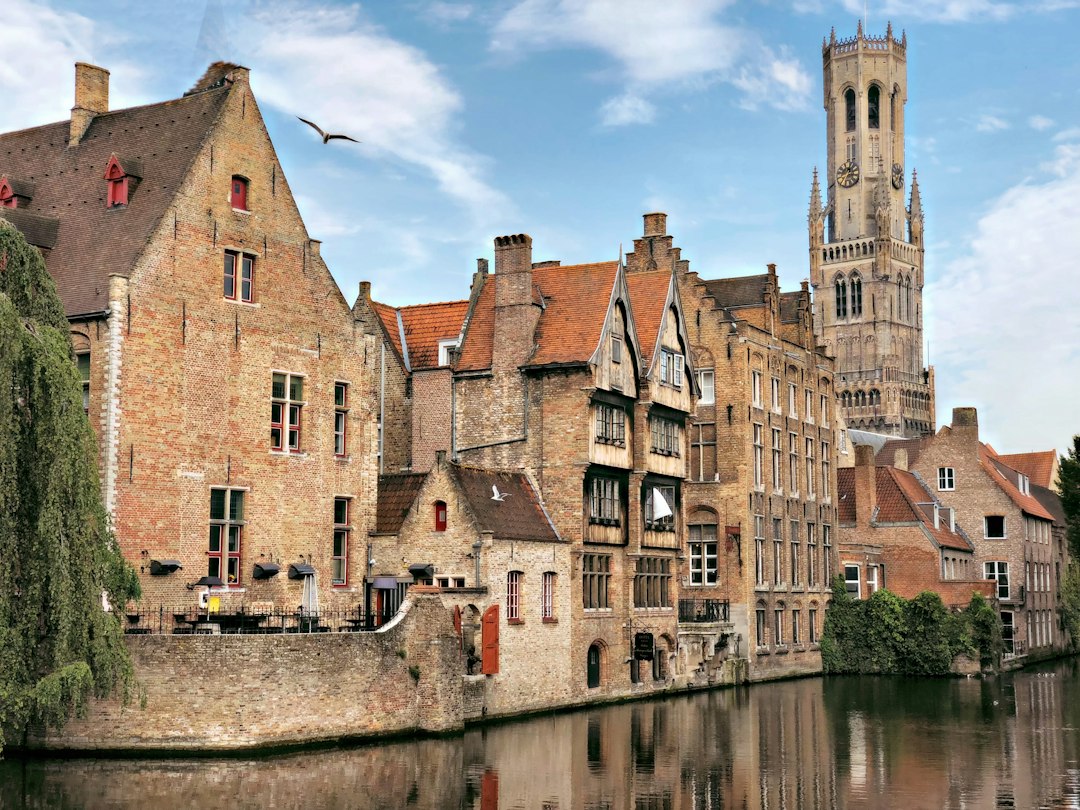
If you want a view from above, consider climbing the Belfry on the Markt; check current admission arrangements and availability before you go. A canal boat trip is another option when the weather and queue suit you. Neither is essential: walking the centre is enough to enjoy Bruges, and skipping a paid activity leaves more time for the streets themselves.
Take lunch or an early dinner a little away from the busiest part of the Markt. If you still have energy, continue towards Minnewater Park and the Beguinage before returning to the station. This quieter finish balances the more crowded central sights.
Bruges or Ghent: which should you choose?
Choose Bruges if it is your first visit and you are drawn to canals, medieval architecture and a compact, picturesque centre. Choose Ghent if you would rather have a livelier city atmosphere, historic streets and a strong café and restaurant scene. SNCB also lists direct rail options from Brussels to Ghent; check its Brussels–Ghent planner for your date.
For a two-day trip, spend the day in one city rather than racing through both. Public travel discussions repeatedly surface this decision: travelers ask whether to focus on Brussels or use the second day for Bruges or Ghent, and raise practical questions about trains, airport transfers and how much fits comfortably into a short stay. These are individual discussions, not a representative survey, but they reinforce a useful planning rule: pick the city you most want to experience and give it enough time to feel like a visit.
Practical tips for a short Belgium trip
- Stay in Brussels for both nights if you want to avoid packing and changing hotels. Pick accommodation with an easy connection to a station.
- Check the train on the day. Use SNCB’s journey planner or app for current times, platforms and service updates.
- Group sights by area. Brussels and Bruges are walkable in their central areas, but crossing town repeatedly wastes limited time.
- Leave breathing room. A flexible afternoon is more enjoyable than squeezing in every museum, viewpoint and food stop.
- Check opening days in advance. Museums, churches, towers and boat tours may follow different schedules, especially on certain weekdays or during seasonal periods.
Is 2 days enough to see Belgium?
Two days is enough for an enjoyable introduction, not a full tour of Belgium. Brussels plus one day trip to Bruges or Ghent makes a realistic first visit. Add at least another day if you want to see both cities as well as the capital. Keep the route simple, check train details before you travel and leave space to stop when a street, café or view earns more of your time than the itinerary expected.