
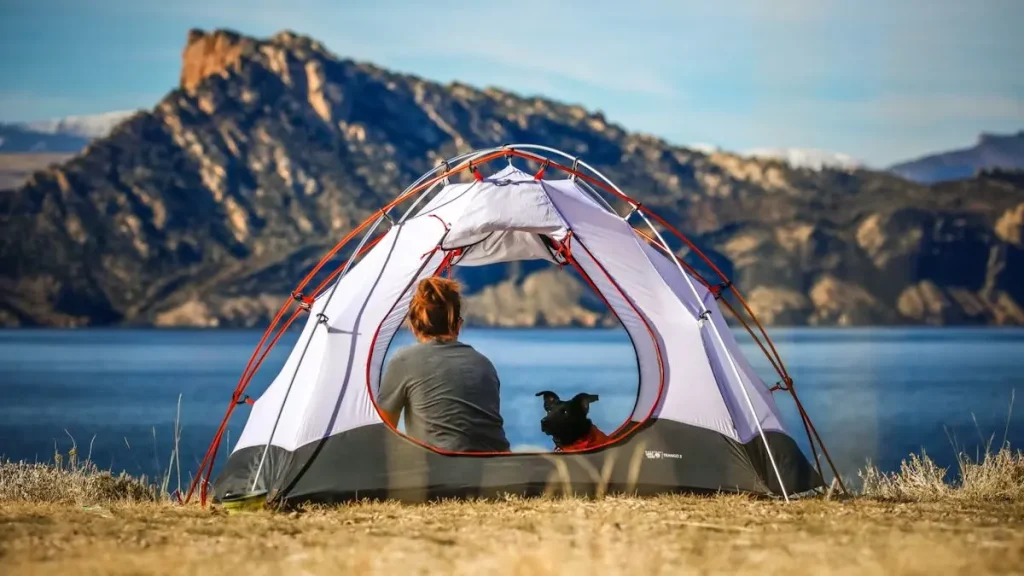
The right camping packing list depends on weather, water, wildlife and whether the car is ten feet away or several miles behind you. Camp aesthetics can wait until shelter, sleep and safety are settled.
The Short Answer
For an overnight camping trip, pack suitable shelter, a sleeping bag and pad rated for expected conditions, water and treatment where needed, food and a safe cooking plan, weather layers, navigation, a headlamp, first aid, sun and insect protection, hygiene supplies and the food-storage system required by the site. Add comfort equipment only after these systems work.
Camping Packing List
Shelter and sleep
- Tent or appropriate shelter, with poles and stakes
- Rainfly and footprint when the shelter uses them
- Sleeping bag rated for expected overnight conditions
- Insulated sleeping pad
- Pillow or a pillowcase to fill with spare clothing
- Repair tape or the shelter’s specific repair kit
Water, food and camp kitchen
- Water capacity for the people, route and conditions
- Water treatment or filter when potable water is not reliably available
- Planned meals and useful emergency margin
- Stove, correct fuel and ignition backup where allowed
- Cookware, eating utensils and can opener if required
- Cooler and food thermometer for perishable food when appropriate
- Wash basin, sponge and small amount of soap
- Trash bags and the site-required food-storage system
Safety, light and navigation
- Headlamp for each camper and spare power
- First-aid kit matched to the group and activity
- Map, offline navigation and backup appropriate to the route
- Emergency contacts and trip plan shared with someone reliable
- Sun protection
- Insect and tick protection where relevant
- Whistle and emergency shelter for trips away from camp
- Fire extinguisher or vehicle safety gear where appropriate
Clothing and footwear
- Base layers suited to the temperature
- Warm layer for evening and overnight lows
- Waterproof or weather-resistant shell
- Hiking or camp footwear appropriate to the terrain
- Extra socks and dry sleep clothing
- Hat, gloves or sun hat as conditions require
- Swimsuit and water shoes only when the plan calls for them
Hygiene and campsite care
- Toothbrush and personal toiletries
- Toilet paper and waste system required by the site
- Hand sanitizer
- Quick-dry towel
- Prescription medication
- Period supplies if needed
- Biodegradable soap for correct use away from natural water
Decide What Kind of Camping This Is
Car camping permits heavier tents, coolers, chairs and larger water containers because the vehicle remains nearby. Backpacking requires carrying everything, so weight, weather exposure, water sources and emergency planning become much more consequential. Cabin camping may remove the tent but not necessarily bedding, food or lighting needs.
This article covers independent overnight camping, not residential summer camp. For an organized camp, follow its issued list; the program may supply bedding and prohibit items that are ordinary at a family campground.
Check the Site Before Packing Gear
Read the current page from the park, forest, campground or land manager. Confirm drinking water, toilets, vehicle access, quiet hours, fire restrictions, food-storage rules, pets, permits and current closures. A campground with potable water and a bear locker creates a different packing list from a dispersed site with neither.
The National Park Service camping guidance is a useful general starting point, but the rules for the exact site take priority. Weather, wildfire conditions and wildlife activity can also change quickly.
The Ten Camping Essentials Are Systems, Not Products
If a short list is needed, prioritize: shelter, sleep insulation, water, food, light, navigation, first aid, weather protection, sun/insect protection and safe food storage. The exact object representing each category changes with the trip. A full water jug works at a drive-in site; a filter and carrying capacity may be necessary on a route.
Do not let a ten-item slogan remove redundancy where failure would be serious. One headlamp per person and spare power is more sensible than one elegant lantern for the entire group.
Plan Water, Food and Cooking Around the Site
Determine whether water is potable, seasonal or unavailable, then calculate capacity for drinking, cooking and essential cleaning. Bring an appropriate treatment method when required and know how to use it before departure.
Plan each meal and check that every food has a way to be opened, cooked and eaten. Confirm stove and fuel rules; fire bans can apply even when a fire ring exists. Never use a fuel-burning stove or grill inside a tent, vehicle or other unventilated sleeping space.
Store food, trash and scented items according to local wildlife guidance. Toothpaste and deodorant may belong with food in a bear-resistant system; a toiletry bag does not become invisible to wildlife because it has a tasteful zipper.
Pack Clothing for the Overnight Low
Daytime temperature alone is an unreliable packing guide. Check overnight lows, rain, wind and exposure. Bring a dry sleep layer and keep it protected from wet gear. Extra socks are small; an entire duplicate wardrobe is not.
A sleeping bag’s label and comfort performance are not identical for every person. Pair it with an insulated pad suited to the conditions and test the system before a cold night far from home.
Camping With Kids
Add weather-appropriate spare clothing, familiar sleep items, age-specific food and medication, sun and insect protection, safe lighting and a few compact activities. Give each child a simple responsibility suited to their age, but keep critical safety gear under adult control.
Pack more dry clothing for young children, not more complex gadgets. Check water hazards, fire rules, wildlife and the distance to medical care before deciding which comfort extras fit.
Test the Camping Checklist at Home
Pitch the tent, inflate the pad, light the stove outdoors and confirm every battery, pole and connector. Try the sleeping setup for at least part of a night if it is new. Unfamiliar filters, unopened tents and brand-new boots create preventable problems.
For car-based trips, combine this with the road-trip packing list. Keep toiletries compact with the travel toiletries guide.
The 3-3-3 and 200 Rules Are Not Universal Camping Standards
Search results use “3-3-3 rule” and “200 rule” for several unrelated camping and RV ideas. They are not universal land-management regulations. For campsite spacing, waste disposal, water protection, food storage, driving and generator use, follow the posted rule from the specific campground or managing authority.
Commonly Forgotten Camping Items
- The tent poles, stakes or rainfly
- The correct stove fuel or lighter
- A can opener
- Headlamp batteries
- Trash and wet-gear bags
- Dry sleep socks
- Required permit, reservation or food-storage equipment
Turn the final site-specific version into a reusable checklist with the packing list generator. Save the campground rules beside it; the list is only as good as the conditions it represents.
Continue Packing
- Road Trip Packing List: Car, Cabin and Emergency Gear
- Travel Toiletries List for Carry-On and Checked Bags
- Travel Essentials for Women: A Practical Packing List
- Backpacking Europe Packing List for One Bag
Editorial note: Weather, fire restrictions, wildlife guidance and site rules can change. Check the managing authority and current conditions before departure.
Frequently Asked Questions
What is the most important item on a camping packing list?
Shelter, sleep, and safety come first: a tent rated for the conditions, a sleeping bag and pad matched to expected overnight temperatures, water and treatment, food and a safe cooking plan, navigation, a headlamp, and first aid. Comfort equipment only matters once these systems work.
Do you need a water filter for camping?
Only when potable water isn't reliably available at the site. Pack enough water capacity for the people, route and conditions, and add a treatment method or filter as backup when the site's water source is uncertain.