
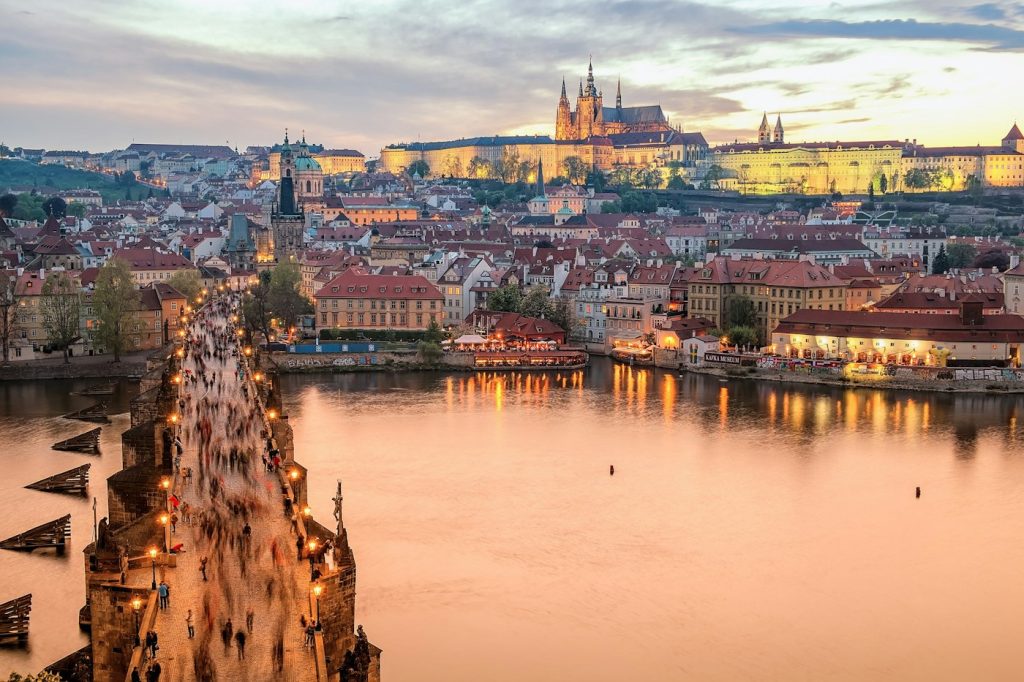
Prague is generally a workable city break for solo female travelers, with a historic center that can be explored on foot and public transport for the longer journeys. The practical concerns are less about filling the day alone than about crowded sightseeing areas, ticket rules, and getting back after the evening’s last activity. A connected room and a clear return plan do useful work here.
This guide covers those decisions rather than adding another full Prague itinerary. Transport and official guidance were checked on October 22, 2026. Use the operator’s current information for your travel date; ticket prices and airport arrangements in older blog posts can be out of date even when the photographs remain excellent.
Prague safety at a glance
| Category | Editorial score | Main concern |
|---|---|---|
| Personal safety | 8/10 | Pickpocketing in crowds and busy transport |
| Transport | 9/10 | Good connections; validate the correct ticket |
| Night-time safety | 7.5/10 | Plan night transport and the final street |
| Tourist infrastructure | 9/10 | Strong central visitor services |
| Solo-travel ease | 8.5/10 | A connected base simplifies a first city break |
| Overall | 8.4/10 | An accessible city break with ordinary precautions |
Lush Nomad editorial scores for a typical sightseeing trip, not official safety statistics or a guarantee. Overall is the average of the five categories; outdoor risks require a separate assessment.
Sort out the airport journey before the sightseeing list
Prague’s official PID airport guide lists trolleybus 59 to Nádraží Veleslavín for metro line A, bus 100 to Zličín for metro line B, and Airport Express to the main railway station. These options do not all have the same ticket conditions. Choose the one that suits the property’s actual address and your arrival time.
Check the final connection and walk while you can still compare alternatives calmly. A route that is simple during the day may need a different plan after the metro finishes. PID also lists night connections; search the entire journey for the time you expect to leave the airport.
If arranging a car, use a recognized booking channel and match the vehicle and driver with the reservation. Save the destination in a form you can show rather than relying on pronouncing a new street name after a long flight. Keep the property’s contact available if the pickup or check-in changes.
For a railway arrival, save the exact station rather than a generic Prague pin. Keep essential documents and payment cards in the bag that stays with you while a suitcase goes onto a luggage rack.
A paper ticket and a ticket bought on board need different handling
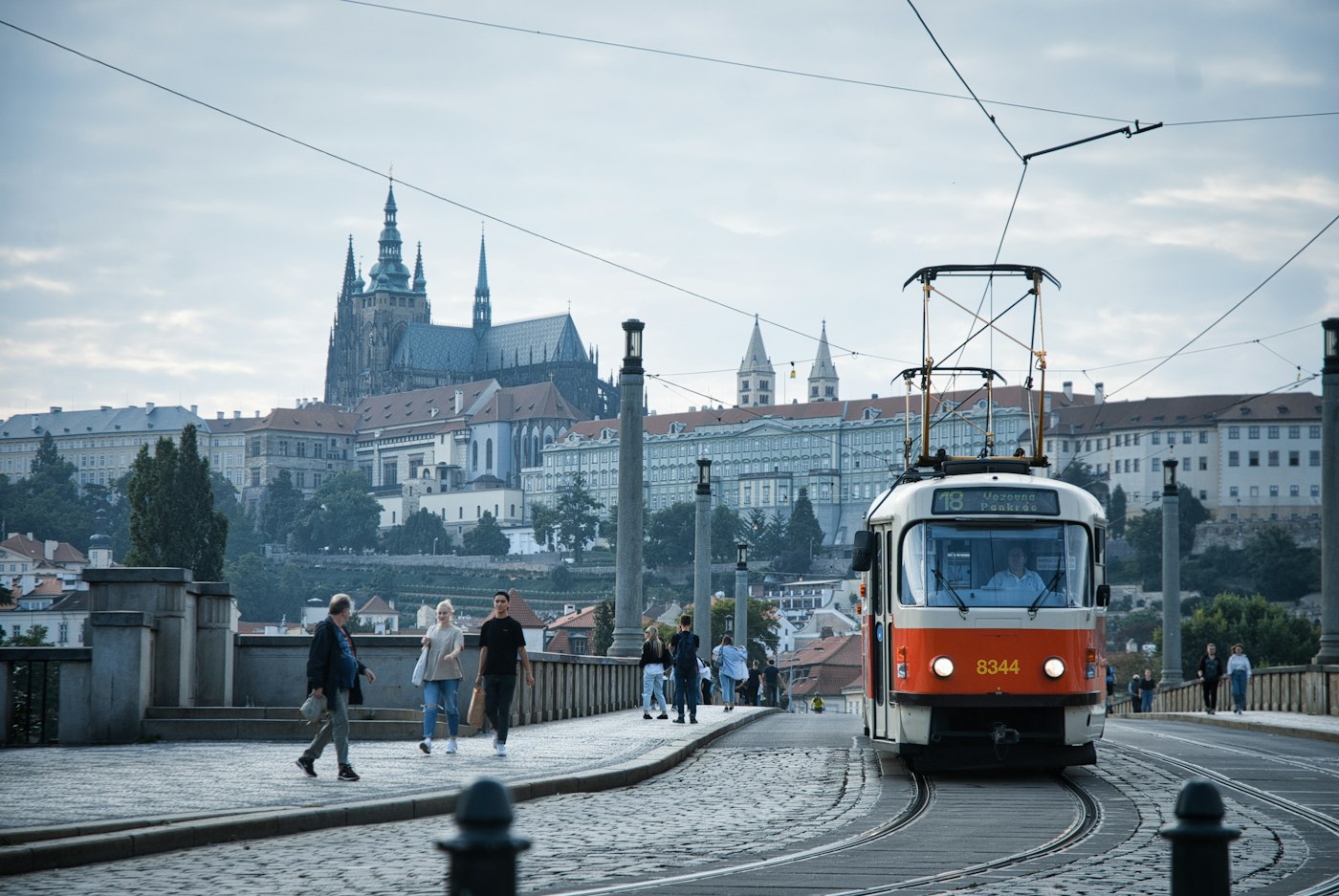
Prague’s ticket rules are worth learning before a crowded tram arrives. PID explains that paper tickets bought from machines or ticket offices generally need to be stamped once when first entering the vehicle or the metro paid area. Tickets issued by onboard contactless terminals already show their start of validity and should not be stamped again.
For app tickets, follow the activation instructions for that particular product. Buying something on a screen is not always the same as having a valid ticket ready for inspection. Set up the app in advance and check the activation state before boarding rather than relying on a hurried screenshot.
Choose a duration that covers the full trip, including changes, and consult current fares instead of a remembered price. If uncertain, ask identifiable transport staff or use an official information point. An impatient line behind you is not a reliable source of ticket advice.
Keep the ticket and the payment method accessible without exposing the rest of the wallet. At busy stops, close the bag before handling directions. Those two small actions remove much of the unnecessary juggling from a solo transfer.
Choose accommodation by the evening journey, not just the view
Old Town can be convenient for a sightseeing-heavy stay, but a central address may also mean nighttime noise and a busy entrance. Compare the actual building with the stop you will use, the route after dinner, and recent guest descriptions of access. A bedroom above a lively venue and a bedroom near it are different bookings.
Accommodation beyond the historic center can work when the connection is straightforward. Check the last useful service and the walk from the stop before choosing a lower rate. Do not assume an entire district is safe or unsafe based on a forum label.
For a hostel, consider secure lockers, staffed reception, female dorms if preferred, and shared activities that match your interests. A private room can preserve quiet while a walking tour provides company. Our hostel versus hotel comparison helps assess those arrangements without making a dorm a requirement for traveling alone.
Crowds and quiet streets call for different precautions
Around popular sights and on packed trams, protect belongings before taking photographs or opening a ticket app. Keep the phone out of exposed pockets, the bag zipped and close, and a backup card separately stored. A busy place offers potential help and opportunities for distraction theft at the same time.
That tension appears in a public discussion about solo female travel in Prague: commenters broadly reassure the visitor, while disagreeing about the assumption that the busiest tourist streets are automatically safest. The useful response is to distinguish personal comfort from care for belongings, rather than treating a crowd as protection for everything.
For a quieter evening route, check lighting, distance, and the final entrance. Choose the route you understand or arrange a ride if the walk becomes uncomfortable. Avoid an unfamiliar park shortcut simply because the map saves a few minutes.
Keep a Google Maps trip list for the lodging, stations, and evening venue. Use PID for the live connection. A saved location is helpful; a saved assumption about the last tram is less so.
An evening out should have a finish you control
Prague’s bars and beer culture can be part of a solo trip, but they do not have to organize the entire visit. Choose the venue because it interests you, check the menu before ordering, and keep your own transport option. A social invitation does not require moving to another place with someone you have just met.
Keep your drink in sight and seek staff assistance if you feel unexpectedly unwell or someone persists after a refusal. Share only the personal details needed for the situation; your room number is not part of making conversation. Responsibility for harassment or assault always lies with the person committing it.
If you want company without a late night, consider a daytime history walk or a class with a clear meeting point and finish. Our solo travel planning guide can help build the day around your interests and energy rather than the activities most heavily advertised to backpackers.
Keep the ordinary preparations within reach
Read the UK government’s current Czechia safety guidance before departure, and follow local instructions during protests or security incidents. Keep a payment backup and insurer details accessible offline. The travel safety tips for women cover the precautions that do not need reinventing for each city.
Prague City Tourism lists 112 for emergencies. Give your location and describe what happened. Save the room address and a nearby landmark with the international travel checklist.
A good solo Prague trip can be simple: one well-connected base, unhurried time in the historic streets, and an evening that ends when you want it to. Understanding the ticket and return route leaves more attention for the city, which is the point of sorting them out in the first place.