
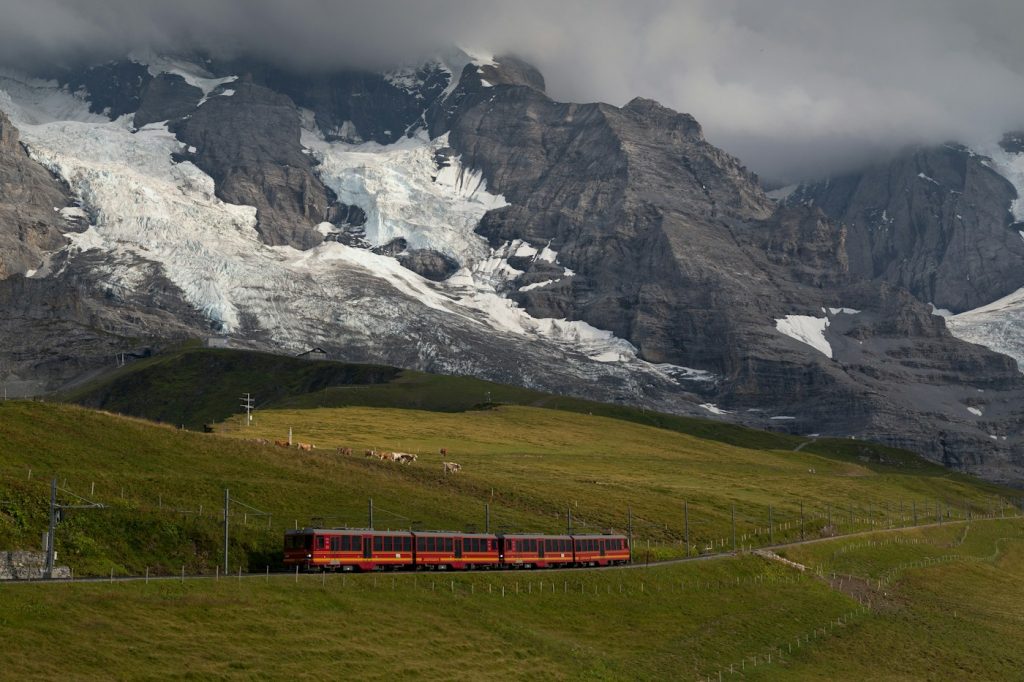
Switzerland is generally a practical destination for solo female travelers, especially for a trip built around public transport and a few well-chosen bases. Cities, lakefront walks, museums, and scenic rail journeys can be enjoyed independently. Mountain activities need their own assessment: reaching a viewpoint easily does not mean every trail beyond it is suitable for a walk alone.
The UK government’s Switzerland guidance notes a low rate of serious crime while warning about petty theft in busy places. That supports everyday precautions at stations and on trains, rather than treating the country as free of risk. This guide’s practical information was reviewed on October 21, 2026.
Switzerland safety at a glance
| Category | Editorial score | Main concern |
|---|---|---|
| Personal safety | 8.5/10 | Secure belongings at busy stations and on trains |
| Transport | 9/10 | Check ticket restrictions and the last mountain connection |
| Night-time safety | 8/10 | Assess the final walk and keep a return option |
| Tourist infrastructure | 9/10 | Strong rail connections; mountain services need separate checks |
| Solo-travel ease | 8/10 | City stays are straightforward; alpine outings need experience |
| Overall | 8.5/10 | Well suited to a rail-based trip with carefully chosen outdoor activities |
These subjective Lush Nomad editorial scores summarize the practical guidance below for an ordinary sightseeing trip. Higher scores indicate fewer planning hurdles within each category; they are not official safety statistics or a prediction of individual risk. The overall score is the mean of the five categories. Remote outdoor activities require a separate assessment.
Let the railway simplify the trip
Start with the public transport connections between the places you want to visit. The SBB website provides journey planning for Switzerland; check the complete route, including any bus, boat, or mountain connection. Use the actual accommodation address when estimating the final walk.
Read the conditions of the ticket you choose, particularly its date, route, and any restriction to a specific departure. A cheaper ticket is useful only if it suits the way you expect to travel. Check whether an excursion or mountain service is included before assuming a pass covers it.
Keep luggage manageable enough to board, transfer, and reach the hotel without depending on an unfamiliar person’s help. Store passports, essential medication, payment cards, and the phone in the bag that stays with you. Give yourself time to read platform signs before lifting a suitcase into a doorway.
If a connection changes, consult the live journey information and identifiable staff. There is no need to improvise a complicated route from memory because the original train has been missed. Our multi-city trip planning guide can help allocate realistic time to transfers and check-ins.
Choose a base that works after the excursion finishes
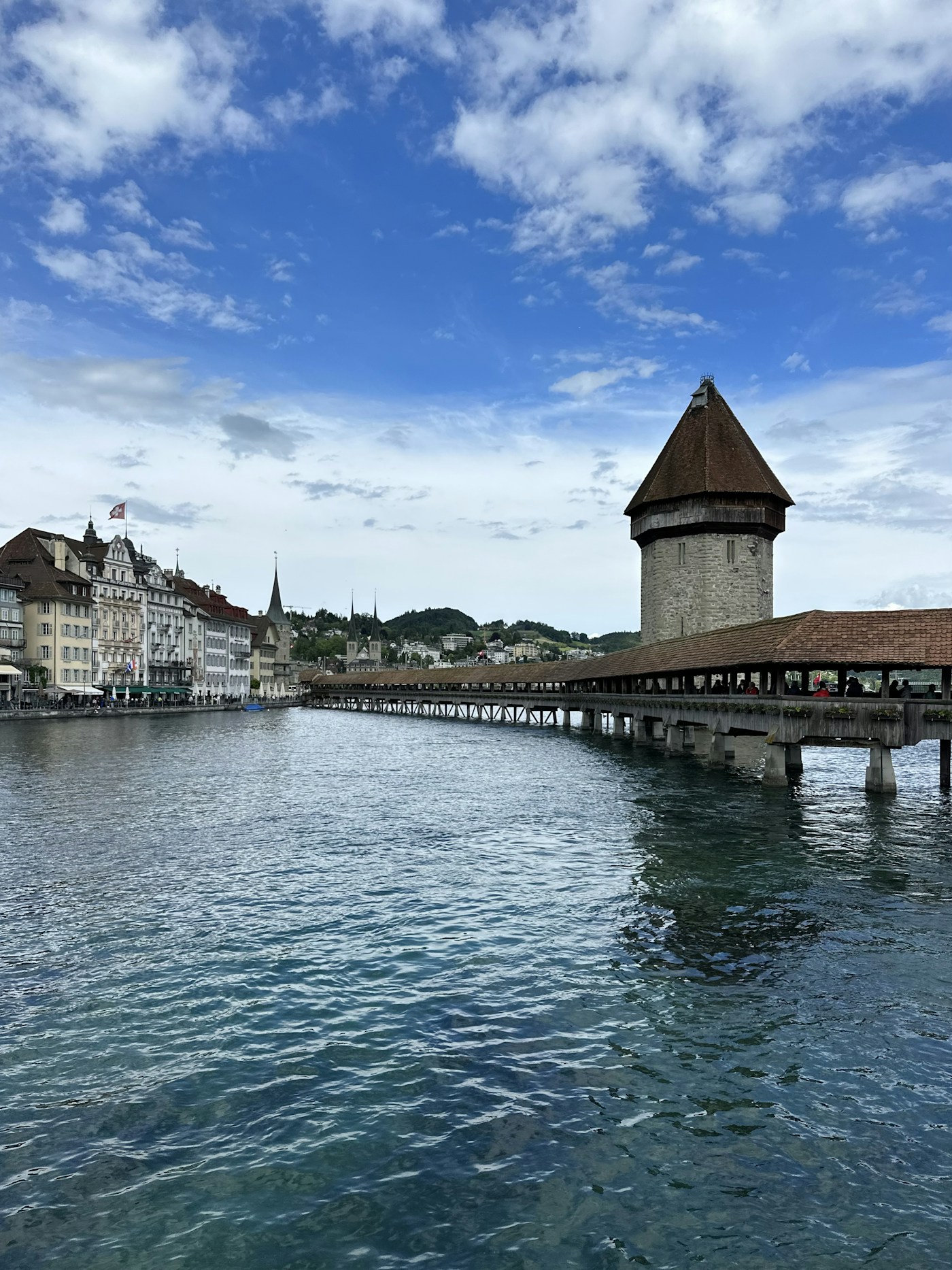
Lucerne can suit a stay involving the old town, lake, and onward excursions. Zurich can suit an art-and-city visit with frequent transport choices. A mountain village can be a good base when the surrounding activities are the reason for the trip. These are different travel styles, not a hierarchy of safe and unsafe locations.
Look at the final journey after a late dinner or a long day out. A chalet described as close to the village may sit uphill from the stop, while a room beside the station may trade convenience for noise. Check steps, gradients, reception hours, and recent reviews about the entrance before booking.
Ask about luggage storage, late arrival, and a contact if self-check-in fails. If staying somewhere with limited dining options, check what will be open and how you can return after eating. A kitchen can be helpful, provided there is a workable plan for obtaining food.
Keep enough time in one base to change the day’s plan. Moving hotels every morning removes some of the flexibility that makes traveling alone enjoyable. A lakefront afternoon is easier to choose when the suitcase is already in a room.
Keep the evening journey as ordinary as the daytime one
After a concert, meal, or evening walk, assess the actual route home. Check the current departure and the walk from the stop, rather than relying on a citywide safety reputation. Choose a properly arranged ride when that makes the final stretch more manageable.
On a train or at a station, keep belongings close while checking directions. If someone makes you uncomfortable, move toward staff or other passengers and ask for assistance. Do not continue a conversation or share accommodation details out of politeness.
SBB’s safety guidance explains its public transport precautions and assistance arrangements. For a railway security emergency, SBB lists the Transport Police number as 0800 117 117. Save the number before traveling rather than trying to locate it during a stressful interaction.
If enjoying an evening drink, keep it with you and retain a way to leave independently. A reassuring destination does not remove the value of a few familiar habits; our travel safety tips for women cover the preparations that apply across countries.
Read the trail markings before choosing the walk
Switzerland Tourism’s hiking guidance distinguishes ordinary hiking trails, mountain hiking trails, and alpine routes. That difference matters more than how attractive a walk looks in a photograph.
- Yellow signs identify hiking trails, which can still have uneven or narrow sections.
- White-red-white markings identify mountain hiking routes that may be steep and exposed, requiring suitable experience and fitness.
- White-blue-white markings identify alpine routes with more demanding terrain and skills requirements.
For an unfamiliar or demanding route, use an experienced guide rather than treating a signposted path as automatically suitable for walking alone. Check current access, trail conditions, the weather, and the time required to return. Stay on the chosen marked route and turn back when the conditions or your energy no longer suit it.
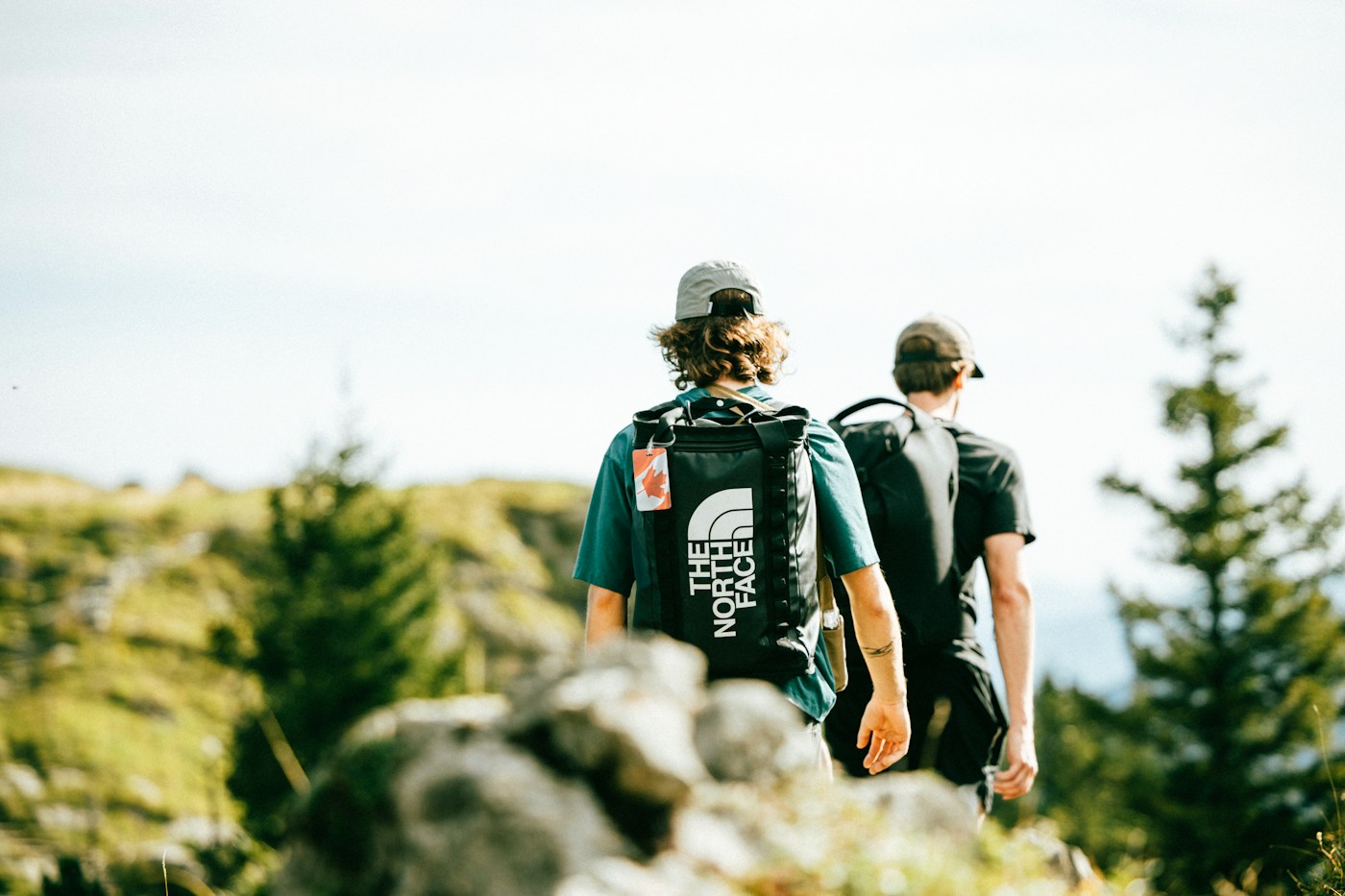
A cable car or mountain railway can make a viewpoint accessible while leaving the surrounding landscape demanding. Before leaving the arrival area, identify where the proposed walk goes and how you will return. Do not let an easy ride up become the reason for beginning a descent you have not assessed.
Check the last lift before setting off
For a mountain outing, the operating calendar matters as well as the weather. Check the particular railway or cable-car company’s current opening period and last return. Maintenance closures, seasonal operation, or disruption can change the day even when a general destination guide says the attraction is available.
Keep the return connection comfortably within reach of the walk you have chosen. Add room for breaks and a slower pace. If the plan depends on hurrying back to the final departure, shorten it before setting out rather than trying to recover the time on unfamiliar terrain.
Carry appropriate clothing, footwear, water, navigation, and a charged phone. Let someone know the intended route and return time. For more involved activities, check insurance and operator requirements before booking; compare what is actually covered rather than relying on the phrase “adventure included.”
Keep a lower-altitude alternative available. A museum or town walk is a good use of the day if the mountain forecast is unsuitable. The trip does not become less independent because a weather warning has changed it.
Give the budget enough room for a change of plan
Traveling alone means the full cost of a private room or unexpected taxi is yours. Keep a contingency for a changed connection, another night, or a more convenient transfer. Do not book accommodation so remote that a single missed service leaves no affordable way to reach it.
Carry a usable backup payment card separately from the everyday wallet, and save the bank’s contact details. Check phone access and keep essential reservations available offline. These arrangements are more useful than carrying a large amount of cash everywhere.
Save the general emergency number too
Call 112 for an emergency in Switzerland. The Swiss Government’s emergency information explains that this reaches the police emergency control center and can be used with a foreign SIM. Give your location clearly and follow the instructions provided.
Keep your accommodation and insurer contacts with the rest of your international travel checklist. Use a Google Maps trip list for urban locations and appropriate hiking information for the mountains. Switzerland can be a rewarding first solo trip when the plan preserves choices: a train to the next town, an afternoon beside the lake, or a mountain day selected because the conditions genuinely suit it.