
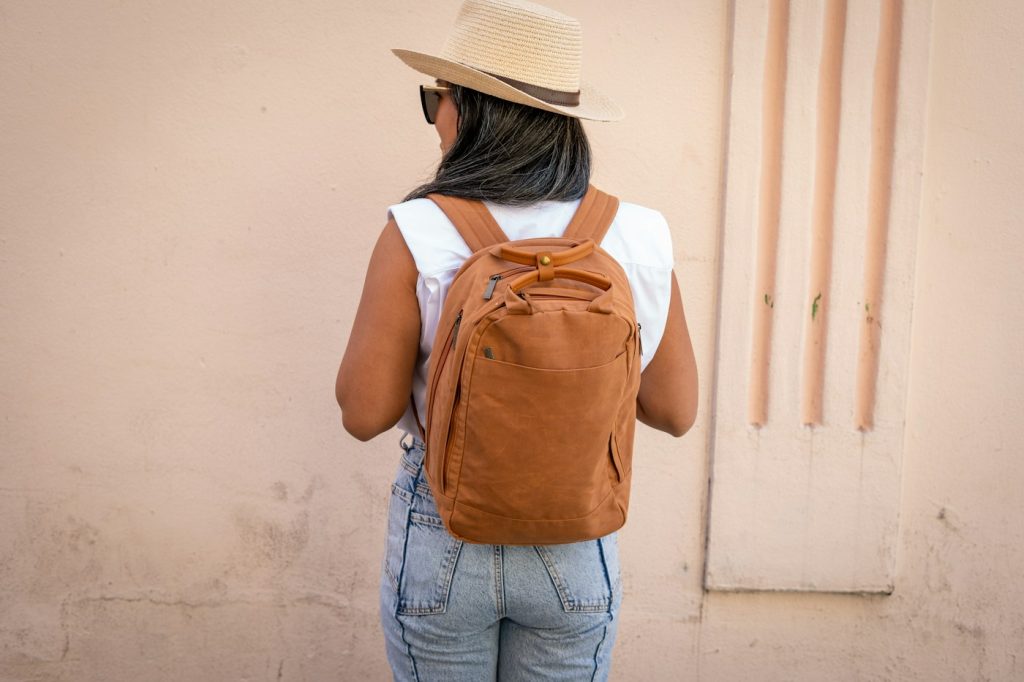
Travel safety tips for women work best when they create options, not fear. Before a trip, check the current advice for your destination, choose accommodation with an arrival route you understand, and save a way to reach help if plans change. On the road, small habits—confirming a ride, keeping a backup payment method, and protecting your room details—can make unfamiliar situations easier to manage.
These 15 tips cover concrete habits and a few optional items for traveling alone or with others. Choose what suits your destination and needs. No precaution guarantees safety, and harassment or assault is always the responsibility of the person causing harm.
Check the risks that apply to your trip
Before relying on a generic list of safe countries, read current travel advice issued by your own government and official information from your destination. Look at the specific city, neighbourhood, transport, season, activities and local rules that affect your itinerary. The UK FCDO and Government of Canada recommend researching local conditions that may affect women travellers. Guidance can change; check it again close to departure.
Recent accommodation reviews can help you assess a particular entrance, street and check-in arrangement. Save the address and instructions offline. If you arrive late, arrange the route from the station or airport before leaving and identify a fallback if transport is delayed.
1. Take a Beginner Self-Defense Class
Book a class with a qualified instructor and practice a few techniques for breaking away and creating space to leave. Look for a course that includes using your voice, setting boundaries, and adapting movements to your abilities. The National Women's Martial Arts Federation has a directory of certified empowerment self-defense instructors. Prioritize supervised practice over memorizing moves from short videos.
2. Pack a Portable Hotel Door Lock
Bring a portable door lock if extra room security would help you feel comfortable, and practice fitting and removing it before departure. Check the manufacturer’s door requirements; these devices do not fit every door. Use it only while inside, where permitted, and make sure you can release it quickly to exit. It supplements a working room lock rather than fixing a faulty one.

3. Keep a Personal Alarm Within Reach
Clip a personal alarm where you can reach it without searching through your bag. Read the instructions, check its battery, and learn how to activate and silence it before traveling. Treat it as an optional way to attract attention, with no guarantee that someone will respond. Keep any chosen safety items alongside your other travel essentials, rather than buried beneath them.
4. Keep Your Drink in Sight
Watch your drink being prepared and handed over, then keep it with you. Replace a drink left unattended instead of trying to decide whether it looks different; appearance cannot establish that it is safe. This applies to soft drinks, too. If you suspect spiking or suddenly feel unwell, tell staff and seek medical help promptly. Avoid leaving alone with someone you do not trust.

5. Save Local Emergency Numbers
Save the destination’s police and ambulance numbers before departure, along with your accommodation’s front desk number. Verify them through official destination information; do not assume 911 works abroad. Write the numbers and your accommodation address on a small card as a backup. Add this to your international travel checklist so it gets done before the packing rush.
6. Set Up Your Phone's Emergency Features
Find the emergency calling shortcut on your phone and add a trusted emergency contact. Review the manufacturer’s instructions for your model, including any automatic dialing settings. Familiarize yourself through settings or an official demo without placing a test call to emergency services. Features depend on the device, connection, and location, so keep the local numbers saved separately.
7. Carry a Charged Power Bank
Charge a power bank before heading out and pack the cable that actually fits your phone. Keep both in your day bag, where they are easy to reach. Recharge the bank after using it rather than carrying it empty the next morning. A dead battery makes maps, bookings, and calls harder to access; a charger left in the hotel cannot help much.
8. Download Maps Before You Go Out
Download an offline map where your chosen app supports it, and save your accommodation and planned stops. Open the map with mobile data switched off to check that the download worked. When planning a trip on Google Maps, remember that offline coverage and directions have limitations: do not assume live transit information or every route will remain available.
9. Save Your Hotel Address in the Local Language
Screenshot your accommodation’s official name, local-language address, and phone number from the booking confirmation or property website. Keep the screenshot easy to find, and take a hotel business card when available. Include the entrance instructions for properties tucked inside a larger building. A translated hotel name alone may not help a driver or station employee identify the right place.
10. Separate Your Backup Card and Cash
Keep one usable backup payment card and a little emergency cash apart from your everyday wallet. Store them securely rather than in another pocket of the same bag. Before departure, check the card’s PIN and how to freeze a lost card through your bank. The point is to retain a payment option after losing one wallet, without carrying all your funds everywhere.
11. Wear Your Bag Away from the Road
Carry a zipped bag on the side of your body away from passing traffic, and bring it in front on crowded transport. Keep the opening close to you and avoid dangling a phone toward the road while checking directions. Pay particular attention when traveling in Europe, especially on crowded metros, at stations, and around popular sights; keeping belongings secure includes keeping valuables out of outer pockets. If someone forcibly takes belongings, prioritize getting away over holding onto them.
12. Keep Valuables Out of Checked Bags
Keep your passport, essential medication, payment cards, and important electronics in a bag that stays with you during transit. Transfer them before handing luggage to an airline, bus operator, or hotel porter. Check airline rules separately for batteries and other restricted items. Take a quick look around your seat before leaving; small belongings are easy to miss in seat pockets or under jackets.
13. Verify Unexpected Hotel Visitors
Call reception using the number in your booking or the room phone before opening the door to an unexpected visitor, including someone claiming to be staff. Ask the front desk to confirm who they sent and why. Keep the door closed while checking. A uniform, a knock, or knowledge of your room number is not enough to establish that a visit is authorized.
14. Check the Plate Before Getting In
For an app-booked ride, match the license plate, vehicle model, and driver photo with the booking before opening the door. Ask the driver to confirm whom they are collecting when the service uses passenger names. Do not board a mismatched vehicle. For an ordinary taxi, use the local official taxi stand or a reputable booking service; an app-based check cannot verify an unbooked ride.
15. Share Your Live Location Privately
Share your live location with a trusted contact for a journey when you want someone to know your progress. Check who can view it, how long sharing lasts, and whether your phone has data and battery. Agree on an expected arrival message and what to do if it does not come. Location sharing is useful information, but it is not a monitored emergency response service.
If something goes wrong
If you feel threatened or experience harassment, move toward a staffed public place when possible and seek local emergency help if needed. Contact your accommodation, insurer, consulate or a trusted person according to the situation. Save local emergency numbers before departure; do not assume your home country’s number works abroad. If a room, ride or activity no longer feels right, leave or change the plan where you can.
If you experience an assault, the blame belongs to the person responsible. The UK FCDO’s guidance lists assistance routes for British travellers; readers of other nationalities should consult their own government and local support services.
Final Thoughts
Put the useful details in place before leaving: numbers saved, backup payment separated, phone charged, and any unfamiliar equipment tested. Then let those preparations become ordinary habits rather than a checklist running through every conversation. You can still enjoy a drink, explore a new neighborhood, and travel at your own pace. Keep enough flexibility to leave, change a room, or pay for another ride when needed. Comfort is a reasonable reason to change a plan.
Sources and further reading
Government of Canada: Advice for women travellers — emergency contacts, drink precautions, room privacy, visitor checks, and optional alarms.
Smartraveller: Travel safety for women — accommodation locks, bag placement, and transport precautions.
NWMAF: Empowerment self-defense — choosing instruction and finding certified instructors.
Uber: Safety tips for riders — matching vehicles and drivers to app bookings.
Apple: Use Emergency SOS — emergency calling and contact settings.
Metropolitan Police: What to do first if someone has spiked you — seeking help after suspected spiking; local procedures are UK-specific.