

How To Plan A Sustainable Hiking Trip: this guide explains the practical choices, steps and tradeoffs before you act.
Featured photo by Neon Wang on Unsplash.
“Pack out what you pack in” is the version of sustainable hiking most people already know. It’s also the smallest part of it. The decisions that actually reduce a hiking trip’s footprint happen before you’ve laced up a boot — which trail you pick, how you get to the trailhead, and what’s already in your pack before you buy anything new.
Choose a quieter trail on purpose
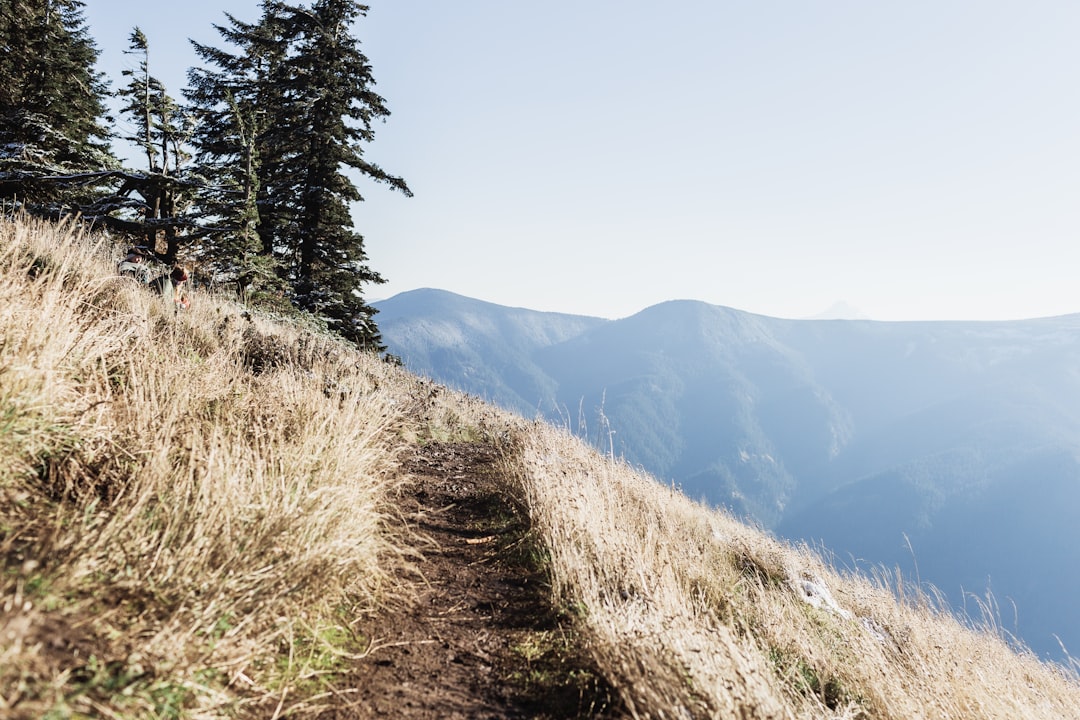
Overcrowding is its own environmental problem: it erodes trail edges, pushes wildlife away from established habitat, and pressures land managers into restrictions that make the trail harder to access for everyone. Choosing a less-photographed trail over the one currently trending isn’t a downgrade in experience — it’s often a quieter, less-trampled version of a similar landscape, with less trail damage and considerably less competition for parking.
Research the destination’s wildlife calendar before booking dates, too. Some trails restrict access seasonally to protect nesting or breeding wildlife; timing a trip around that, rather than in spite of it, is one of the highest-impact decisions available before you’ve even left home.
Get to the trailhead without defaulting to a solo drive
Transport to and from the trailhead is often the single largest carbon cost of a hiking trip, and it’s also the easiest one to plan around. Where a trail is reachable by train or public transit, that beats driving outright. Where driving is the only option, carpooling with other hikers — through a local hiking group or a liftshare network — cuts the per-person impact meaningfully without changing the trip itself.
Buy less gear, and buy it to last
The most sustainable piece of gear is the one already in your closet. Before buying anything new for a trip, check what secondhand marketplaces or gear-swap groups have first — used hiking gear in good condition is common and considerably cheaper. When something genuinely needs replacing, favor durable equipment from brands with credible environmental certifications over a cheaper piece likely to fail and get replaced again within a season.

Plan your waste before you’re on trail, not during
Waste planning that happens in the moment tends to fail. Planning it ahead works:
- Pack reusable containers and a water filter rather than single-use bottles — a simple filter (like a Sawyer Squeeze or equivalent) removes the need to carry in bottled water at all.
- Make trail snacks at home instead of buying individually wrapped packaged ones — it cuts packaging waste and is usually cheaper per serving.
- Bring a bag specifically for trash, including anything biodegradable like fruit peels — “it’ll compost anyway” is a common assumption and not one land managers or Leave No Trace guidance actually support on most trails.
- Carry it all the way home. Trailhead bins overflow fast on busy weekends and end up creating the exact problem they were meant to solve.
Respect the trail itself: durable surfaces, wildlife distance, and camp choices
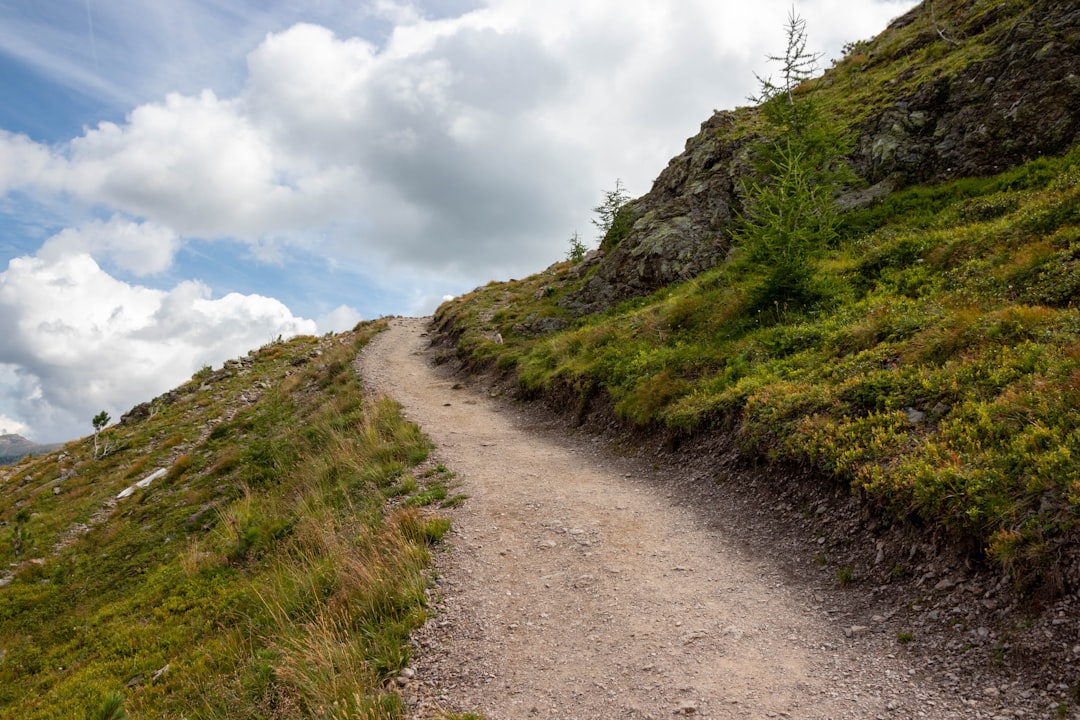
Stay on established trails rather than cutting switchbacks or creating new paths around muddy sections — that erosion compounds over a season and is one of the more visible forms of trail damage from otherwise well-intentioned hikers. If the trip includes camping, choose durable, already-impacted surfaces over untouched ground, and keep a genuine, researched distance from wildlife rather than approaching for a photo.
Leaving natural objects where they are — rocks, plants, an interesting bit of driftwood — sounds obvious until it’s a shell that would make a nice souvenir. A photo does the same job without the removal.
Frequently asked questions
What does “sustainable hiking” actually mean in practice?
It’s less about a single behavior on the trail and more about a set of decisions made before the trip: trail choice, trailhead transport, gear sourcing, and waste planning all matter more cumulatively than any one action during the hike itself.
Is it more sustainable to hike a popular trail or an off-the-beaten-path one?
Generally the quieter trail, since overcrowding accelerates erosion and pushes wildlife out of habitat. That said, a popular trail hiked respectfully and off-peak is still far better than an unresearched trip into a genuinely fragile, low-traffic ecosystem.
Do I need to buy special “eco” gear to hike sustainably?
No — the most sustainable option is usually gear you already own or can buy secondhand. New gear is only the better choice when something is worn out and needs replacing.
How do Leave No Trace principles apply before the trip even starts?
Several of the seven principles are entirely pre-trip decisions: researching regulations and wildlife seasons, planning waste disposal, and choosing durable-surface routes all happen at the planning stage, not on the trail.
The planning stage is where sustainability actually happens
By the time boots hit the trail, most of the impact of a hiking trip has already been decided — in the trail chosen, the ride to the trailhead, and what’s already packed. Treat those as the real sustainability decisions, and the on-trail behavior most people already know (pack it out, stay on the path) becomes the easy part. For the gear side of this, see Lush Nomad’s minimalist packing guide and how to plan a camping trip.