
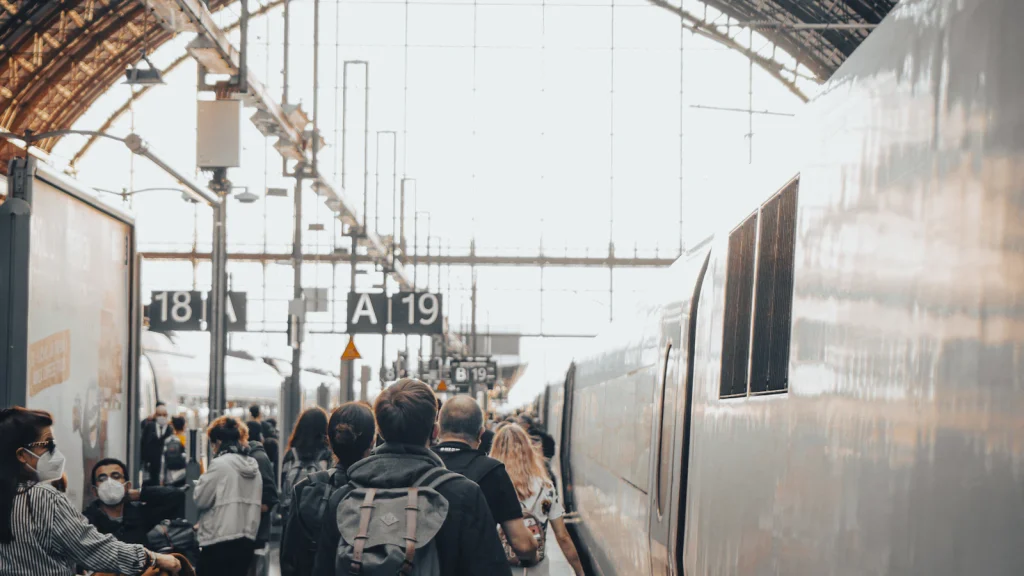
A lighter bag makes every transfer easier. The tradeoff is a small wardrobe, regular washing, and giving up the just-in-case objects that feel reassuring at home and useless on a platform in Ljubljana.
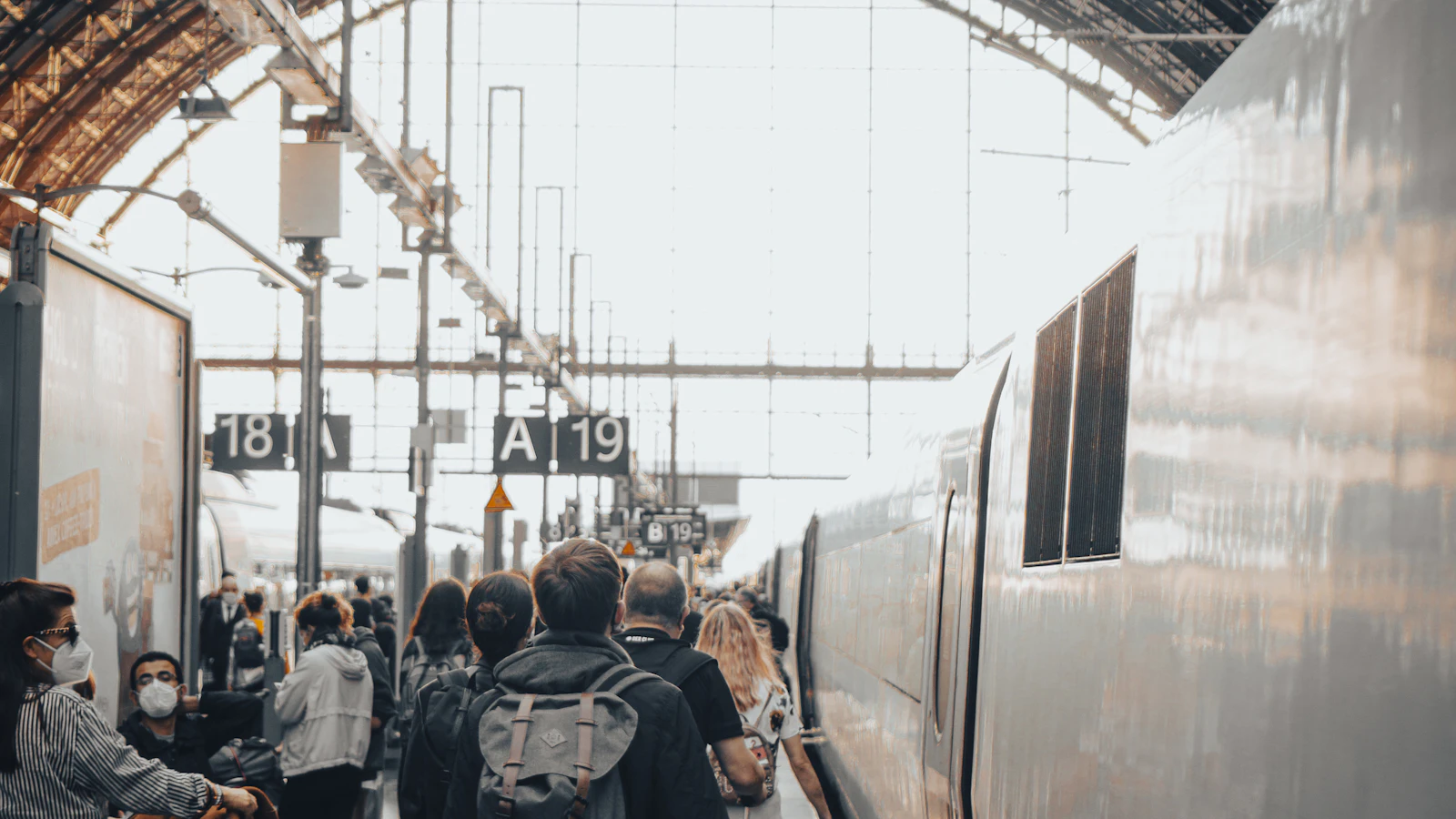
Most backpacking Europe packing lists tell you what to bring and never what it weighs. So you reach a Ryanair gate with a bag that clears the size template and fails the scale. Europe’s budget airlines weigh cabin bags; American carriers largely do not. That one difference decides whether your list survives the trip.
So this list starts with a number rather than a wardrobe. Decide the weight, then spend it.
The Short Answer
A practical backpacking Europe packing list fits about one week of clothing into a bag you can carry comfortably: five tops, two or three bottoms, one warm layer, one rain shell, seven sets of underwear and socks, sleepwear and two pairs of shoes. Add documents, medication, a compact toiletry kit, phone power, a plug adapter, a day bag, laundry supplies and hostel-specific items.
That is the same list whether you are gone two weeks or three months. Trip length changes how often you do laundry, not how much you carry.
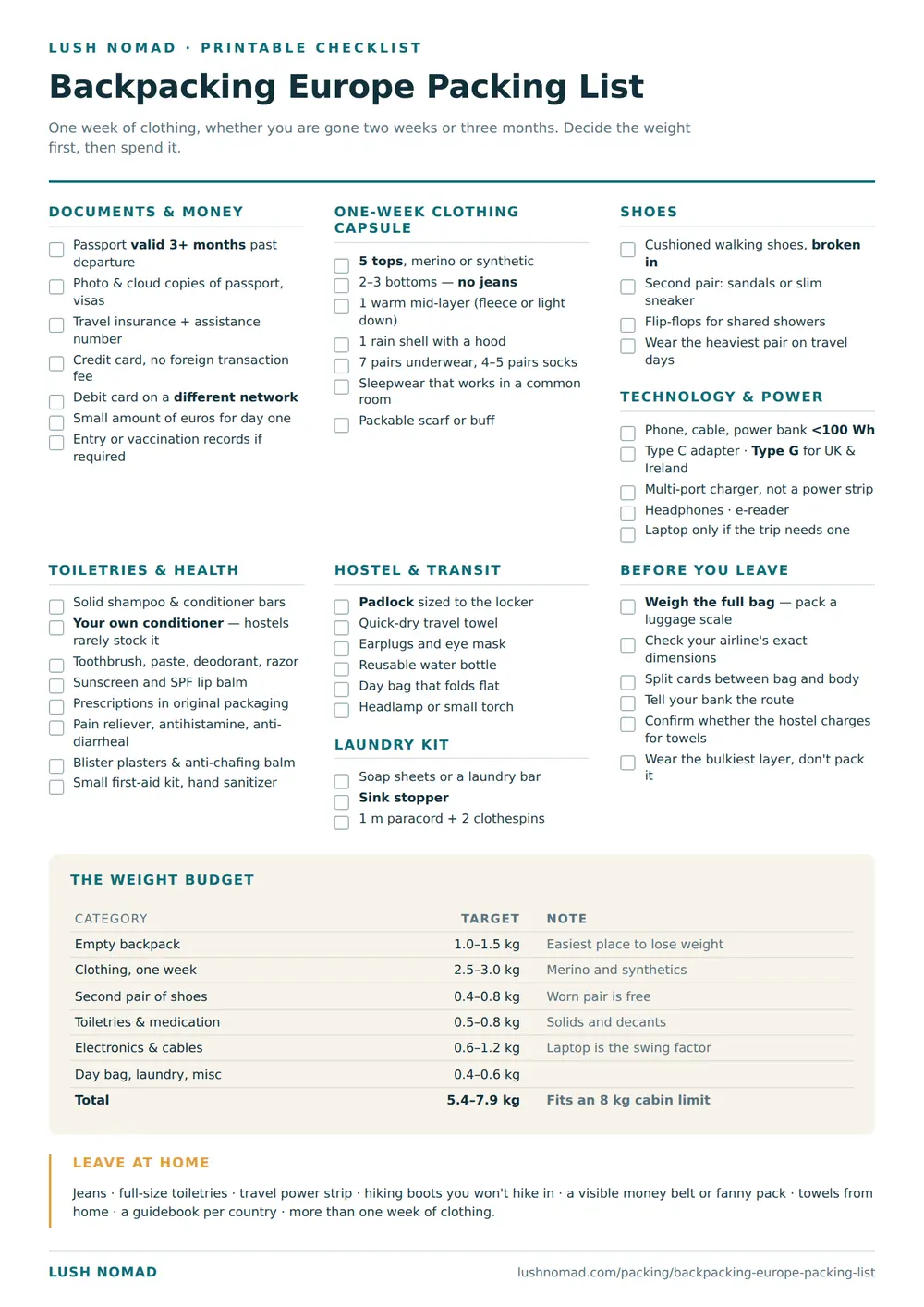
The whole list on one page — click to download the printable PDF.
The Weight Budget: What Eight Kilos Buys You
Budget carriers set cabin allowances between roughly 8 and 10 kg and enforce them at the gate. European airlines “have very strict weight standards (8Kg/18 lbs),” writes one traveler whose bag was forced into the hold after a month of carry-on travel. The first thing she wished she had packed was a luggage scale.
| Category | Target | Notes |
|---|---|---|
| Empty backpack | 1.0–1.5 kg | The easiest place to lose weight |
| Clothing (one week) | 2.5–3.0 kg | Merino and synthetics; cotton hurts here |
| Shoes (second pair) | 0.4–0.8 kg | The worn pair costs you nothing |
| Toiletries and medication | 0.5–0.8 kg | Solids and decants, not full bottles |
| Electronics and cables | 0.6–1.2 kg | Laptop is the swing factor |
| Day bag, laundry kit, misc | 0.4–0.6 kg | — |
| Total | 5.4–7.9 kg | Fits an 8 kg cabin limit with margin |
Two things fall out of that. A 1.9 kg backpack spends a quarter of the allowance before you put anything in it. And a laptop weighs roughly as much as your entire clothing capsule.
What Size Backpack for Backpacking Europe
The question is really about your route. A bag that suits three months of slow trains is the wrong bag for ten days of cheap flights.
| Size | Best for | Watch out for |
|---|---|---|
| 30–35 L | Two weeks or less, warm season, frequent budget flights | Tight once a winter coat is involved |
| 40 L | The default for one-bag Europe, any trip length | Easy to pass the size check and fail the scale |
| 45–50 L | Winter, camping gear, photography kit | Usually needs a paid cabin upgrade or the hold |
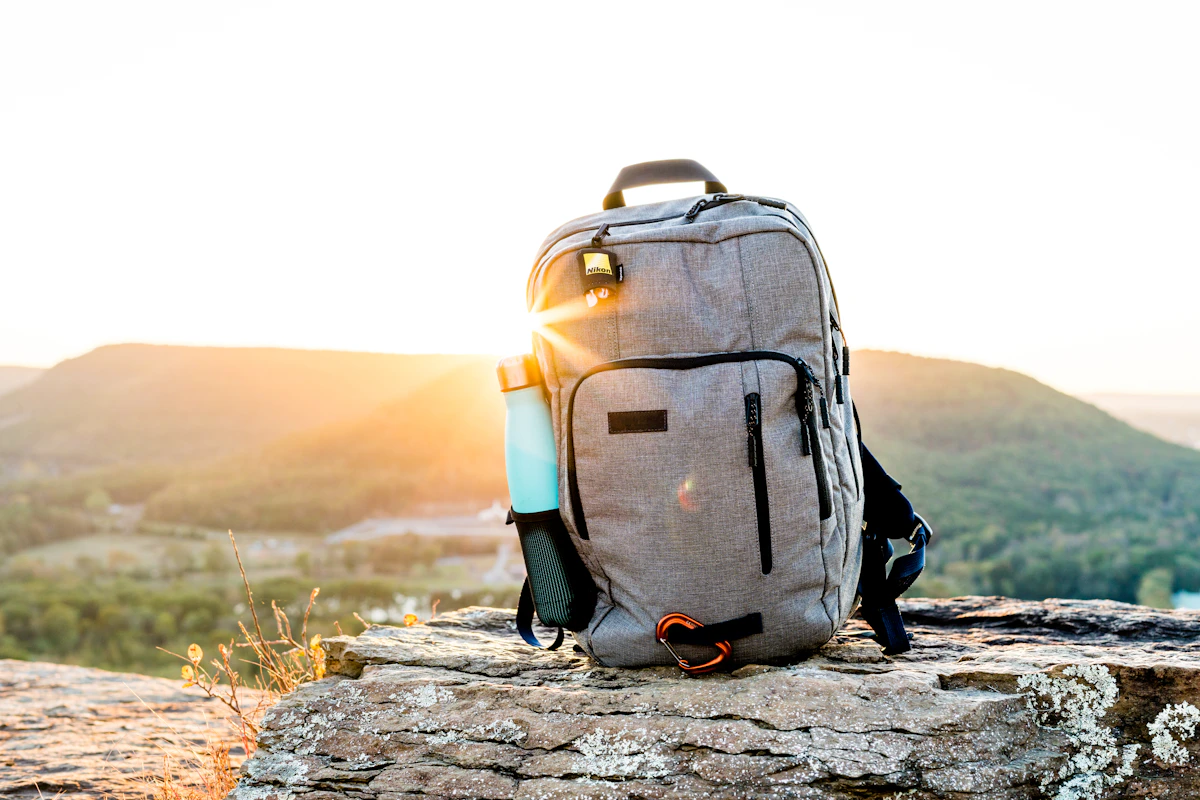
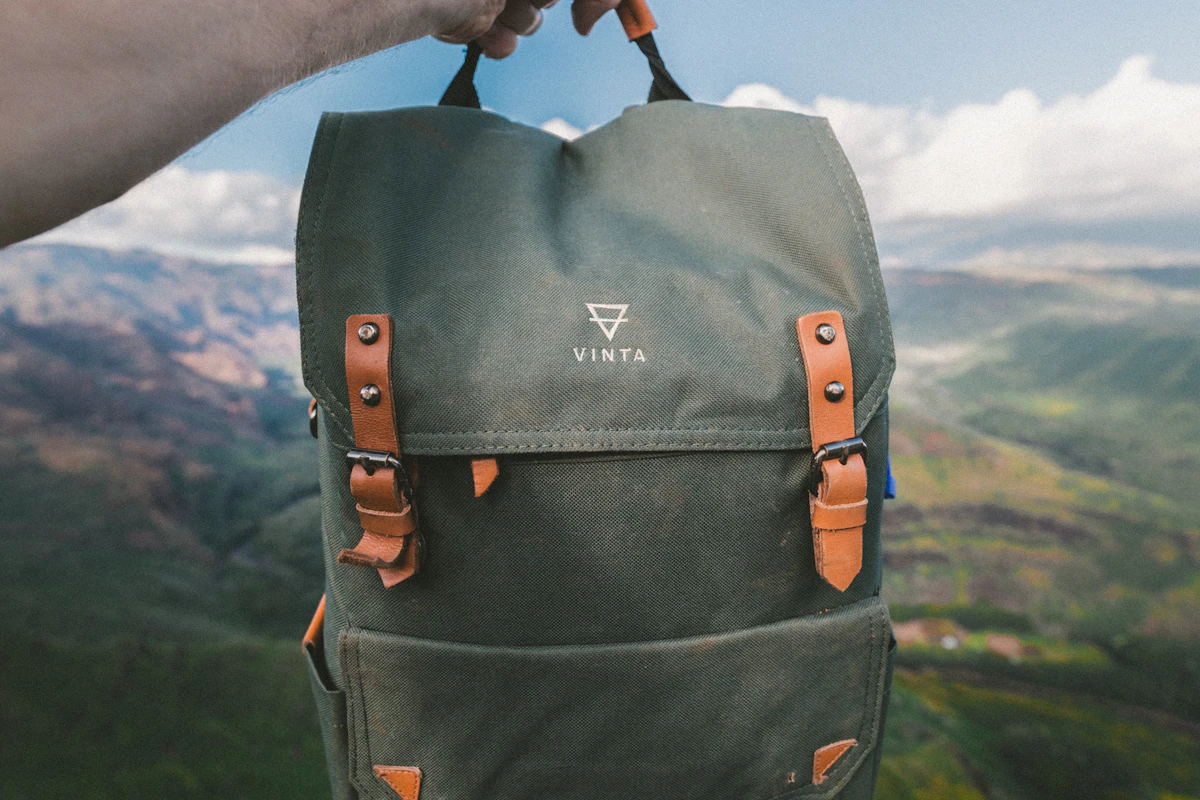
Front-loading panel access beats top-loading for hostel living, a real hip belt matters more than litres past about 8 kg, and you should check your airline’s exact dimensions. The best backpack for backpacking Europe is the smallest one your route allows — capacity gets used.
The Backpacking Europe Packing Checklist
Documents and money
- Passport valid at least three months beyond your departure from the Schengen area
- Photo and cloud copies of passport, visas and insurance
- Travel insurance details with the emergency assistance number
- A no-foreign-fee credit card plus a debit card on a different network
- A small amount of euros for day one — Germany and rural areas are still cash-friendly
The one-week clothing capsule
- 5 tops, mixed sleeve lengths, merino or synthetic
- 2–3 bottoms — no jeans; they are heavy, slow to dry and the most regretted item on any list
- 1 warm mid-layer and 1 hooded rain shell
- 7 pairs of underwear, 4–5 pairs of socks
- Sleepwear that also works in a hostel common room
- A packable scarf or buff, which doubles as an eye mask and a cathedral shoulder cover
Toiletries and health
- Solid shampoo and conditioner bars, which skip the liquids allowance entirely
- Your own conditioner if your hair needs it — hostels rarely stock any
- Sunscreen, SPF lip balm, deodorant, razor, toothbrush and paste
- Prescriptions in original packaging, plus pain reliever, antihistamine and anti-diarrheal
- Blister plasters and anti-chafing balm
Technology and power
- Phone, cable and a power bank under 100 Wh — cabin only, never the hold
- Type C adapter for the continent, Type G for the UK and Ireland
- A multi-port charger instead of separate bricks
- Headphones and an e-reader rather than paperbacks
Hostel, transit and laundry
- Padlock sized to the locker rather than your bag
- Quick-dry travel towel, shower flip-flops, earplugs and an eye mask
- Reusable water bottle and a day bag that folds flat
- Soap sheets, a sink stopper and a metre of paracord
- A luggage scale — the cheapest item here and the one most often left off
What Experienced Backpackers Say
These are not our opinions. They come from people who had already made the trip and wrote down what went wrong — public forum threads and first-person accounts, quoted with links to the originals.
Weight is the first thing everyone mentions
After you pack, weigh your backpack. Try to keep it under 25 lbs. max!
Whatever you pack, you must carry around for the entire three weeks. You will curse the extra weight.
The Savvy Backpacker’s guide sets an even tighter ceiling at 20 to 22 lbs, tied directly to budget-airline limits. Three independent sources, one range.
The 8 kg gate is the constraint North Americans miss
European airlines have very strict weight standards (8Kg/18 lbs) and forced me to check my bag.
The first thing she wished she had packed was a luggage scale. US domestic carriers rarely weigh cabin bags, so the habit never forms at home.
Saved $1,000+ extra in baggage fees over the past few years.
Jeans, and the laundry that decides your wardrobe
LEAVE THE JEANS BEHIND — they are heavy, sweaty in heat, pain to wash, miserable when wet.
You can wash them in your room and hang out to dry. That way you will need only about three changes of clothing.
Three changes is the extreme version; a week is the comfortable one. Either way the laundry cadence sets the wardrobe, not the trip length. Gill puts a price on the alternative: accommodation laundry ran five dollars a pair.
Shoes and showers
These flats weren’t particularly comfortable, and I could feel the cobblestones dig into the sole of my foot.
Emily Pogue, Business Insider, six months backpacking Europe
Flipflops/zorries — slippers AND footwear in a questionable shower.
One cushioned pair already broken in, worn on travel days so it costs no bag weight, plus a second pair that is not a duplicate. Flip-flops are under 200 grams and solve a problem nothing else does.
Where the money goes missing
NEVER EVER EVER PUT YOUR MONEY OR IMPORTANT THINGS IN A FANNY PACK!!!! They are very very easy to cut off.
Passport, one card and phone on your body; second card and emergency cash in the locker. Most hostel theft is opportunistic, so a locked bag is enough.
Two gaps no packing list mentions
Most hotels we stayed at only had body wash and shampoo.
This big rectangle ended up being a nuisance. It was incredibly bulky, and if I plugged two or more things into it, a spark would shoot off.
Bring your own conditioner, and swap the power strip for a four-port USB charger at a tenth the volume.
Adjust for Season and Region
Europe is not one climate. A list that works in Seville in July fails in Tallinn in October.
| Season and region | Add | Skip |
|---|---|---|
| Summer, southern Europe | Sun hat, extra top, sandals | Warm mid-layer, thermal base |
| Summer, northern Europe | Light fleece, rain shell | Heavy jacket |
| Shoulder season, anywhere | Thermal base, warmer mid-layer, beanie | Shorts, sandals |
| Winter, central and northern Europe | Insulated jacket, gloves, warm hat, wool socks | Anything summer-weight |
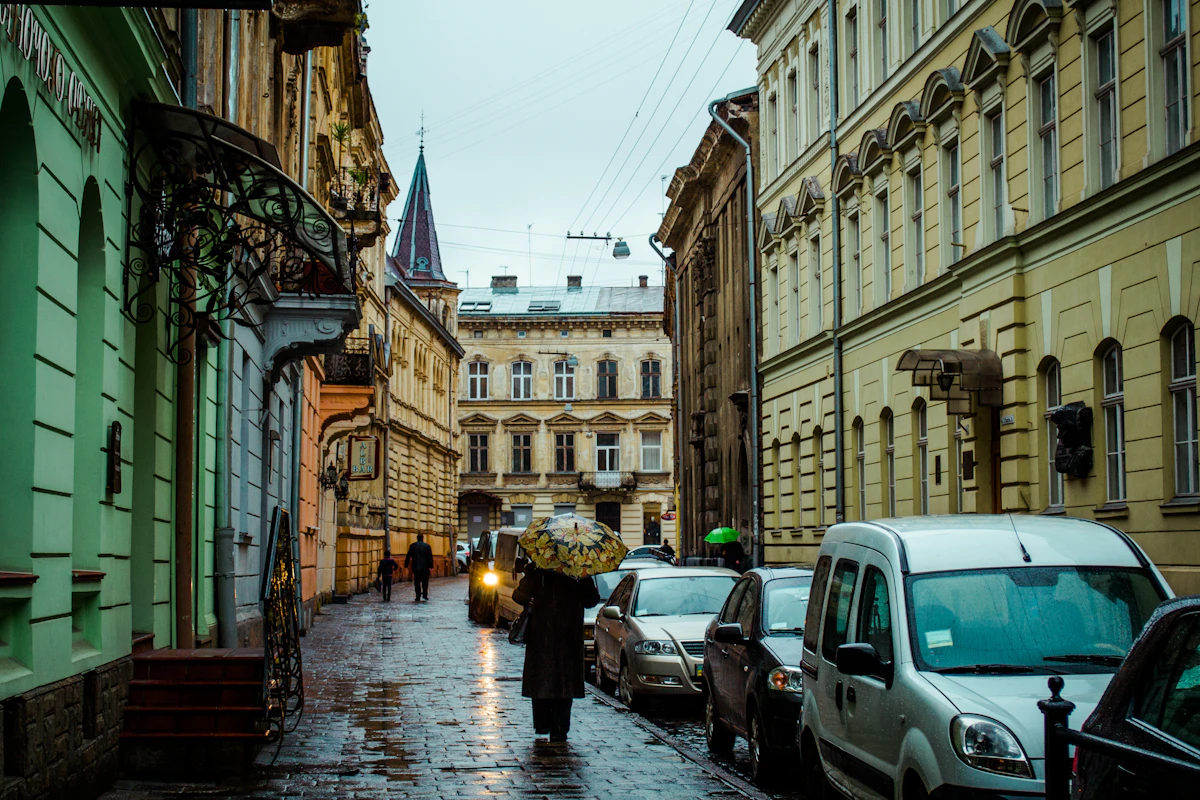
| Wet season, Atlantic coast and UK | Hooded rain shell, waterproof bag liner | An umbrella, which the wind takes |
In winter, wear the bulkiest layer rather than packing it. A jacket on your body is free.
What Not to Pack for Backpacking Europe
- Jeans, and more than one week of clothing
- Full-size toiletries — solid bars and decants; Europe sells shampoo
- A travel power strip, hiking boots you will not hike in, towels from home
- A visible money belt, and anything you would be upset to lose
Print the List Before You Pack
Download the printable checklist and tick it off on paper, or use the Travel Packing List Generator to build a version for your route and season. Then weigh the bag. The number is the only part of this list that cannot be argued with.
Continue packing: What to Pack for a Europe Trip · Carry-On Packing List · Travel Toiletries List · How to Pack a Suitcase Efficiently
Editorial note: Airline limits, entry requirements, local laws, weather and accommodation facilities can change. Check the relevant official and property-specific guidance before departure.
Frequently Asked Questions
Is a 40L backpack enough for backpacking Europe?
Yes for most routes and seasons. Winter or camping gear pushes toward 45 L; summer in southern Europe fits in 30 to 35 L.
What size backpack for backpacking Europe if I am flying budget airlines?
Check the airline’s dimensions, not the litres. Most 40 L packs clear standard templates, but weight is usually the binding constraint, not size.
How much should a Europe backpack weigh?
Aim for 7 to 9 kg fully packed. Budget carriers set cabin limits around 8 to 10 kg, and anything past 10 kg is unpleasant on stairs.
What should I bring backpacking Europe that first-timers forget?
A luggage scale, soap sheets and a sink stopper, shower flip-flops, a padlock sized to hostel lockers, and your own conditioner.
How many clothes should I pack for backpacking Europe?
About one week: five tops, two or three bottoms, one warm layer, one rain shell, seven sets of underwear. The same capsule works for three months.
How do you pack for 2 weeks in Europe in a carry-on?
Pack the one-week capsule and plan one laundry session in the middle. Choose fabrics that dry overnight and wear your heaviest shoes and jacket on travel days.
Do I need packing cubes?
They do not save space, but they make a front-loading backpack usable in a dorm, because you can find one item without unpacking onto a bunk.
Do you need to plan laundry when backpacking Europe?
Yes — the laundry cadence determines the size of the wardrobe. Plan a wash every five to seven days and carry a soap sheet and a sink stopper.
Can I use the same list for two weeks and two months?
Yes. Only consumables and laundry frequency scale with trip length. Extra clothing is weight you carry through every transfer for months.
What should you not pack for backpacking Europe?
Jeans, full-size toiletries, a travel power strip, hiking boots you will not hike in, a visible money belt, towels from home, and more than one week of clothing.