
An all-inclusive covers food, drinks and pool towels. It does not cover a swimsuit that never dries overnight, a steakhouse that turns away men in shorts, or small bills for the bartender who remembers your order. This list is built around that gap.
An all-inclusive resort packing list is shorter than a normal beach list in some places and longer in others, and knowing which is which is most of the work. The wristband covers food, drinks, pool towels, and usually a hair dryer and a safe. It does not cover a swimsuit that never dries overnight, a steakhouse that turns away men in shorts, small bills for the bartender who remembers your order, or the reef-safe sunscreen a national park will make you buy at its own gift shop.
So this list is organized around that gap. Bring what the resort will not hand you, check the things that vary from property to property, and skip the items that quietly take up half a suitcase.
The Short Answer
For a week at a Caribbean or Mexican all-inclusive, most travelers need: three to four swimsuits, five to six daytime outfits, two to three dinner outfits, one pair of closed-toe or dressy shoes, sandals, flip-flops, a hat, sunglasses, high-SPF and reef-safe sunscreen, aloe, basic medications, an insulated tumbler, a beach bag, a portable charger, a travel adapter if needed, and roughly $80 to $150 in small US bills for tipping.
Skip the beach towels, hair dryer, pool floats, and full-size toiletries. Almost every resort has the first two, most ban the third, and the fourth is what your liquids allowance dies for.
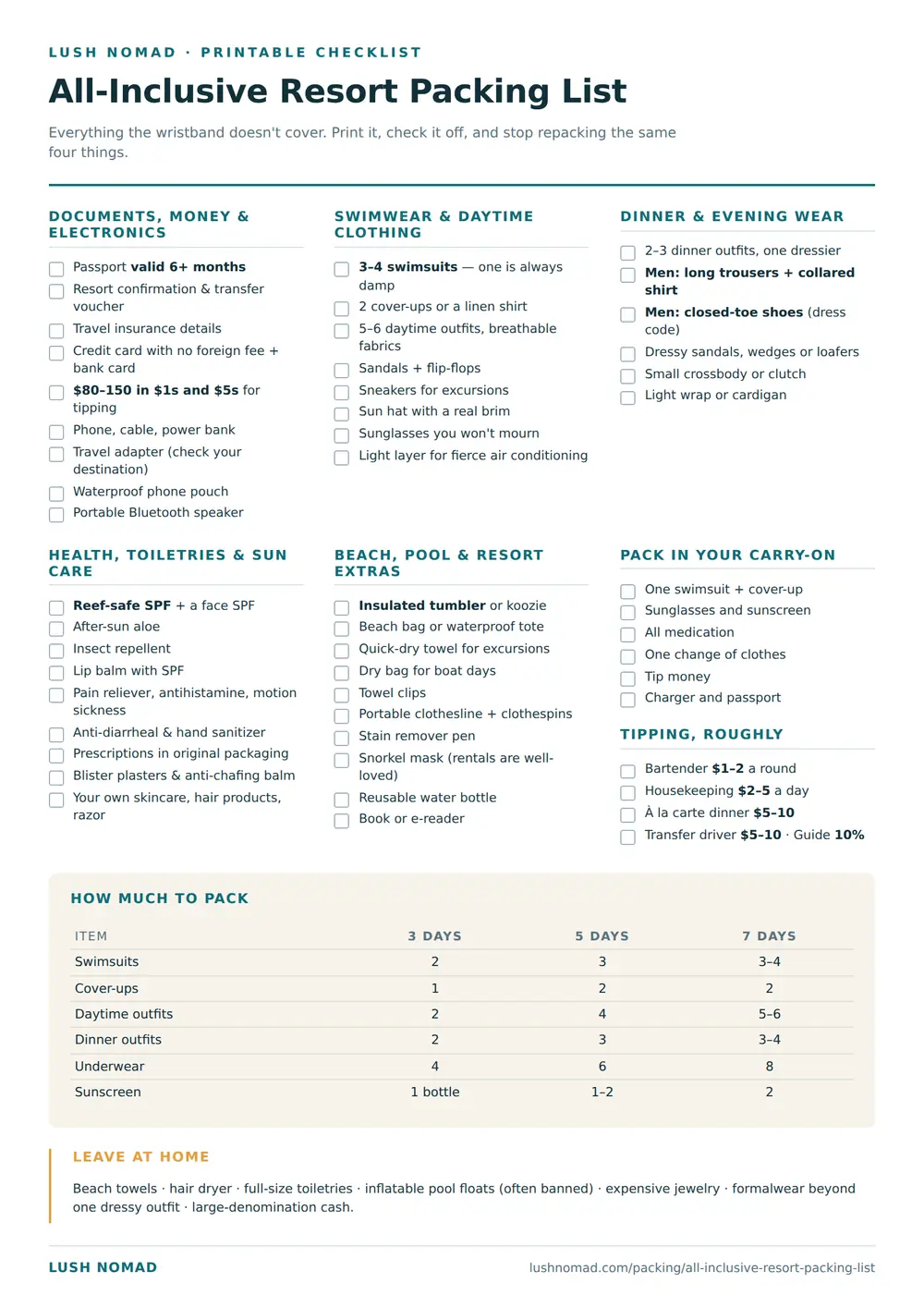
The whole list on one page — click to download the printable PDF.
Ask the resort to check your list
Opens your own mail app with the checklist attached. Nothing is sent from this page.
What the Resort Provides (and What It Doesn’t)
This is the single most useful check to run before you pack anything. Amenities vary by brand and room category, so confirm on the resort’s own site or by emailing the concierge. A four-star property in Punta Cana and a boutique adults-only in Tulum can differ wildly on the same line item.
| Item | Usually provided | Bring your own if |
|---|---|---|
| Pool and beach towels | Yes, at a towel hut with a card system | You want a quick-dry travel towel for excursions |
| Hair dryer | Yes, in-room | You have thick or curly hair; resort dryers are weak |
| Shampoo, conditioner, body wash | Yes, often dispenser-mounted | You are particular about your hair or skin |
| Beach chairs and umbrellas | Yes | Never — do not pack a chair |
| Sunscreen | Rarely; sometimes sold at a markup | Always. Bring more than you think |
| Pool floats and inflatables | Often prohibited | Check first; many resorts ban outside floats |
| In-room safe | Yes | It’s usually free; a few charge a daily fee |
| Coffee maker or kettle | Sometimes | You need morning coffee before the buffet opens |
| Insulated cups | No | Always. Resort glasses are small and warm fast |
| Beach toys for kids | Sometimes at the kids’ club | You want them at the beach, not the club |
| Umbrella or rain poncho | No | You are traveling in the wet season |
The Core All-Inclusive Packing Checklist
Documents, money and electronics
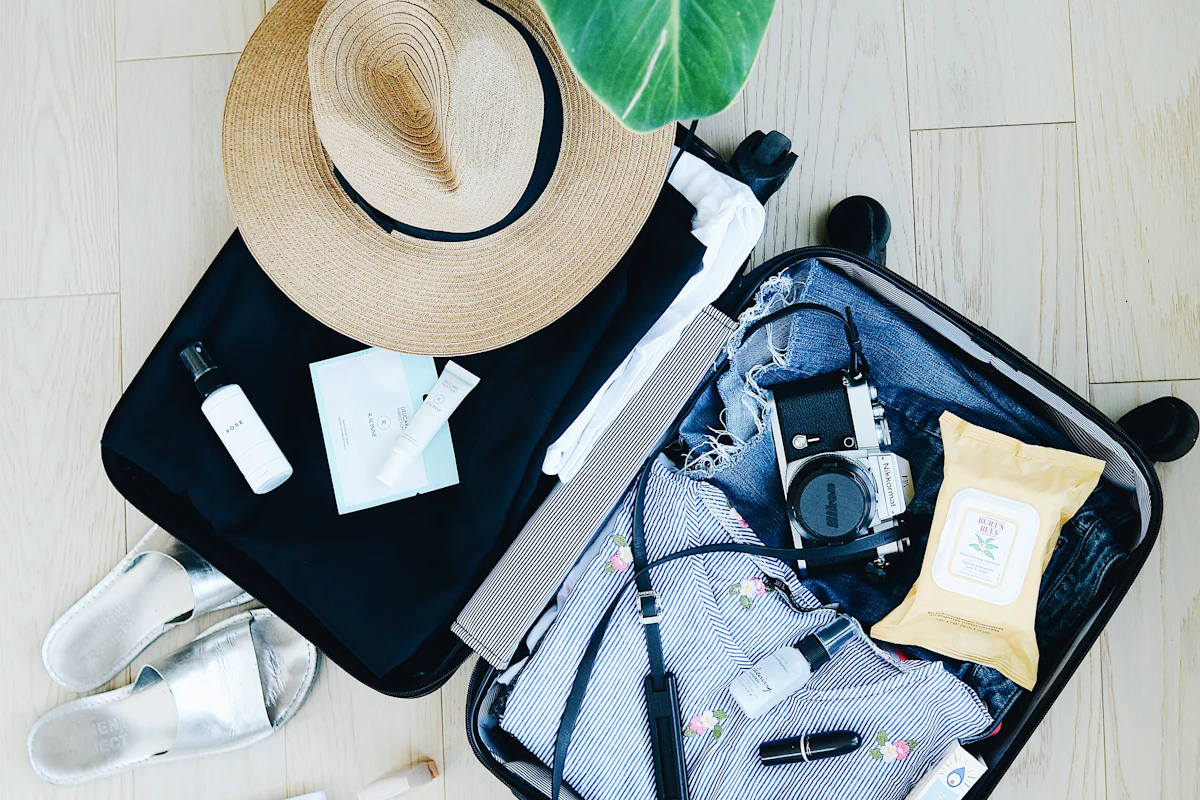
- Passport valid at least six months beyond your travel dates
- Printed and digital copies of your resort confirmation and transfer voucher
- Travel insurance details
- One or two credit cards with no foreign transaction fee, plus a bank card
- Small US bills for tipping: mostly $1s and $5s
- Phone, charging cable, and a power bank for long beach days
- Travel adapter if your destination uses a different plug (Mexico and most of the Caribbean use US-style plugs; check for Jamaica, Aruba, and Europe-adjacent islands)
- Waterproof phone pouch for boat days
- Portable Bluetooth speaker, used at a volume your neighbors would tolerate
Swimwear and daytime clothing
- Three to four swimsuits, so one is always dry
- Two cover-ups or a linen shirt that survives lunch at the buffet
- Five to six daytime outfits in breathable fabrics
- Sandals or flip-flops for the pool
- Walking shoes or sneakers for excursions
- Sun hat with a real brim, and sunglasses you would not cry over losing
- Light layer for over-air-conditioned restaurants and the flight home
Dinner and evening wear
- Two to three dinner outfits, one of them slightly dressier than you think you need
- For men: at least one pair of long trousers and a collared shirt, plus closed-toe shoes
- Dressier sandals, wedges, or loafers
- A small crossbody or clutch
- One light wrap or cardigan for open-air restaurants with strong fans
Health, toiletries and sun care
- Reef-safe, high-SPF sunscreen, plus a face-specific SPF
- After-sun aloe, which costs three times more at the resort shop
- Insect repellent, especially for jungle-adjacent and evening dining
- Lip balm with SPF
- Pain reliever, antihistamine, motion sickness tablets, and an anti-diarrheal
- Any prescriptions in original packaging, packed in your carry-on
- Blister plasters for shoes you have not broken in
- Anti-chafing balm, which sounds unnecessary until day three
- Hand sanitizer and a small first-aid kit
- Your own skincare, hair products, and razor
Beach, pool and resort extras
- Insulated tumbler or koozie; the poolside pours are generous but small
- Beach bag or waterproof tote
- Quick-dry travel towel for off-property days
- Waterproof dry bag for boat excursions
- Small clip-on fan or handheld mister if you run hot
- Towel clips, since the sea breeze does not respect your book
- Portable clothesline and a few clothespins
- A stain remover pen, which will earn its space at least once
- Snorkel mask if you are particular; rentals are usually available but well-loved
- Reusable water bottle
- Book or e-reader
How Much to Pack: 3, 5 and 7 Days
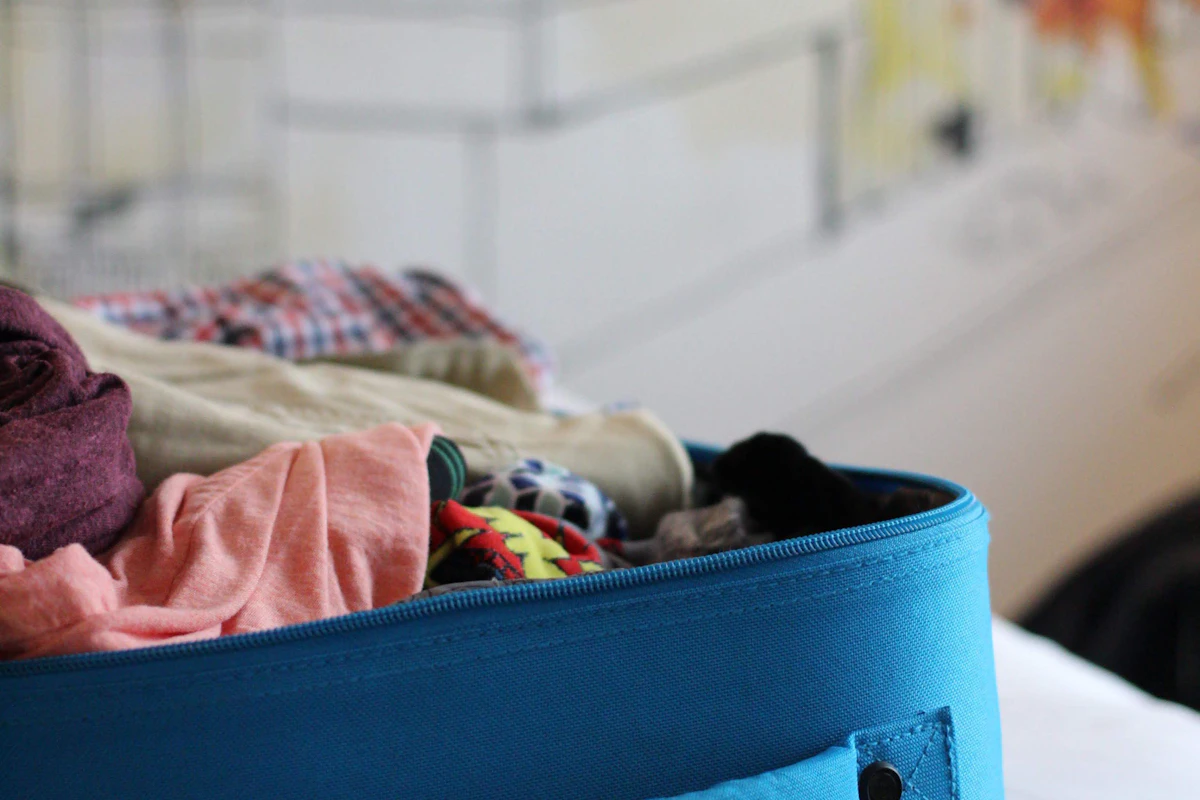
Quantities are where most packing lists go vague. This assumes a warm-weather resort, one or two nicer dinners, and access to laundry only if you pay for it.
| Item | 3 days | 5 days | 7 days |
|---|---|---|---|
| Swimsuits | 2 | 3 | 3–4 |
| Cover-ups | 1 | 2 | 2 |
| Daytime outfits | 2 | 4 | 5–6 |
| Dinner outfits | 2 | 3 | 3–4 |
| Underwear | 4 | 6 | 8 |
| Pajamas | 1 | 1–2 | 2 |
| Sandals / flip-flops | 1 + 1 | 1 + 1 | 1 + 1 |
| Dressier shoes | 1 | 1 | 1 |
| Sneakers | Only with an excursion | 1 | 1 |
| Sunscreen | 1 bottle | 1–2 bottles | 2 bottles |
Two rules make these numbers work. Swimsuits are the only category where you should overpack, because tropical humidity means an overnight suit is a damp suit. Everything else can repeat, because resort days generate very little laundry beyond salt and sunscreen.
Pack the First Resort Day in Your Carry-On
Airport transfers in Cancún, Montego Bay and Punta Cana can take an hour or more after landing, and checked bags do not always arrive on the same plane. Put one swimsuit, a cover-up, sunglasses, sunscreen, medication, a change of clothes, and your tip money in your carry-on. It costs you almost nothing and buys back your first afternoon.
If you and a travel partner are checking bags, split your clothes across both. One delayed suitcase then inconveniences two people slightly instead of ruining one person’s week.
Read the Restaurant Dress Code Before You Pack Shoes
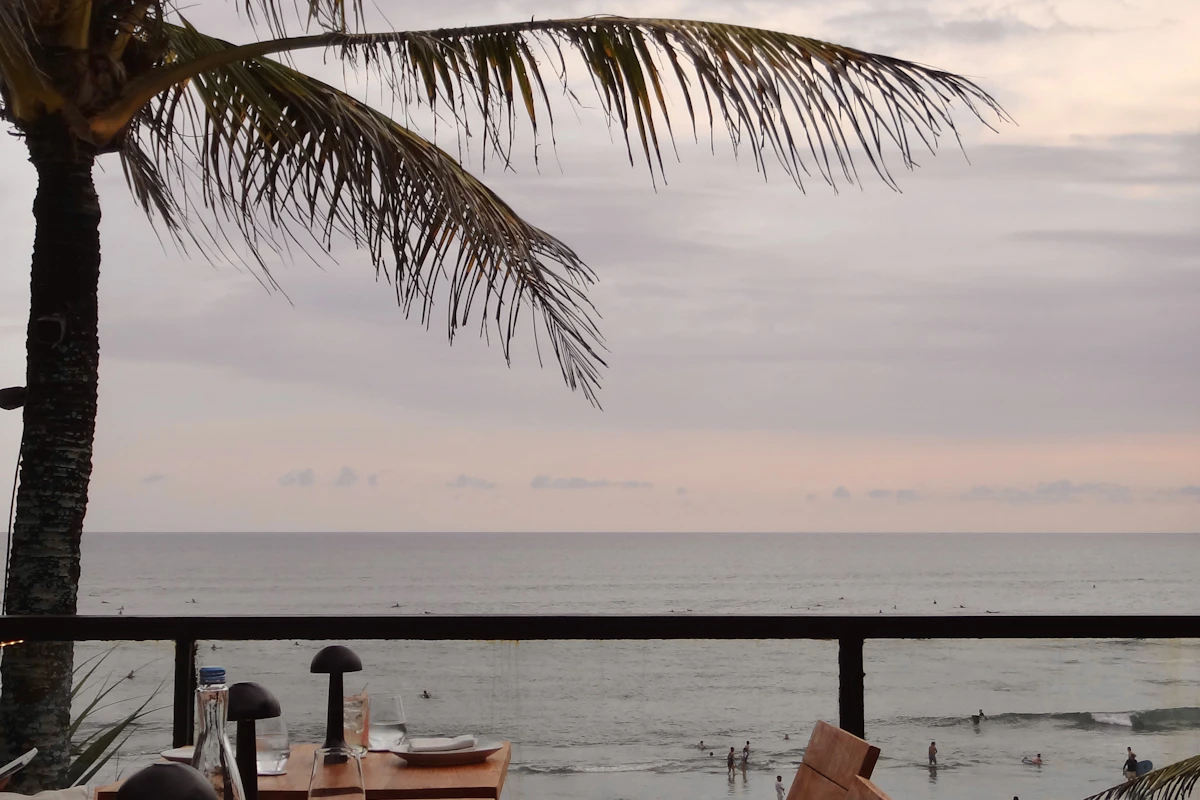
The dress code is the most common packing mistake at all-inclusives, and it is almost always the men who get turned away. Buffets are casual. The à la carte restaurants — the steakhouse, the French place, the Japanese teppanyaki room you booked on arrival day — usually require long trousers and closed-toe shoes for men after 6 p.m., and something more considered than a beach cover-up for everyone.
A few resorts phrase this as “elegant casual,” which in practice means no swimwear, no tank tops, no flip-flops, and no visibly damp anything. Check the dress code page on your resort’s website before you decide whether to bring dress shoes. One pair of clean loafers or dressy sandals covers almost every property.
Cash and Tipping: How Much to Bring
Most all-inclusives state that gratuities are included, which is true in the sense that you are not obliged to tip. In practice, small bills change the pace of your week noticeably, particularly at a busy swim-up bar. US dollars are widely accepted in Mexico, the Dominican Republic and Jamaica, but small denominations are hard to obtain once you arrive, so bring them from home.
| Service | Typical tip | Notes |
|---|---|---|
| Airport porter | $1–2 per bag | Have it ready before they load |
| Shuttle or transfer driver | $5–10 | More for a private transfer |
| Bartender | $1–2 per round | A $5 early in the trip is remembered |
| Waiter (à la carte dinner) | $5–10 per meal | Buffet servers, $1–2 |
| Housekeeping | $2–5 per day | Leave it daily, not at the end |
| Butler or concierge | $10–20 for the stay | Only if the service is genuinely used |
| Excursion guide | 10% of tour cost | Cash, in the local currency or USD |
A reasonable budget is $80 to $150 in ones and fives for a week for two people, plus a little extra for excursions.
Sun, Reef Rules and What Nobody Warns You About
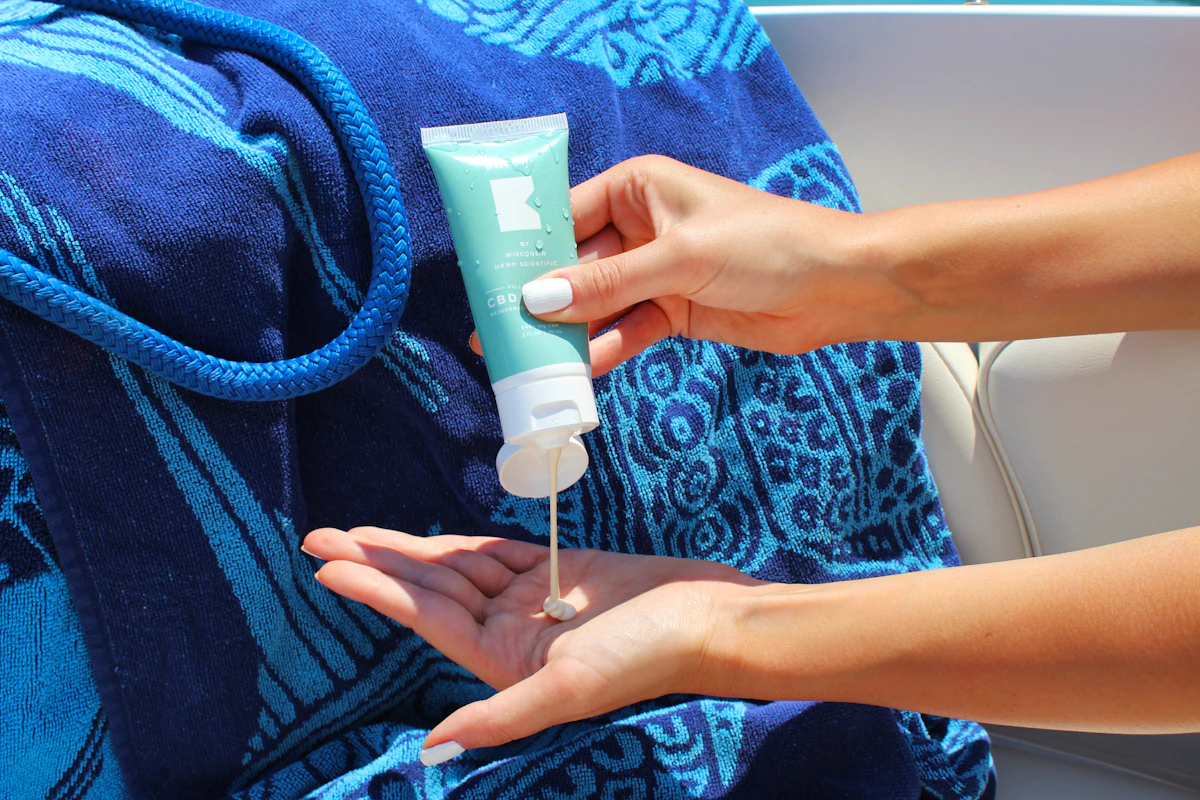
Several destinations restrict sunscreen chemicals in the water. Hawaii, Key West, Palau, Bonaire and Aruba have banned or restricted oxybenzone and octinoxate, and Mexico’s cenotes and eco-parks such as Xcaret and Xel-Há typically require biodegradable sunscreen and will hold non-compliant bottles at the entrance. Buying a compliant mineral sunscreen at home is far cheaper than buying it at a park gift shop.
Three other resort realities worth planning around. Swimsuits genuinely do not dry overnight in high humidity, which is why the portable clothesline and the extra suit both earn their space. Air conditioning in resort restaurants is often aggressive, so a light layer is not optional. And sunscreen consumption is roughly double what you would use at home, because you are reapplying after every swim in a place where the UV index sits near the top of the scale by mid-morning.
Off-Property Days and Excursions
If you plan to leave the resort — for a cenote, a catamaran, a Mayan site, a rum tour — a handful of items move from optional to necessary: closed-toe walking shoes, a dry bag, a quick-dry towel, insect repellent, a hat that stays on in wind, small bills for guides and vendors, and modest clothing that covers shoulders and knees for churches or religious sites. Excursions are also the one time you will want a physical copy of your resort details, since phone signal outside the property is unreliable.
Season and Weather
The Caribbean and Mexican Caribbean have a dry season roughly from December through April and a wet season from May through November, with Atlantic hurricane season running June 1 to November 30 and peaking in September. Wet-season travel does not usually mean washed-out days — it more often means a heavy afternoon downpour that clears — but it does mean packing a light rain layer, a waterproof phone pouch and quick-dry fabrics, and it makes travel insurance worth more than it costs.
Print This List Before You Pack
Download the printable checklist and check it off on paper, or use the Travel Packing List Generator to build a version for your exact trip length and traveler mix. The generator handles the quantities automatically, which is the part most people get wrong.
Continue packing: Beach Vacation Packing List · Cancún Packing List · Carry-On Packing List · Travel Toiletries List
Editorial note: Resort amenities, dress codes, tipping policies and transport rules can change. Check the property and relevant destination authorities before departure.
Frequently Asked Questions
How many swimsuits should I pack for a week at an all-inclusive?
Three or four. In tropical humidity a swimsuit rarely dries overnight, so the extra suit is about comfort at 9 a.m., not vanity.
Do all-inclusive resorts provide beach towels?
Almost always, through a towel hut with a card or wristband system. You may still want a small quick-dry towel for excursions.
Do I need cash at an all-inclusive resort?
Gratuities are typically included, but small US bills make a real difference at the bar, with housekeeping, and on transfers. Plan on $80 to $150 in ones and fives per couple per week.
How much do you tip at an all-inclusive resort?
Roughly $1 to $2 per drink round, $5 to $10 per à la carte dinner, $2 to $5 per day for housekeeping, $5 to $10 for the transfer driver, and about 10% for excursion guides.
Is there a dress code at all-inclusive resort restaurants?
Usually at the à la carte restaurants in the evening. Men generally need long trousers and closed-toe shoes; swimwear and tank tops are almost universally refused. Buffets stay casual.
Do I need to bring my own sunscreen?
Yes. Resorts rarely provide it and shop prices are steep. Bring more than feels reasonable, and choose a reef-safe mineral formula if your destination restricts oxybenzone and octinoxate.
Do all-inclusive resorts provide toiletries and hair dryers?
Most provide shampoo, conditioner, body wash, soap, and an in-room hair dryer. They rarely provide conditioner worth using on textured or color-treated hair, razors, or skincare.
Can you bring your own alcohol or snacks to an all-inclusive resort?
Policies vary, and many properties restrict outside alcohol in public areas. Snacks for transfers and late nights are generally fine; check the resort’s own policy page before packing a bottle.
What should I pack for a seven-day all-inclusive vacation?
Three to four swimsuits, five to six daytime outfits, three to four dinner outfits, one dressier pair of shoes, sandals, sneakers if you have an excursion, two bottles of sunscreen, aloe, a basic medicine kit, an insulated tumbler, and about $100 in small bills.
What should I not pack for an all-inclusive resort?
Beach towels, a hair dryer, full-size toiletries, pool floats, valuable jewelry, formalwear, and large-denomination cash.