
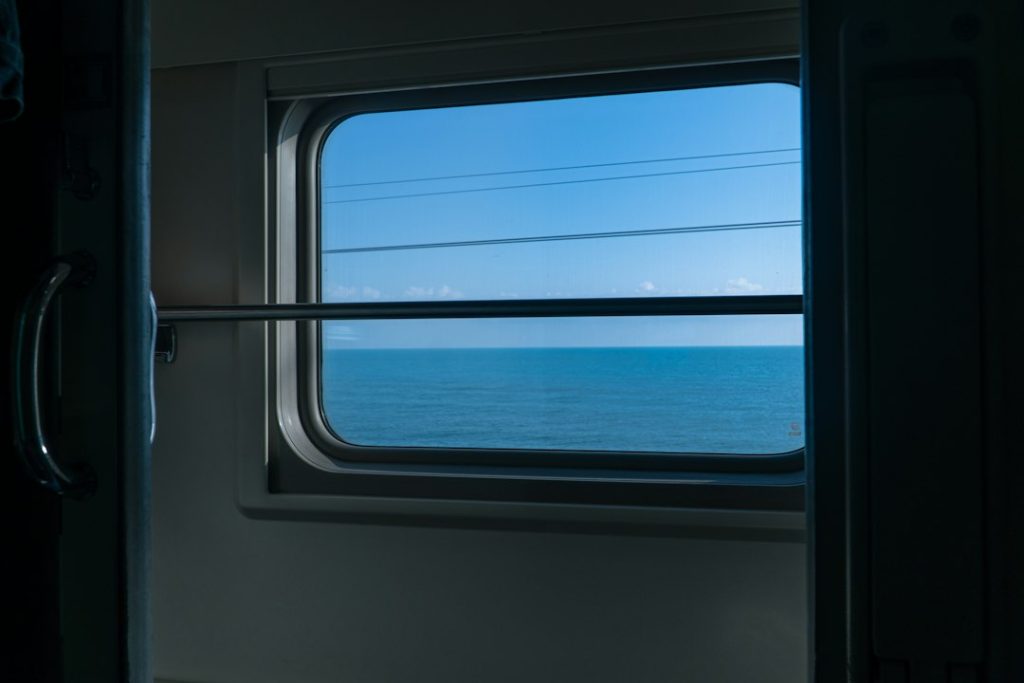
Solo weekend trips for women work best when the travel is simple enough to leave room for the trip itself. Two nights can be enough for a first independent journey, a museum day, a coastal walk or a quiet reset. Choose a destination you can reach without spending most of the weekend in transit, then give yourself one enjoyable plan and a comfortable place to return to.
There is no universal “best weekend city.” Your starting point, budget, season and desired pace matter. The ideas below are trip styles you can match to a real place near you, with a few examples to help you picture them.

Choose by travel time before choosing by fame
For a Friday-to-Sunday trip, calculate the door-to-door journey both ways: leaving home, reaching the hotel, and returning. A cheap ticket with a late connection can leave you with less usable time than a direct train or short drive. Check the last transport of the day and your accommodation's check-in policy before paying.
Pick a base where you can spend most of Saturday without repeatedly crossing the city. A short trip has little room for recovery from a difficult arrival, so familiar transport and a clear backup are worth more than a long list of attractions. If you are trying solo travel for the first time, our first-trip guide gives a broader preparation path.
Five styles of solo weekend
1. A museum-and-neighbourhood city break
This is the easiest format when you want plenty to do without joining a tour. Choose one museum, gallery or performance as your anchor, then stay in an area where you can eat and walk without planning every hour. Washington, DC, Boston and New York each offer different versions of a culture-focused trip in our US solo female destination guide. Whether any is a weekend choice for you depends on the route from home and the room price.
For a two-night stay, spend Friday arriving and having an easy dinner; Saturday on one major activity plus a neighbourhood; and Sunday on breakfast and a short walk before leaving. Check opening hours and any timed-entry requirement on the venue's official site.
2. A small-city food and walking weekend
A compact centre can make it pleasant to wander without a car or a crowded schedule. Savannah or Santa Fe might fit this style for travellers with a convenient route, but they are not cheap or easy from every origin. Look for a central stay and two or three things you truly want to do, then compare the full travel cost.
This format is especially good if your ideal solo time is browsing, eating and following your curiosity. A food tour or guided walk is optional company, not a requirement to make the trip count.
3. A coast-with-a-city-backup trip
If you want time near water, choose a place with more than one way to spend the day. San Diego, for example, can combine a beach visit with museums or neighbourhood time; compare the actual beach access and transport from the area where you would stay. Check weather and local conditions before making a swim or boat trip the centrepiece.
For a weekend, a coastal destination near home may be more useful than a distant island. The solo beach guide compares longer beach trips; this section stays focused on a two-night escape.
4. A nearby nature reset with a reliable base
A park, garden or gentle trail can be the point of a short trip. Choose a place with an official route, clear transport or parking, and accommodation you can return to before evening. Check the current weather, daylight and trail conditions directly. If the outing needs special gear or experience, choose a guided option or an easier route.
Build a rain plan: a café, museum or simply a restful day near your accommodation. A weekend should still be worthwhile if the weather changes.
5. A one-night local trial
If two nights feel expensive or hard to schedule, spend one night in a nearby town or another part of your own city. Book a room you like, plan a solo meal and choose one morning activity. This can test the practical parts of solo travel—arrival, dining, sleeping and making your own plan—without a complex itinerary.
You can use the experience to decide what kind of longer trip you want next. It is a real trip even if the map does not look dramatic.


A two-night plan that leaves room to breathe
| Time | One useful decision | Leave flexible |
|---|---|---|
| Friday | Arrival route, check-in and an easy meal | Evening activity |
| Saturday morning | One anchor experience | Exact start time if no booking is needed |
| Saturday afternoon | A nearby area or outdoor option | How long to stay |
| Sunday | Breakfast and return route | A short final walk |
Our weekend planning guide goes deeper on timing and packing. Do not try to fit three destination changes into a short break. If your top choices are far apart, choose one now and save the other for a later trip.
Practical checks for a woman travelling alone
Read current official destination advice and recent accommodation reviews. Confirm how you will reach your stay if transport runs late, and save the address offline. Share an arrival check-in with someone you trust if you want that backup. None of these steps guarantees safety; they make choices easier when plans shift. For specific precautions, use our women's travel safety guide.
Budget for the whole two nights, including transport, a room for one, meals and one paid activity. A short trip can become expensive if the fare is low but the arrival needs a taxi or the hotel is far from everything you want to do.
Frequently asked questions
Is a weekend long enough for a first solo trip?
Yes, if you choose a manageable route and one base. A short trip lets you practice the decisions of travelling alone without committing to a long itinerary.
Where should I go for a solo weekend as a woman?
Start with places you can reach directly from home. Then compare the accommodation area, activities you want, full cost and current destination conditions. The answer will differ by your origin and travel style.
Do I need a packed itinerary?
No. One anchor activity and one optional plan each day are enough for many two-night trips. Leave room for a slower meal, a longer walk or rest.