
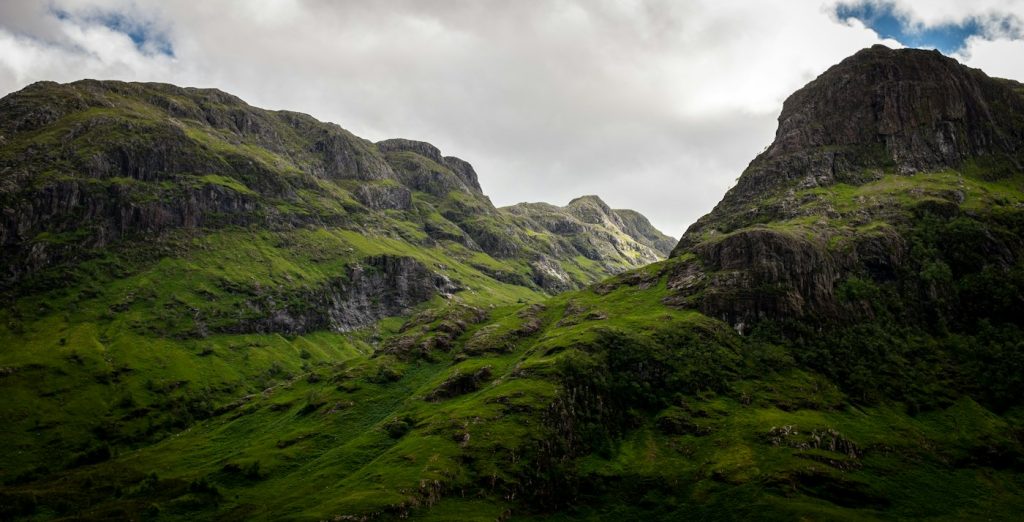
Scotland is generally a reasonable choice for solo female travelers, including a first independent visit. A city break can be organized around museums, bookshops, cafés, and public transport, while a Highland or island trip needs more attention to distances, daylight, and the weather. The right preparation depends on which version of Scotland you want to experience.
The useful distinction is between personal safety in everyday travel and the practical demands of a remote setting. A welcoming village does not guarantee an evening bus, and a popular hill is not necessarily an easy walk. VisitScotland’s planning information provides a starting point for checking transport and current practical arrangements. The guidance below was reviewed on October 21, 2026.
Scotland safety at a glance
| Category | Editorial score | Main concern |
|---|---|---|
| Personal safety | 8/10 | Keep belongings close in crowds and retain an independent exit |
| Transport | 7/10 | City connections work well; rural and island routes need checking |
| Night-time safety | 7.5/10 | Choose a clear route home and a licensed ride when needed |
| Tourist infrastructure | 8/10 | City bases are convenient; remote stays need more preparation |
| Solo-travel ease | 8/10 | Cities suit a first visit; Highland trips need weather flexibility |
| Overall | 7.7/10 | A good independent trip with realistic transport and outdoor plans |
These subjective Lush Nomad editorial scores summarize the practical guidance below for an ordinary sightseeing trip. Higher scores indicate fewer planning hurdles within each category; they are not official safety statistics or a prediction of individual risk. The overall score is the mean of the five categories. Remote outdoor activities require a separate assessment.
A city base can be enough for a first visit
Edinburgh can suit a trip centered on historic streets, museums, and literary connections. Glasgow can suit someone who prefers galleries, music, and a less monument-led day. Choose by the activities and connections you want, rather than treating either city as a single safety category.
Before booking a room, check its route from the actual arrival station or airport. In Edinburgh, look for steps and gradients as well as distance. A short line on a map may involve carrying a suitcase up a staircase; confirm the property entrance and access instructions if mobility or luggage is a concern.
Read recent reviews about nighttime noise and staff availability. A room next to late venues can be convenient for an evening out and less convenient for going to sleep. Compare a hotel, B&B, or hostel by the arrangements you value, including secure storage and a reachable contact.
Leave the first day simple enough to learn the local area. Find the entrance, identify a nearby meal option, and check the route you will use the following morning. The city will still be there after you have eaten and put the suitcase down.
Use public transport where it serves the trip
There is no requirement to rent a car for a solo Scotland visit. Start with the rail or coach connections between your intended bases, then look at the local journeys. Use ScotRail’s official website for its current services and check the relevant coach operator for journeys by road.
Do the return search before reserving a day trip. A train reaching a town in the morning does not establish that there is a suitable departure after an evening event. Include the walk between the stop, accommodation, and attraction; these smaller connections often determine whether the day feels manageable.
For a rural destination, ask the property how visitors without a car reach it. If the answer involves a taxi, confirm local availability and arrange an essential transfer ahead. A quiet setting can be a good choice, provided the arrival and dinner plans are clear.
Avoid scheduling a new base every night just to cover more of the map. Our multi-city trip planning guide helps account for check-in times and transfers. A train journey can be part of the pleasure, but continually moving luggage is a different hobby.
An organized excursion is worth comparing when the places you want are awkward to connect independently. Check the exact pickup point, walking involved, luggage policy, and scheduled return before booking. A small-group day can provide company and local guidance while leaving the rest of the stay independent. If a tour visits a distillery, having someone else drive also avoids building the day around a tasting and then needing to operate a car. Choose the itinerary for what it actually includes, rather than the number of scenic stops promised in the title.
Give Highland and island stays a little more margin
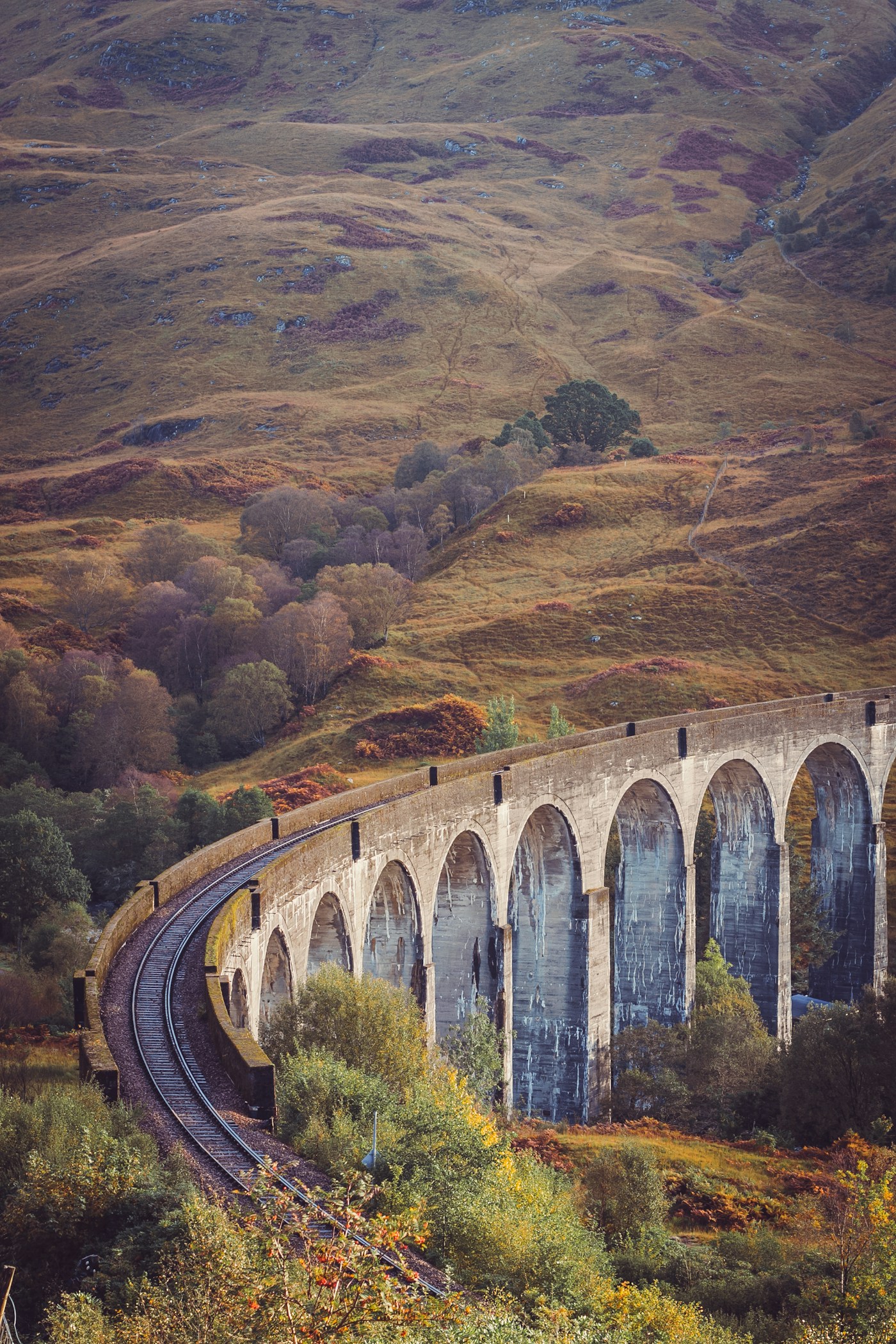
If the main purpose is scenery, choose a base that supports the particular walks or excursions you have in mind. A Highland address is not a complete transport plan. Check the distance to food, the availability of local tours, and whether the property has someone who can help with a delayed arrival.
For island travel, use the operator’s current timetable and service status. CalMac’s official website is relevant to many west-coast routes; use the correct operator for your island. Confirm the port, whether you are booking as a foot passenger or with a vehicle, and how to continue after arrival.
Keep enough flexibility to respond to disruption. Avoid making the last possible ferry the sole connection to a flight or an important onward booking. Ask about cancellation terms before committing to several dependent reservations. The landscape is a good reason to go; it cannot guarantee a departure.
If driving, remember that traffic keeps left and rural roads may need a slower pace than the mileage suggests. Read the rental terms, choose a vehicle you can operate comfortably, and avoid a demanding first drive after an exhausting journey. Pull into an appropriate stopping place before changing navigation or photographing a view.
Assess the return from a night out on its own terms
After a meal, concert, or pub visit, check the specific route back rather than relying on how busy the venue feels. Main streets, quiet closes, and paths through green space are different journeys. Choose the route you understand and keep a licensed ride as an alternative where available.
Keep your drink with you and ask staff for assistance if an interaction becomes uncomfortable. You do not owe someone a room number, a lift, or another drink because the conversation began pleasantly. Leaving early can be an ordinary decision about energy, transport, or preference.
For broader advice, the Scottish Government’s personal safety page directs visitors to Police Scotland’s guidance, including travel and nights out. In crowded places, keep a zipped bag close and avoid leaving a phone on a table. Our travel safety tips for women cover preparations that are useful across destinations.

Match the outdoor plan to your skills and the conditions
VisitScotland’s outdoor safety guidance emphasizes how quickly conditions can change, especially around the coast and Highlands. Check the forecast, local access information, and the time available before choosing a route. A photograph taken on a clear summer day is not a forecast for your visit.
For unfamiliar remote terrain, go with an experienced guide. Carry appropriate footwear, waterproof layers, food, navigation, and a charged phone; do not make mobile reception the only part of the emergency plan. Tell a trusted person where you expect to go and when you expect to return.
Keep an easier alternative available. A short walk, a museum, or a town afternoon can be a better choice when conditions deteriorate. Do not continue simply because you have already traveled a long way to the trailhead.
Scotland’s lochs and coast also need separate judgment. VisitScotland advises against wild swimming alone. Follow local warnings and use an organized session or experienced group if trying an unfamiliar water activity. A calm-looking surface does not explain the conditions underneath it.
Save the right route to help
Call 999 or 112 for an emergency. For a hill emergency, Mountaineering Scotland says to ask for Police and Mountain Rescue. Give a clear location and follow the instructions you receive.
Save accommodation, insurer, and bank contacts offline before departure. Use a Google Maps trip list for town locations and appropriate outdoor navigation for walks. The international travel checklist covers document and payment backups. Once those essentials are settled, choose a pace that leaves room to enjoy Scotland rather than continually trying to reach the next part of it.