Safari Packing List: this guide explains the practical choices, steps and tradeoffs before you act.
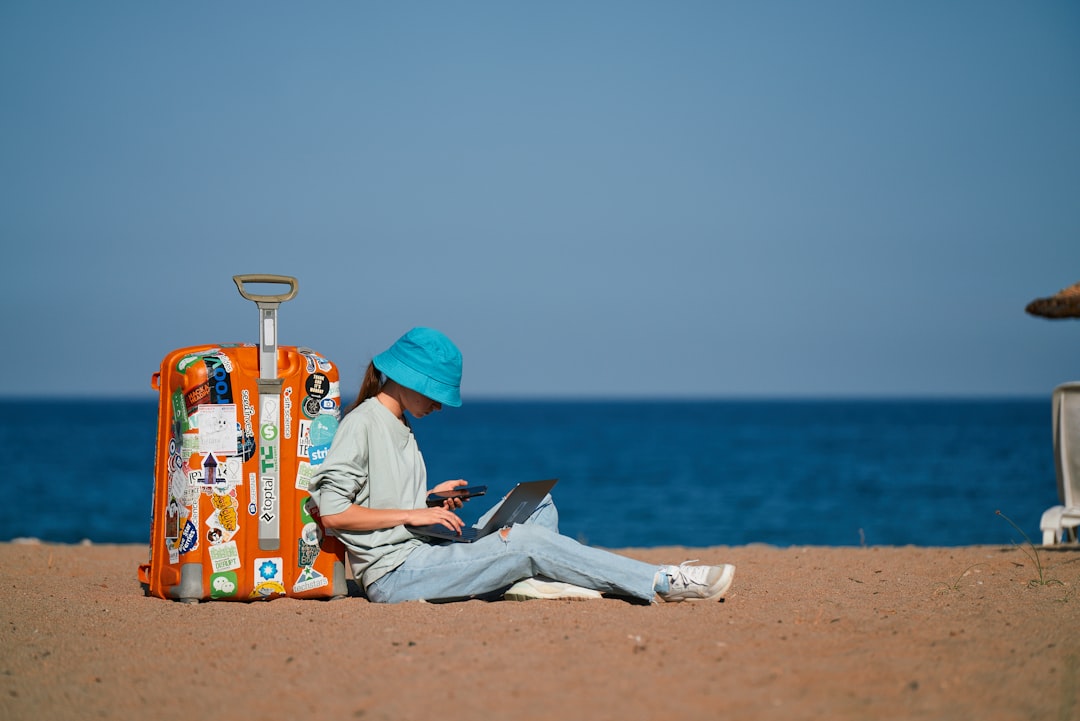
Featured photo by Parker Hilton on Unsplash.
Safari packing has a few rules that don’t show up on a normal trip’s list at all — soft-sided bags only, no camouflage-patterned clothing, and a luggage weight limit that’s considerably stricter than a standard international flight. Miss one of these and the surprise usually shows up at the worst possible moment: at a bush airstrip, being told a hard-shell suitcase simply can’t go on the plane.
Clothing: neutral colors, for reasons beyond style
Earth tones and khaki aren’t a safari aesthetic choice — they’re functional. Bright colors and white stand out to wildlife and show dirt fast in dusty conditions, and in areas with tsetse flies, blue and black clothing specifically attracts them. Neutral, muted colors solve both problems at once.
Pack for layering and quick drying: mornings on safari are often genuinely cold, afternoons hot, and quick-dry fabric matters because laundry service — while common at most camps — typically doesn’t include underwear for cultural reasons, so pack enough of that specifically to cover the full trip.
Footwear: tennis shoes for most safaris, real boots for trekking
A solid pair of comfortable, closed-toe shoes covers most vehicle-based safari activities. Gorilla or chimpanzee trekking is a different category entirely and needs real waterproof hiking boots with ankle support — the terrain on a trekking day is nothing like a game drive. Sandals or flip-flops round out the list for evenings back at camp.
The luggage rule that catches first-timers off guard
Many safari itineraries include a leg on a small bush plane between camps, and those flights enforce real, strict limits: typically around 15–20kg total, depending on the region, and soft-sided duffel bags only — hard-shell suitcases and rigid-frame bags are frequently refused outright at the airstrip. This is worth confirming with the specific operator well before the trip, not discovering at check-in for the internal flight.
Because laundry service is available at most lodges, there’s rarely a real need to pack for the full trip length anyway — planning around a mid-trip laundry cycle is what makes the tight weight limit workable.
Sun and insect protection
Days on safari mean sustained outdoor exposure with genuinely strong sun. A hat, sunglasses (pack a spare pair if you wear prescription glasses — losing your only pair mid-trip is a real problem far from an optician), high-SPF sunscreen, long sleeves, and lip balm are all standard-issue, not optional extras. Insect repellent with at least 30% DEET matters for both comfort and, depending on the region, malaria prevention — confirm antimalarial guidance with a doctor well ahead of departure if the itinerary calls for it.
Optics and electronics: binoculars are not optional
A decent pair of binoculars — 8x or 10x magnification — genuinely changes what’s visible on a game drive; a lot of wildlife viewing at real distance is simply invisible to the naked eye without them. Beyond binoculars, pack a camera, chargers, and the correct country-specific plug adapter, along with a headlamp or torch — many camps have no ambient light at all after dark, and walking between a tent and the dining area without one is a genuinely different experience than doing it with one.
Health and documents
Keep passport, itinerary, insurance details, and any prescription medication in carry-on luggage rather than checked bags — a lost bag mid-safari is a real inconvenience, and medication is not something to risk being separated from. Pack enough prescription medication for the full trip plus a buffer, and bring basic remedies for common travel ailments (upset stomach, headache, allergic reaction) since a pharmacy may not be nearby for much of the itinerary.
What to leave at home
- Camouflage-patterned clothing. In several African countries, camouflage clothing is restricted to military use, and wearing it as a tourist can draw unwanted attention from local authorities — a completely avoidable problem.
- Expensive jewelry. It adds risk without adding anything to the experience.
- Anything that doesn’t fit the weight limit “just in case.” The bush-plane weight rule is enforced, not a suggestion — pack against the real limit, not an aspirational one.
A quick packing checklist
- Neutral, earth-toned, quick-dry clothing and layers
- Comfortable closed-toe shoes; real hiking boots if trekking is on the itinerary
- Soft-sided duffel bag confirmed against the operator’s weight limit
- Hat, sunglasses (plus a spare pair), sunscreen, lip balm, DEET repellent
- Binoculars (8x–10x), camera, chargers, correct plug adapter, headlamp
- Passport, insurance, medication kept in carry-on
- Combination lock for luggage security
- No camouflage clothing, no unnecessary valuables
Frequently asked questions
Why do safari packing lists always recommend neutral colors?
Bright colors and white are more visible to wildlife and show dust quickly; in tsetse fly regions, blue and black specifically attract them. Earth tones avoid both problems.
What’s the luggage weight limit for a safari with an internal flight?
Typically 15–20kg total on small bush planes, and soft-sided duffel bags only — hard-shell suitcases are often refused outright. Always confirm the exact limit with the specific operator.
Do I need special boots for a safari, or will regular shoes work?
Comfortable closed-toe shoes are fine for vehicle-based game drives. Gorilla or chimpanzee trekking specifically requires real waterproof hiking boots with ankle support.
Are binoculars really necessary on safari?
Genuinely, yes — a meaningful amount of wildlife viewing happens at a distance where binoculars (8x or 10x) make the difference between seeing something and not.
Pack for the plane, not just the trip
The strictest constraint on a safari packing list usually isn’t the trip itself — it’s the small aircraft between camps. Get the bag type and weight right first, then build the rest of the list around neutral colors, real sun protection, and a decent pair of binoculars. For more warm-climate and minimalist packing strategy, see Lush Nomad’s minimalist packing guide.