
How To Become A Digital Nomad: this guide explains the practical choices, steps and tradeoffs before you act.
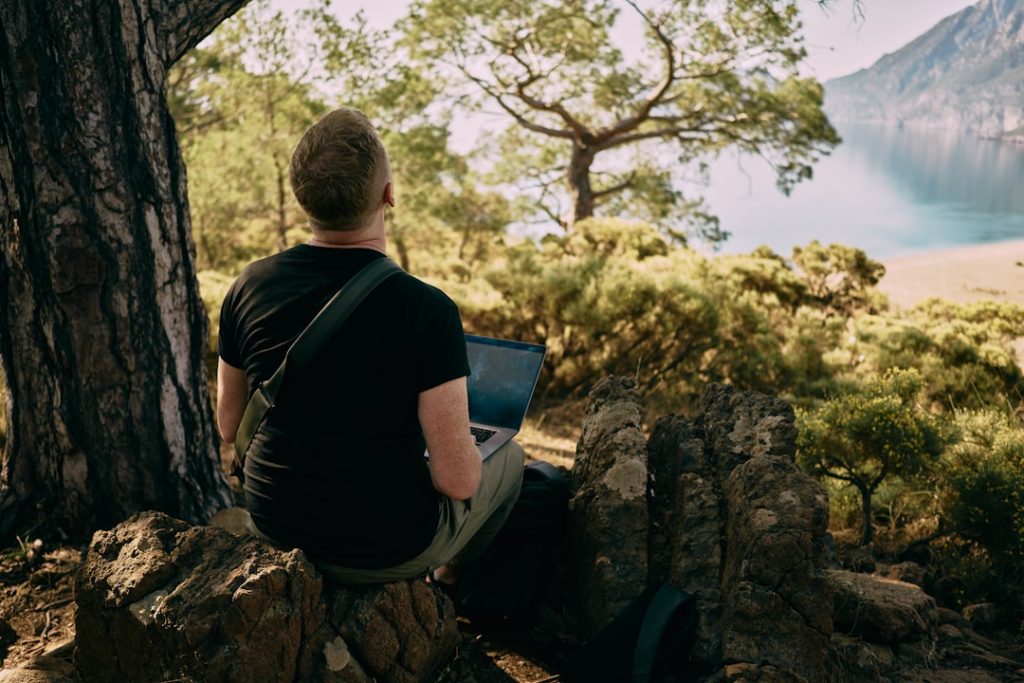
Featured photo by Anastasiia Nelen on Unsplash.
The gap between “I want to become a digital nomad” and actually leaving is usually filled with the wrong kind of preparation — hours spent researching laptop stands and packing cubes instead of the one thing that actually determines whether this works: reliable income that doesn’t depend on being in a specific office. Get that part sorted first, and most of the rest sorts itself out faster than expected. Skip it, and no amount of gear optimization will save the trip.
Step 1: Build the income before you book anything
This is the step people are most tempted to skip, and it’s the one that actually matters. There are three realistic paths in: freelancing in an existing skill (writing, design, development, marketing), converting a current job to remote status, or applying to remote-native roles directly through boards like We Work Remotely or Remote.co. If none of those describe your situation yet, that’s fine — it means step one is skill-building, not travel-booking. Platforms like Skillshare (roughly $19/month) or individual Udemy courses ($10–$50 each) are genuinely reasonable ways to pick up a marketable skill in copywriting, design, or web development without a four-figure bootcamp commitment.
The realistic order: get the income stream stable enough to survive a bad month before committing to a departure date. A common and expensive mistake is booking flights first and treating the income as something that will figure itself out on arrival — it rarely does, and travel fatigue is a bad environment for cold client outreach. For a full breakdown of viable roles and realistic pay ranges by category, see Lush Nomad’s guide to the best digital nomad jobs.

Step 2: Build a financial cushion, not just a monthly budget
A monthly income projection isn’t the same as being ready — new freelance and remote income is genuinely inconsistent in the first few months, and a cushion is what absorbs that. A commonly cited target is enough savings to cover close to six months of expenses, treated as a real buffer rather than spending money. Beyond the buffer itself, a few practical pieces matter more than people expect before departure:
- Travel/health insurance — budget-friendly nomad-specific options like SafetyWing start in the range of $50–$60 per four-week period, considerably cheaper than assuming standard travel insurance covers remote work abroad (it often doesn’t, cleanly). See Lush Nomad’s digital nomad health insurance guide for a full comparison.
- A low-fee international banking setup — a card like Wise avoids the currency conversion fees that quietly eat into a tight new-nomad budget, and it’s worth setting up before departure rather than mid-trip.
- An expense-tracking habit across currencies — apps like Trail Wallet exist specifically because manually tracking spending across three currencies in a spreadsheet gets abandoned fast.
Step 3: Handle the administrative cleanup before you leave, not after
This sounds minor and isn’t. A recurring complaint from first-time nomads is forgetting to cancel subscriptions, gym memberships, and recurring deliveries before departure — one account specifically mentioned ending up with six months of accumulated moisturiser shipments because a subscription cancellation was left too late. Build a genuine checklist: subscriptions, memberships, mail forwarding, any recurring local commitments, and — separately — the tax and legal side. Depending on your home country, remaining a tax resident while working abroad can have real implications; this is genuinely worth a conversation with an accountant before departure, not something to figure out from a forum thread once you’re already gone.
Step 4: Pack for function, not for a home office you’re leaving behind
There’s a well-documented tendency among new nomads to over-invest in gear — elaborate laptop stand setups, multiple peripherals, a home-office replica shrunk into a suitcase. In practice, a laptop, headphones, and at minimum two universal power adapters cover the actual work requirement; everything beyond that is optional weight. On the clothing and luggage side, one nomad rule of thumb worth adopting: pack to a single medium checked bag (roughly 20kg) plus a daypack, and pack for a capsule wardrobe rather than “everything I might need,” since you’ll be doing laundry regularly, not living out of one suitcase for a year untouched.
The one connectivity habit worth building immediately: don’t rely on hotel or café wifi as your only internet access. A local SIM or eSIM with data, secured on arrival, is the difference between a stressful first work day and a normal one.
Step 5: Choose a first destination that’s forgiving, not aspirational
The instinct is to pick the most exciting-sounding location for a first trip. The better instinct, according to nomads who’ve done this repeatedly, is to start somewhere less remote and logistically simpler — closer to a home time zone, with an established expat or nomad community, reliable infrastructure, and an easy visa or visa-free entry. Save the more remote, harder-to-navigate destinations for once the actual working-while-traveling rhythm feels manageable. A location’s popularity on social media is a weak signal for whether it’s a good first stop; internet reliability, timezone overlap with clients, and visa simplicity are the criteria that actually matter for someone working, not just visiting.
Practical destination-research checklist: cost of living relative to income, internet speed data (check Nomad List or similar aggregated sources rather than assuming), the visa or entry situation for your passport, and whether the timezone realistically overlaps with when clients or employers expect responsiveness.
Step 6: Expect a real adjustment period, not instant flow
Culture shock is a real and often underestimated part of the first few months — it tends to hit harder than people expect, even for those who’ve traveled extensively as tourists before. Working while adjusting to a new culture, climate, and daily rhythm is a different load than vacationing in the same place. A practical mitigation that experienced nomads recommend: arrive on a weekend rather than diving straight into work the day after a long flight, and build in a genuine adjustment window before expecting full productivity in a new location.
Frequently asked questions
Do I need a specific visa to become a digital nomad?
It depends on the country and how long you plan to stay — some destinations offer dedicated digital nomad visas requiring proof of foreign remote income, while others allow remote work informally under standard tourist or visitor entry for shorter stays. See Lush Nomad’s complete guide to digital nomad visas for country-specific requirements.
How much money do I need saved before becoming a digital nomad?
A commonly cited target is roughly six months of living expenses as a buffer, on top of whatever income stream is already in place — new freelance or remote income tends to be inconsistent in the first several months.
What’s the biggest mistake first-time digital nomads make?
Over-preparing on gear and destination research while under-preparing the income side — booking travel before the income stream is stable enough to absorb a slow month is a common and avoidable setback.
Should I quit my job before becoming a digital nomad?
Not necessarily — converting an existing job to remote status, where possible, is often a more stable transition than quitting outright to freelance from scratch. Freelancing from zero income is a real path, but it benefits from a longer financial runway.

Sequence matters more than any individual item
Every step above is well documented individually, but the order is what most guides get wrong — treating gear, destination, and Instagram-worthy departure photos as the starting point instead of the ending point. Income first, cushion and logistics second, destination and gear last. Get that order right, and the actual transition tends to be less dramatic than the planning made it feel. For the next steps once you’re set up and working, see Lush Nomad’s digital nomad productivity tips and best digital nomad jobs guides.