
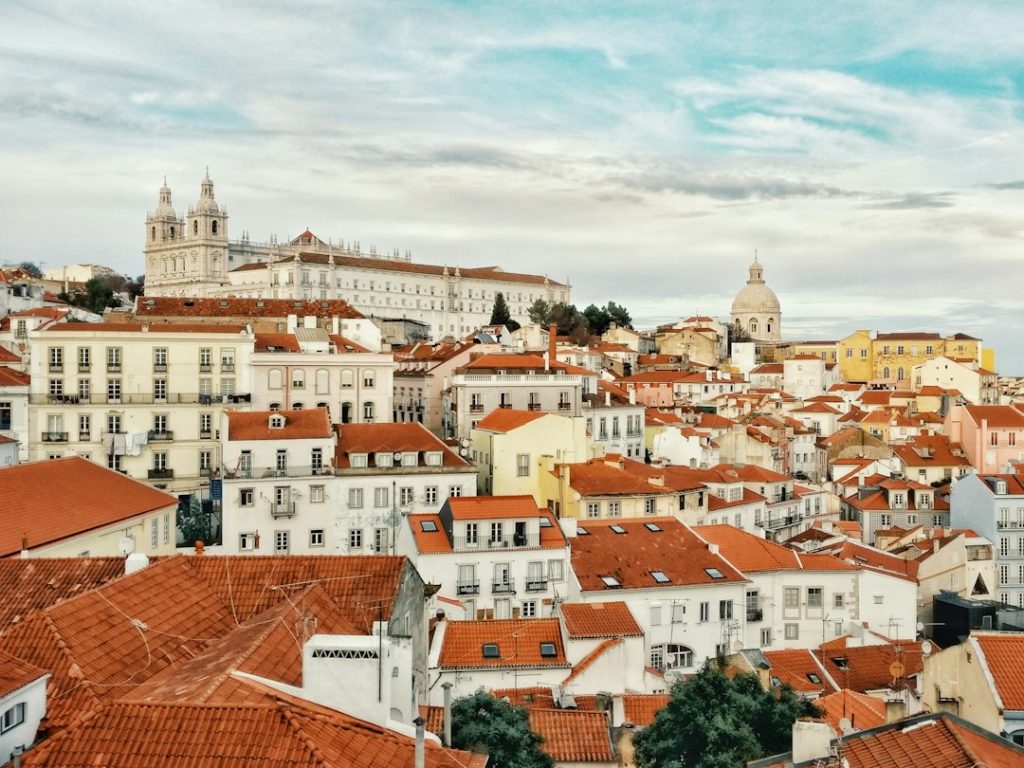
Portugal is generally one of Europe's easier and safer destinations for solo female travellers. Lisbon and Porto have useful public transport, intercity trains connect major stops and eating alone attracts little attention. The main visitor concerns are pickpocketing, nightlife judgement and Atlantic beach or cliff hazards—not an absence of crime.
Portugal is especially approachable for a first solo trip because independent days require little logistical effort. Good infrastructure should support awareness rather than encourage complacency.
Portugal safety at a glance
| Category | Editorial score | Main concern |
|---|---|---|
| Personal safety | 8.5/10 | Normal precautions in cities and nightlife |
| Public transport | 8.5/10 | Strong urban and intercity connections |
| Theft | 7/10 | Tourist trams and crowded attractions |
| Night-time safety | 8/10 | Drink control and route planning |
| Coastal safety | 7/10 | Waves, currents and cliffs |
| Overall | 8.2/10 | Excellent first solo destination |
What does official travel advice say?
Official guidance describes crime levels as low but notes pickpocketing, bag-snatching and theft in tourist areas and on public transport. Government of Canada advice also mentions reports of assault and sexual assault in nightlife settings.
These warnings do not contradict Portugal's strong reputation. They identify the places where a generally safe trip can still go wrong.
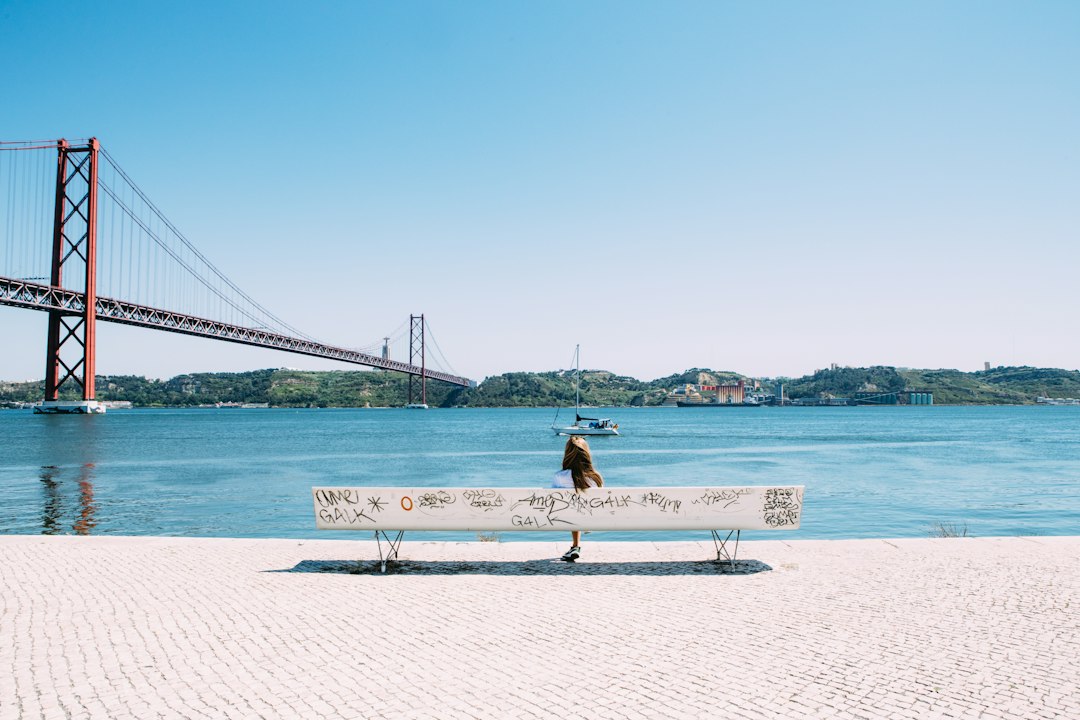
Is Lisbon safe for solo female travellers?
Lisbon is generally comfortable for independent visitors. Restaurants, viewpoints and historic districts remain active into the evening. Hills, uneven paving and crowded transport create practical concerns alongside theft.
Trams popular with tourists can become extremely crowded. Wear a zipped cross-body bag in front and do not leave a phone in an outer pocket. At viewpoints and busy squares, avoid placing belongings beside you while taking photographs.
Neighbourhoods such as Baixa, Chiado, Alfama and Bairro Alto have different characters throughout the day. Bairro Alto's nightlife can be enjoyable, but alcohol and dense crowds require stronger drink and bag awareness.
Is Porto safe for women travelling alone?
Porto is compact and commonly feels manageable alone. The riverside and central streets attract visitors, while steep lanes can become quiet away from activity. Plan the return from late dinners and wear footwear suitable for cobbles and hills.
As in Lisbon, protect valuables on crowded transport and around major sights. Do not assume a nearly empty street is dangerous, but choose a more active route when two options are available.
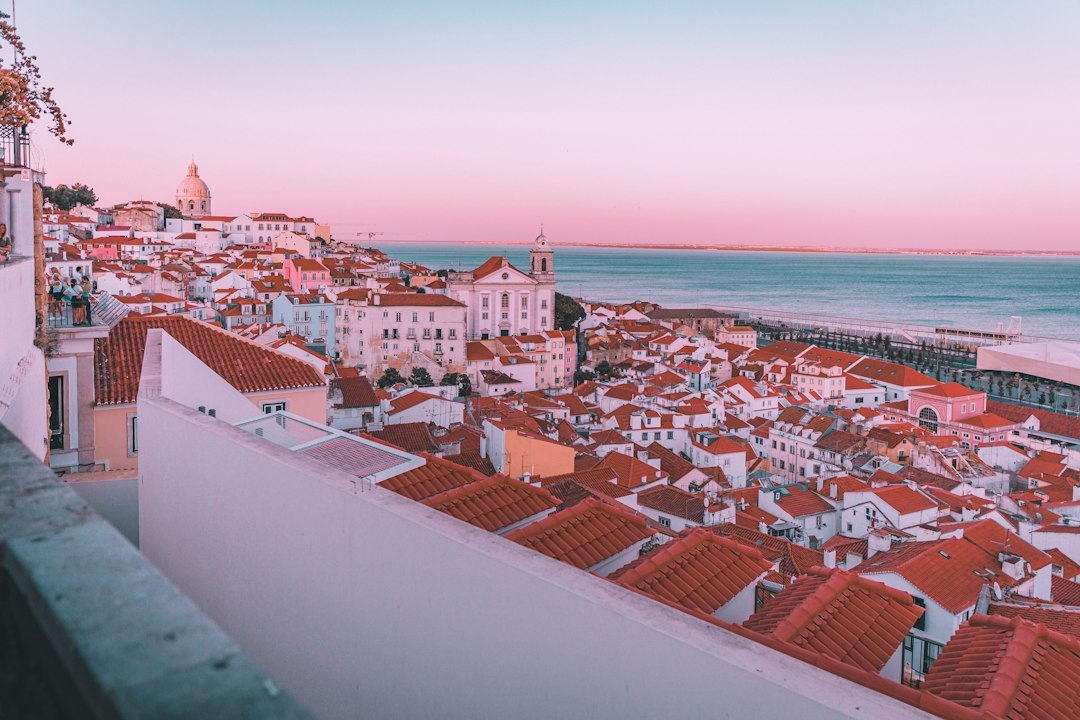
Is the Algarve safe for solo travellers?
The Algarve's towns and resorts are generally accessible, but car-dependent or isolated accommodation can complicate a solo stay. Check the distance to food, transport and the beach before booking. A low-cost villa may require taxis for every evening journey.
Coastal safety deserves equal attention. Obey lifeguard flags, avoid swimming alone in difficult conditions and stay behind cliff barriers. Rockfalls, strong waves and unstable edges can cause more serious consequences than the theft risks dominating city guides.
Pickpocketing and theft prevention
Crowded trams, metro services, stations and attractions create opportunities for theft. Keep the bag closed and visible, separate backup cards and avoid displaying cash. Never hang a handbag over a chair where it is behind you.
Use ATMs inside banks or established buildings and decline unsolicited assistance. Buy transport and attraction tickets through official channels.
Portugal is not a place where every crowd should feel threatening. These habits should become automatic so that they require little attention.
Is Portugal safe at night for solo women?
Many central dining areas remain active and comfortable after dark. Plan a lit route, retain control of your drink and know how you will return. A licensed taxi or reputable ride service is sensible after drinking or when the accommodation is far from activity.
Do not accept an open drink from a stranger, and tell venue staff if you feel unexpectedly unwell. Meeting people is part of travel, but keep independent transport and avoid revealing your room number.
Public transport and intercity journeys
Metro, trains and coaches make a multi-city solo itinerary realistic. Keep luggage close in stations and confirm the final return service before a day trip. Missing the last connection can turn an easy excursion into an unplanned night journey.
Book long-distance tickets through official operators. For early flights, confirm whether public transport runs at the required time instead of relying on a general timetable.
Choosing accommodation
Prioritise secure entry, recent reviews and a simple route from transport. Lisbon and Porto hills can make a property appear closer on a map than it feels with luggage. Check street access and reception hours before arrival.
In coastal areas, determine whether the property remains connected outside the summer season. Reduced buses and closed businesses may create isolation even when the destination is busy in peak months.
Health, insurance and emergency planning
Visitors should carry insurance appropriate to their nationality and planned activities. Health-care entitlement differs, and an emergency or evacuation may not be fully covered.
Save the accommodation address, keep a backup payment method and learn the European emergency number 112. Follow local instructions during wildfires, extreme heat or coastal warnings.
Is Portugal good for a first solo female trip?
Yes. It combines manageable cities, established tourism and flexible transport. It suits travellers who want independent cultural days with the option of social tours or hostels.
The easiest itinerary avoids too many one-night stops. Allow time to understand each place rather than repeatedly arriving after dark with luggage.
Final verdict
Final safety checklist
Before arrival, check the walking gradient and transport route to accommodation rather than relying on straight-line distance. Keep a zipped bag in front on tourist trams and busy metro services. For evening plans, confirm the final train or arrange a verified ride. At beaches, read flags, use lifeguarded areas and stay behind cliff barriers even when others cross them. Carry a separate payment card and save 112. In the Algarve, confirm whether local transport and nearby businesses operate during your travel season.
Also check seasonal conditions rather than assuming Portugal is identical throughout the year. Summer heat and wildfire disruption can affect inland routes, while winter Atlantic weather may change coastal plans. A solo traveller should keep one flexible day when moving between regions, particularly before an international flight. This buffer makes delays a planning problem rather than a personal-safety emergency.
So, is Portugal safe for solo female travellers? Generally, very much so. Its primary risks are manageable: protect belongings in crowded tourist settings, retain control during nightlife and respect Atlantic conditions. Portugal's strong safety reputation is useful context, not permission to abandon normal precautions.
FAQ
Is Portugal good for first-time solo female travellers?
Yes. Its transport, tourism infrastructure and solo-friendly dining make it approachable.
Is Lisbon safe at night for solo women?
Busy central areas are generally manageable, but choose lit routes and plan transport after drinking.
What is the main tourist risk in Portugal?
Pickpocketing and bag theft in crowded attractions and public transport.
Is the Algarve safe for a woman alone?
Generally yes, but accommodation transport and beach or cliff safety need advance planning.