
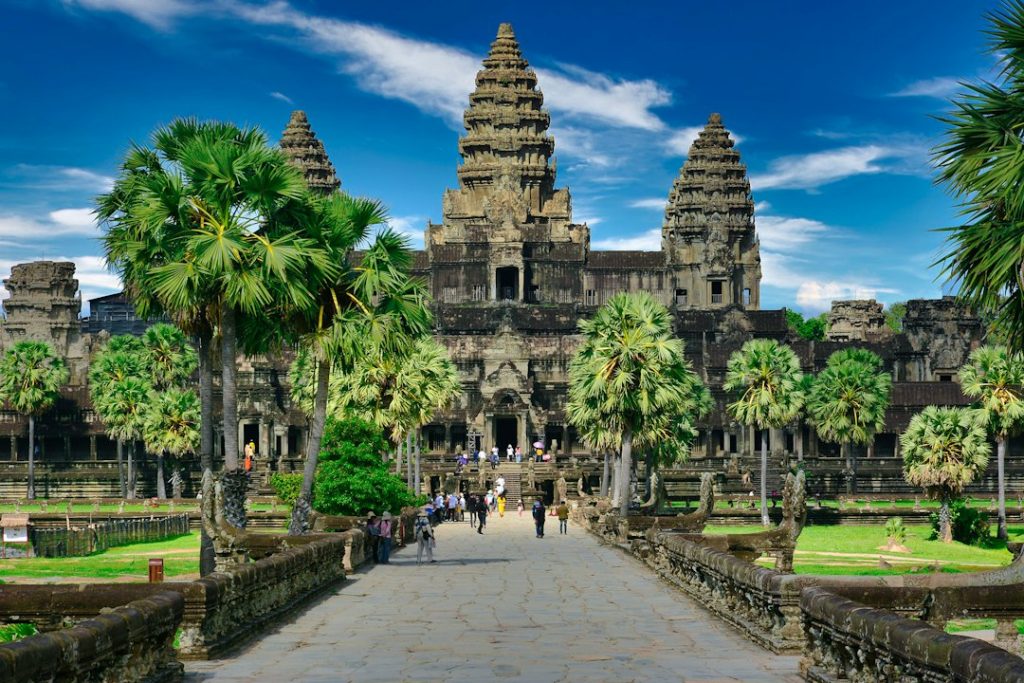
Cambodia can be safe for solo female travellers on established visitor routes when transport is planned and valuables are kept away from the roadside. The most practical concerns are phone and bag-snatching, road accidents, drink safety, limited specialist medical care and landmines or unexploded ordnance outside normal tourist areas.
Siem Reap, Phnom Penh and popular southern destinations have well-developed tourism services, but infrastructure becomes thinner away from the main route. Independent travel is realistic when spontaneity does not replace basic checks.
Cambodia safety at a glance
| Category | Editorial score | Main concern |
|---|---|---|
| Personal safety | 6.5/10 | Bag-snatching and petty theft |
| Road safety | 5.5/10 | Traffic standards and night journeys |
| Health and medical care | 6/10 | Serious cases may require evacuation |
| Night-time safety | 6/10 | Drinks, quiet roads and transport |
| Tourist infrastructure | 7.5/10 | Strongest in Siem Reap and central Phnom Penh |
| Overall | 6.4/10 | Manageable with a planned route |
What does official travel advice say?
Official guidance warns about phone and bag-snatching, sometimes by thieves on motorcycles, as well as drink-spiking, road accidents, remote border areas and landmines. Travellers should not leave established roads or paths in affected rural areas.
Advice can include specific border restrictions or areas of increased risk, so routes should be checked immediately before travel.
Is Phnom Penh safe for solo female travellers?
Phnom Penh is manageable in established central areas, but traffic and roadside theft demand attention. Do not stand near the kerb holding a phone or carry a loose bag on the traffic-facing shoulder. Use a zipped cross-body bag positioned away from the road.
The riverside and nightlife areas can be busy, yet quiet streets appear quickly outside the main activity. Plan transport home before going out and avoid walking an unfamiliar route after drinking. Choose accommodation with controlled entry and staff who can help arrange rides.
Markets and transport points call for ordinary pickpocket awareness. Carry only the cash needed and keep a backup card elsewhere.
Is Siem Reap safe for women travelling alone?
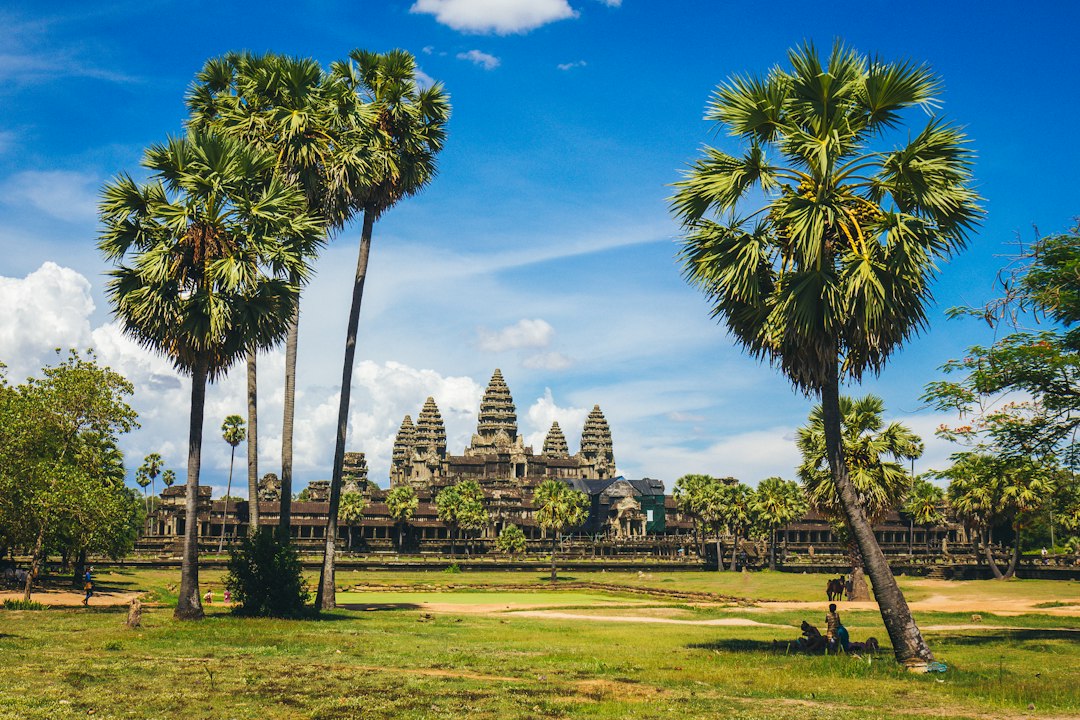
Siem Reap is heavily oriented towards visitors and many solo women find it easier to navigate than Phnom Penh. Hotels, restaurants, tours and app-based transport are widely available in the central visitor area.
The route to Angkor Archaeological Park should still be arranged through a reputable driver or tour. Confirm price, timing and meeting point before departure. At temples, follow clothing rules, stay on marked paths and respect closures.
Pub Street and surrounding nightlife require drink awareness and planned transport, even when crowds create a social atmosphere.
Are tuk-tuks safe for solo female travellers?
Tuk-tuks are a normal form of transport. Choose a driver through a reputable app, hotel or established operator when possible. Confirm the destination and fare before leaving if the journey is not app-based.
Keep a bag between your feet or against your body, not beside the open edge. Do not hold a phone out towards traffic. Share journey details for a late ride and avoid accepting an unexpected change of driver.
Long road journeys should use established bus companies. Night buses introduce road, theft and sleep-related vulnerability, so read current reviews and consider a daytime service.
Phone and bag-snatching prevention
Motorcycle-based theft can happen quickly. Step away from the road before using a phone and avoid carrying a bag by a single loose strap. Keep passport, bank cards and cash divided rather than losing everything in one incident.
Do not resist violently if someone grabs property from a moving motorcycle; the resulting fall or traffic collision may be more dangerous than the loss. Report theft through official channels and cancel cards promptly.
Is Cambodia safe at night?
Central tourist districts may remain active, but lighting and pavement quality vary. Use tracked transport for the return journey. Keep drinks visible, do not accept an open drink from a stranger and tell venue staff if you feel unexpectedly unwell.
Do not reveal the exact accommodation or room number to a new acquaintance. Meeting someone in a public venue and retaining separate transport preserves choice.
Temple etiquette and cultural expectations
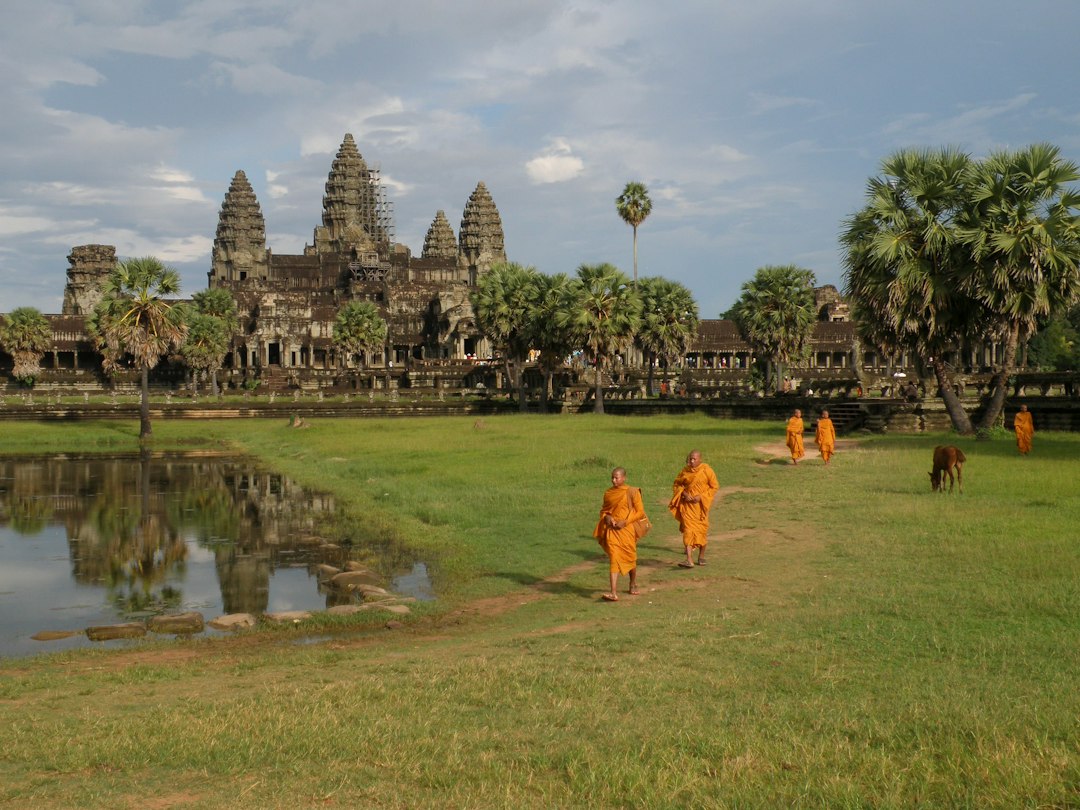
Cover shoulders and knees at temples and follow posted photography or access rules. Women should be aware of local etiquette around monks and religious spaces. Respectful clothing is culturally appropriate, but it does not replace theft or personal-safety precautions.
Ask before photographing people, particularly in rural communities. Calm, respectful communication usually resolves ordinary misunderstandings.
Landmines and remote-area risk
Landmines and unexploded ordnance remain a serious hazard in some rural and border regions. Never leave marked roads or paths in areas with warnings, and do not touch unfamiliar metal objects. Use knowledgeable, established operators for remote excursions.
This risk is different from city crime: it is low for travellers who stay on the normal route but potentially severe when someone improvises in an affected area.
Medical care and travel insurance
Specialist medical care may be limited, and serious illness or injury can require evacuation to another country. Insurance should explicitly cover evacuation, planned activities and any motorcycle travel.
Carry essential medication in original packaging and seek qualified help after animal bites or serious gastrointestinal illness. Heat and dehydration can reduce judgement during long temple days; carry water and rest.
Choosing accommodation and tours
Look for secure entry, night staff, recent reviews from solo women and a location that does not require an isolated walk. Confirm airport or bus-station pickup in advance.
For tours, verify the operator's contact details, group arrangements and emergency process. A private driver should be booked through a traceable business rather than an unrecorded street conversation.
Is Cambodia good for a first solo female trip?
It can be for a traveller comfortable with Southeast Asian traffic and basic logistical planning. Siem Reap is often the easiest entry point because tourism services are concentrated. Combining it with Phnom Penh or coastal areas requires additional transport checks.
Someone anxious about medical access or road travel may prefer a shorter route with pre-booked transfers.
Final verdict
Final safety checklist
Pre-book the first transfer, install a reputable ride app and keep bags away from the open side of vehicles. Step away from traffic before using a phone. Share late journeys, keep drinks visible and carry insurance details offline. For temple or rural days, pack water, appropriate clothing and essential medication. Never leave marked paths where mine warnings exist. These habits address Cambodia's most realistic risks without requiring a rigid or fearful itinerary.
So, is Cambodia safe for solo female travellers? Generally, on established routes and with active precautions. Protect bags and phones from roadside theft, use tracked transport, retain control during nightlife and carry insurance that includes evacuation. The country becomes more demanding when travel moves into remote or border areas, where mines, roads and limited medical support matter more than ordinary tourist crime.
FAQ
Is Cambodia safe for a woman travelling alone?
Generally yes on established tourist routes, with strong theft, transport and night-time precautions.
Is Phnom Penh safe for solo women?
It is manageable in established areas, but roadside theft, traffic and late-night movement require care.
Are tuk-tuks safe for solo female travellers?
They are widely used. Choose tracked or recommended drivers and keep bags away from the open side.
Is Siem Reap safe for solo women?
It is strongly oriented towards tourism, but drink, transport and property precautions still apply.