
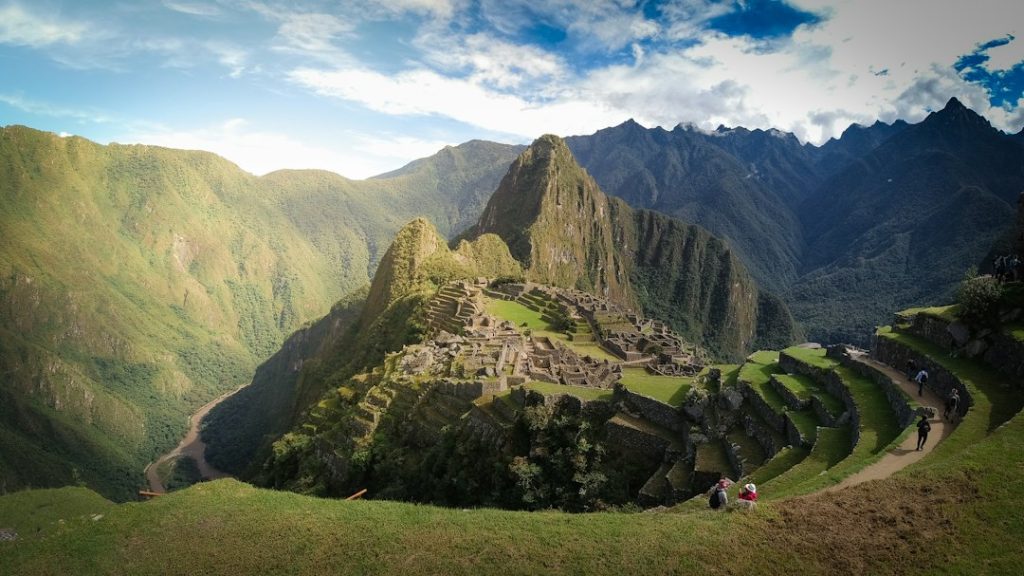
Peru can be safe for solo female travellers who plan for crime, transport, altitude and disruption at the same time. Lima, Cusco, Machu Picchu and remote trekking routes have different risk profiles. Theft and robbery matter in cities, while altitude illness, demonstrations, road conditions and evacuation capacity can shape the wider trip.
Peru's main visitor route is well established, but a successful itinerary needs more than a list of “safe neighbourhoods.” Health and logistics are as important as personal security.
Peru safety at a glance
| Category | Editorial score | Main concern |
|---|---|---|
| Personal safety | 6/10 | Theft and robbery vary by district |
| Transport | 6/10 | Informal taxis and long road journeys |
| Health | 6.5/10 | Altitude and remote medical access |
| Political disruption | 6/10 | Protests and roadblocks can alter routes |
| Tourist infrastructure | 8/10 | Strong on the main visitor corridor |
| Overall | 6.5/10 | Feasible with structured planning |
What does official travel advice say?
Government guidance warns about crime, demonstrations, roadblocks and specific areas where travel should be reconsidered or avoided. UK advice mentions robbery, express kidnapping and risks involving unofficial taxis. Health guidance covers altitude illness and destination-specific vaccination considerations.
Check the current regional map before departure. A national headline does not communicate restrictions applying to particular border or remote areas.
Is Lima safe for solo female travellers?
Lima can be managed with careful district and transport choices. Miraflores, Barranco and San Isidro are commonly used by visitors because of accommodation, restaurants and services. That does not make every street safe at every hour.
Use a tracked ride or hotel transfer from the airport, particularly after dark. Avoid standing beside traffic with your phone visible, and keep bags closed in markets or crowded streets. Plan the return before visiting nightlife areas.
The historic centre is popular during the day, but conditions can change after businesses close. Ask accommodation staff for current route advice rather than relying solely on old blog posts.
Is Cusco safe for women travelling alone?
Cusco has extensive tourism infrastructure and many social activities. Petty theft and unwanted attention remain possible, especially around nightlife. The less obvious issue is altitude: fatigue or nausea can reduce judgement and make ordinary tasks harder.
Keep the first day light, hydrate and avoid combining immediate strenuous activity with alcohol. Fitness does not guarantee protection from altitude illness. Seek medical attention when symptoms worsen rather than forcing the itinerary.
Steep, uneven streets also require suitable footwear and caution after rain or at night.
Can a solo woman visit Machu Picchu?
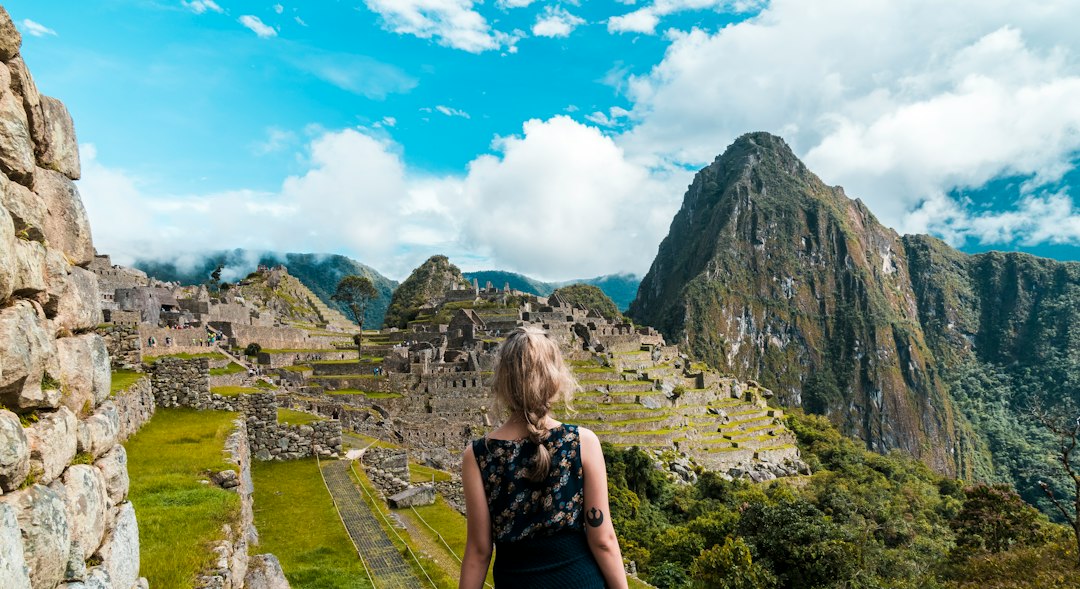
Yes. Trains, buses, tickets and guided options support independent visitors. Book through official or established channels and verify current entry arrangements before travel. Keep enough time between returning from the site and an onward flight.
For the Inca Trail or alternative treks, use an authorised, reputable operator and confirm what emergency equipment, guides and evacuation arrangements are included. Travel insurance must cover the altitude and activity; “hiking” is not treated identically by every policy.
Altitude is a core safety issue
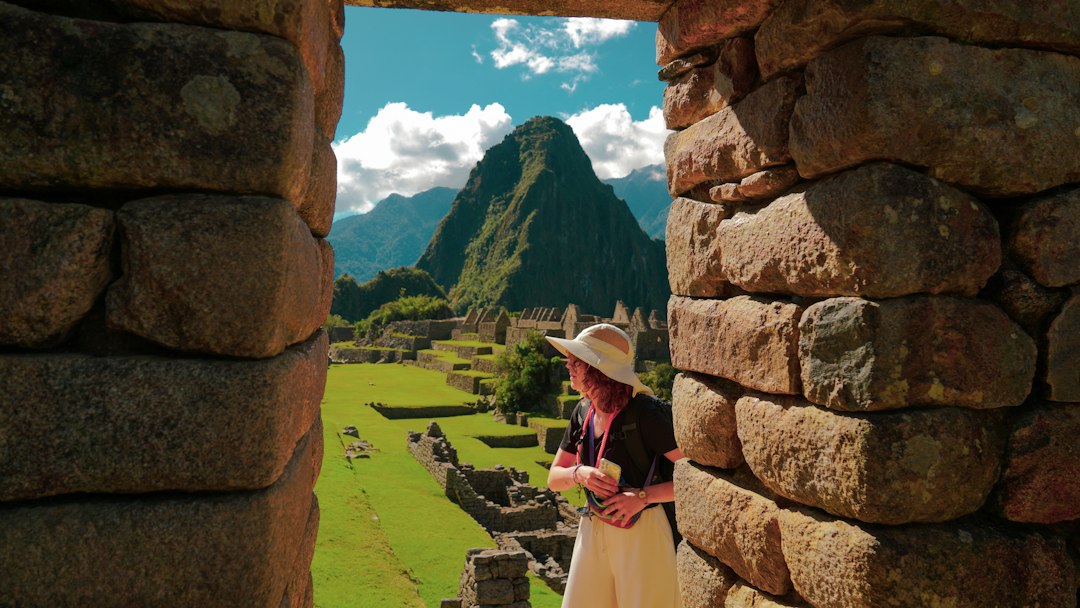
Headache, nausea, dizziness, poor sleep and breathlessness can appear after rapid ascent. Do not treat severe or worsening symptoms as a challenge to overcome. Descending and obtaining medical help may be necessary.
Build acclimatisation into the route rather than using every day for sightseeing. Travelling from a lower elevation gradually may be more comfortable than flying directly into an intensive schedule. Consult a qualified clinician about personal medical risks and medication.
Buses, taxis and domestic travel
Choose established long-distance bus companies and avoid arriving at an unfamiliar terminal in the middle of the night. Keep passports, money and electronics with you rather than in an overhead rack.
Use official airport taxis, hotel transfers or reputable ride services where available. Do not enter an unmarked vehicle because someone urgently claims that normal transport is unavailable. Confirm the fare or app journey before departure.
Road journeys can be affected by weather, landslides, crashes or protests. Avoid scheduling an international flight immediately after a long overland connection.
Protests and roadblocks
Demonstrations can interrupt roads, railways and airport access. Avoid protest sites, follow official instructions and never attempt to cross a blockade. Even peaceful events can become unpredictable or strand travellers far from accommodation.
Maintain itinerary flexibility and a financial buffer for an extra night. Monitor local reporting and ask transport providers to confirm operations shortly before departure.
Theft, scams and night-time safety
Carry only the cash needed for the day and use bank machines inside established buildings. Keep cameras and phones away when they are not in use. If threatened, prioritise physical safety and do not resist an armed robbery.
At night, use trusted transport rather than walking an unfamiliar route simply because it looks short. Keep drinks in sight and retain independent control of the journey home.
Accommodation and tour selection
Choose properties with secure entry, luggage storage and staff who can arrange transport. Read recent reviews from solo women and check the exact route from the nearest drop-off point.
For tours, verify the operator, group size, guide credentials and emergency process. A very low price may reflect reduced equipment, insurance or staff support—features that matter in remote terrain.
Is Peru suitable for a first solo trip?
It can be, particularly for someone willing to book the main transport in advance and leave time for acclimatisation. Travellers who prefer predictable schedules may find demonstrations, weather and long transfers stressful.
Begin with a simple arrival, avoid stacking flights and overnight buses, and add complexity only after understanding local conditions.
Final verdict
Final safety checklist
Arrange airport pickup, keep the first day at altitude light and place buffer time around long road or rail journeys. Save accommodation addresses offline and keep valuables on your body in terminals. Reconfirm tours, protests and transport shortly before departure. For trekking, record the operator's emergency procedure and verify that insurance covers the maximum altitude. Carry water, essential medication and a separate payment method. This checklist treats physical health and itinerary resilience as seriously as theft prevention.
So, is Peru safe for solo female travellers? Yes, with careful preparation. The strongest plan treats Lima crime precautions, Cusco altitude, remote trekking and political disruption as parts of one safety system. Use reputable transport and operators, protect valuables and preserve flexibility. Peru is not carefree, but its established visitor route makes independent travel realistic.
FAQ
Is Lima safe for solo female travellers?
It can be in established districts with trusted transport, but exact neighbourhood and time of day matter.
Is Cusco safe for women travelling alone?
Cusco is heavily visited, but theft, night transport and altitude still require care.
Can a solo woman visit Machu Picchu?
Yes. Use official tickets and transport, and choose reputable operators for trekking.
What is Peru's most overlooked travel risk?
Altitude illness and transport disruption are often underweighted compared with crime.