
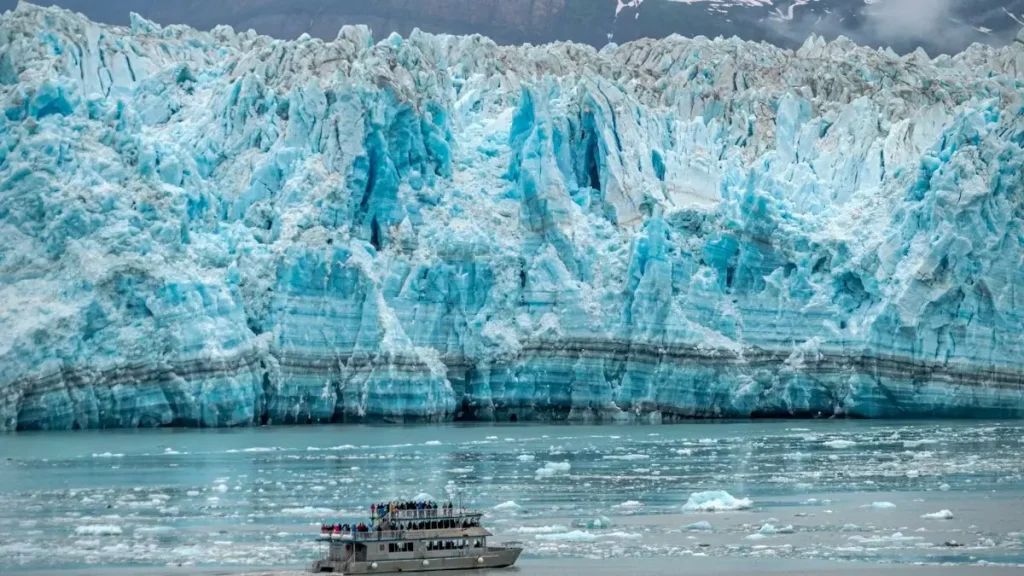
An Alaska cruise packing list should be built around layers, rain and rapid temperature changes—not one heroic winter coat.
Pack a moisture-managing base layer, a fleece or light insulated midlayer and a waterproof hooded shell that can be worn together or separately. Add quick-drying trousers, waterproof walking shoes, warm socks, a hat, light gloves, sunglasses, a small rain-protected day pack and binoculars. Keep cruise documents, medication, valuables and the layers needed on embarkation day in your carry-on. Check the forecast, excursions and cruise-line rules close to departure; an Alaska sailing can move from a sheltered dining room to a windy glacier-viewing deck in minutes.
Alaska cruise packing list
Layering and outerwear
- 2–3 short-sleeve or lightweight base tops
- 2–3 long-sleeve base or midweight tops
- 1 fleece, wool sweater or similar insulating layer
- 1 light packable insulated jacket if you run cold or the forecast supports it
- 1 genuinely waterproof hooded shell
- 1 pair of rain pants for exposed outdoor excursions when appropriate
- 2–3 quick-drying trousers or hiking pants
- Warm hat, light gloves and neck gaiter
- Casual ship clothing and sleepwear
- One smart-casual dinner outfit if the cruise line calls for it
Footwear and socks
- Waterproof walking shoes or lightweight hiking boots with good grip
- Comfortable casual shoes for the ship
- Warm moisture-managing socks
- Optional sandals for indoor pool or spa use
Viewing and excursion gear
- Compact binoculars
- Camera or phone, charger, power bank and enough storage
- Small waterproof or rain-covered day pack
- Reusable water bottle
- Sunglasses and sunscreen
- SPF lip balm and moisturizer
- Insect repellent when season and activity make it useful
- Sleep mask for long summer daylight if light affects you
- Prescription medication and a clinician-approved motion-sickness plan if needed
This is the route-specific layer over a normal cruise packing list. Documents, payment, toiletries and dinner clothing still matter, but Alaska changes the balance toward weather protection and outdoor movement.
Use three layers instead of one bulky coat
The base layer moves moisture away from the skin, the midlayer retains warmth and the shell blocks rain and wind. Each piece can work alone when conditions are mild, while the full system handles colder deck time or exposed excursions. A single heavy parka is harder to adjust inside the ship and may occupy half the suitcase while still performing poorly in rain.
Test the layers together before leaving. The shell must fit over the fleece without restricting movement, and the hood should stay useful in wind. Pack at least one complete weather system in the embarkation carry-on; checked cruise bags may reach the cabin after sailing preparations are underway.
Waterproof matters more than “water-resistant”
Short showers, wet railings and sustained coastal rain are different problems. Read garment specifications and care instructions rather than assuming a light windbreaker will remain dry through a long excursion. A hooded shell keeps hands free and usually handles wind better than a flimsy umbrella.
Waterproof shoes are useful only when they also fit well. Break them in with the exact socks you will wear, and confirm whether a demanding excursion requires ankle support or specialist footwear. For ordinary port walking, comfortable grippy shoes may be more practical than heavy expedition boots.
What to wear on an Alaska cruise
On the ship, dress in layers that move easily between climate-controlled interiors and open decks. A long-sleeve top with fleece and shell nearby works better than returning to the cabin every time the scenery changes. Glacier-viewing periods can feel colder because passengers remain still in wind for longer than a normal walk.
Port clothing should follow the excursion. A city walk in Juneau does not require the same kit as kayaking, a glacier landing or a forest hike. Read operator instructions for rain gear, footwear and supplied equipment before buying or packing duplicates. Dinner standards remain cruise-line specific; Alaska does not automatically cancel every dress code, but it rarely justifies a suitcase of formalwear.
How to pack for a seven-day Alaska cruise
For a typical seven-night sailing, begin with five base tops split between short and long sleeves, two midlayers, one insulated layer if needed, one waterproof shell, three trousers, one optional rain pant, seven pairs of underwear, four or five pairs of suitable socks, ship sleepwear, one dinner look and two main pairs of shoes. Laundry access can reduce quantities; repeating a fleece is less noticeable than carrying a second one up every gangway.
Wear the bulkiest shoes and midlayer in transit. Keep the shell accessible, not compressed beneath evening clothes. Use the packing list generator to adjust for travelers, laundry, luggage and activities.
Packing for May, June, July, August and September
Month labels are a starting point, not a forecast. Earlier and later sailings may increase the value of warmer base layers, gloves and a more substantial midlayer. Mid-summer trips may offer milder periods and long daylight, yet rain, cool wind and cold viewing conditions remain possible. Insect repellent may matter more for inland or forest excursions than on the ship.
Check each port and excursion shortly before departure, including any land-tour segment. Pack a system that spans the forecast range instead of a separate outfit for every imagined temperature. The visual result is not as dramatic as a row of new coats, but it is considerably easier to carry.
Do not forget the viewing gear
Binoculars earn their space because wildlife and glacier details are often farther away than photos imply. Choose a pair you can hold steadily and carry comfortably. Protect cameras and phones from rain, bring enough storage and batteries, and keep devices warm and dry when conditions are cold.
Sunglasses and sunscreen remain useful in cool weather because cloud, water and ice do not eliminate UV exposure. A sleep mask can help travelers who are sensitive to the long northern daylight. These small items solve problems a heavier jacket cannot.
What not to pack
- A huge coat instead of flexible layers
- Unbroken-in hiking boots
- Open-toed shoes for outdoor excursions
- A flimsy umbrella as the only rain plan
- Duplicate gear already supplied by the excursion operator
- Bear spray or other items prohibited by the cruise line
- Excess formalwear without a published dress-code reason
- Only cotton layers for wet, cold outdoor activities
Frequently asked questions
How do you pack for a seven-day Alaska cruise?
Build five or so base tops around two midlayers and one waterproof shell, then add three trousers, suitable socks, waterproof walking shoes, ship clothing and one dinner look. Pack by excursion and use laundry to reduce duplicates.
Is it cold on an Alaska cruise ship?
Interior spaces are climate controlled, but open decks can feel cold or windy, particularly during long stationary viewing. Carry a fleece and shell so you can move between the two without returning to the cabin.
Do you need waterproof shoes for an Alaska cruise?
They are a sensible choice for rainy ports and outdoor excursions, provided they are comfortable and broken in. Check the activity requirements; ordinary port walks may not require heavy boots.
Alaska packing works when every layer has more than one setting. A fleece worn at breakfast can sit under a shell on deck and return for an evening walk. That flexibility matters more than predicting the exact weather months in advance.
Editorial note: Weather, excursion requirements and cruise-line rules change. Check official forecasts, operator instructions and prohibited-item policies shortly before departure.