
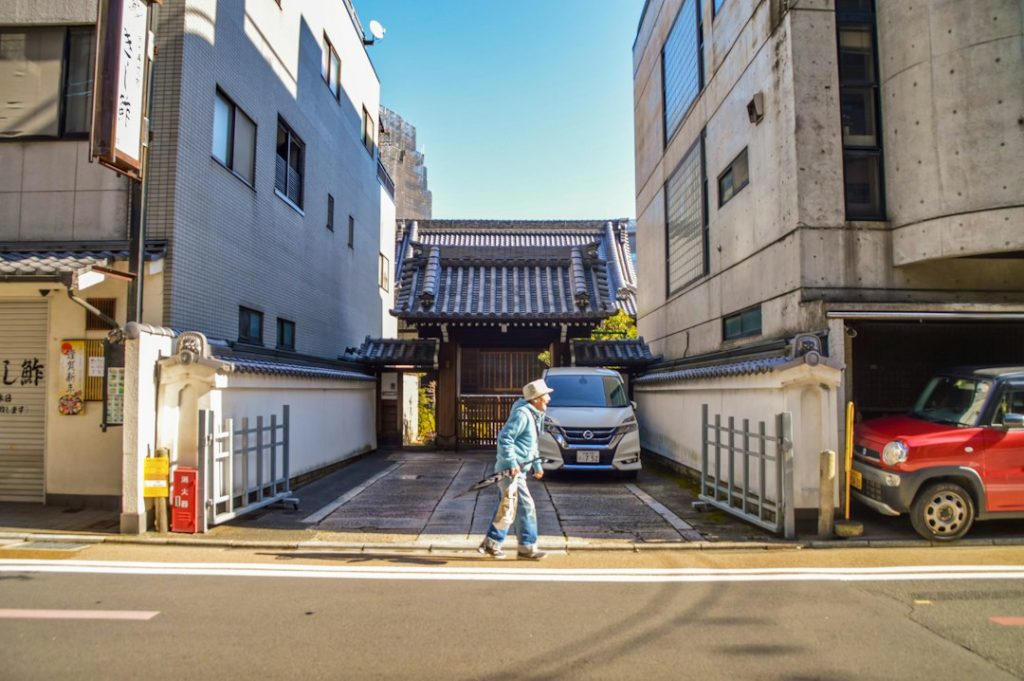
Japan is generally one of the safest and most convenient destinations for solo female travellers. Everyday crime is comparatively low, public transport is reliable and eating or staying alone is socially normal. The main cautions are inappropriate touching on crowded trains, nightlife scams, stalking or harassment, and natural hazards such as earthquakes and typhoons.
Japan's reputation for order is deserved, but “very safe” is not the same as “risk-free.” A useful plan accounts for the situations in which women may feel vulnerable without turning normal travel into a threat exercise.
Japan safety at a glance
| Category | Editorial score | Main concern |
|---|---|---|
| Personal safety | 9/10 | Low everyday crime; harassment can occur |
| Public transport | 9.5/10 | Excellent network; rush-hour touching is reported |
| Night-time safety | 8.5/10 | Touts and bar scams in entertainment districts |
| Disaster readiness | 7.5/10 | Earthquakes, typhoons, tsunamis and volcanoes |
| Solo-travel ease | 9.5/10 | Strong infrastructure and solo-friendly culture |
| Overall | 9/10 | Excellent first solo destination |
The scores are editorial assessments, not official rankings.
What does official travel advice say?
UK guidance describes crime levels as low but notes reports of sexual assault and inappropriate touching. It warns about drink-spiking, credit-card fraud and excessive bills in entertainment districts. Australian advice also highlights drink-spiking and recommends avoiding touts.
Official sources also devote substantial attention to earthquakes, typhoons, tsunamis and volcanic activity. That is important because personal-crime articles often understate the risks most likely to disrupt an otherwise safe trip.
Is Tokyo safe for solo female travellers?
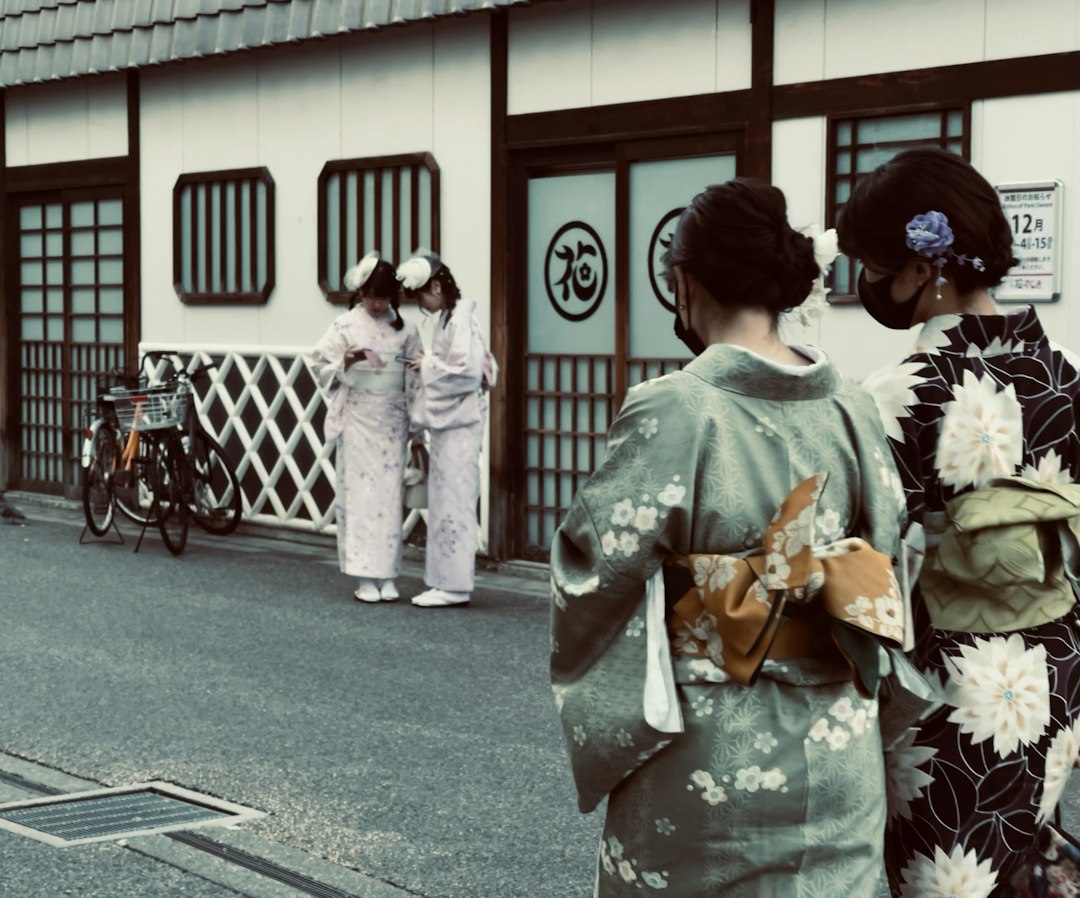
Tokyo is broadly safe and highly navigable. Neighbourhoods are connected by rail, convenience stores stay open late and solo dining is common. A woman can visit museums, shops and restaurants without attracting attention simply because she is alone.
Tokyo is still a vast city. Shinjuku, Shibuya and other entertainment areas become crowded at night, while quieter residential streets may empty quickly. Keep your phone charged, retain the address of your accommodation in Japanese and avoid following a street promoter into an unfamiliar bar.
Kabukichō is not automatically forbidden, but it carries a higher risk of touts, inflated charges and nightlife pressure. Choose a venue with a clear menu and independent reviews.
Are Japanese trains safe for women?
Rail travel is one of Japan's greatest advantages. Stations are organised, services are frequent and major routes have English signage. The main gender-specific concern is chikan—unwanted touching, particularly on crowded commuter trains.
Use women-only carriages when available, especially during peak periods. These operate only on designated lines and times, so check platform signs. If someone touches or follows you, move away, speak loudly, point to the person and seek station staff or police. Silence is not required to preserve social harmony.
Avoid the busiest commuter windows when possible. A slightly later train can be more comfortable when travelling with luggage.
Is it safe to walk alone at night in Japan?
Many urban areas feel comfortable after dark, and violent street crime is not the everyday expectation. Still, choose populated routes and remain aware on quiet lanes. Do not assume that vending machines, bright signs or unlocked bicycles prove an area is risk-free.
If you think someone is following you, do not lead them to your hotel. Enter a convenience store, kōban police box or staffed station and ask for help. Keep accommodation details private when speaking with a new acquaintance.
Nightlife, drinks and bar scams
The practical rule is simple: do not follow touts. Official advice links some nightlife districts with drink-spiking, card fraud and unexpectedly high bills. Confirm prices before ordering, keep your card visible during payment and retain control of your drink.
Nomihōdai all-you-can-drink offers can make it easy to consume more than intended. Plan the final train and remember that a missed service may mean an expensive taxi or waiting until morning.
Are hotels and capsule hotels safe for solo women?
Business hotels are designed around compact, private stays and often suit solo travellers well. Ryokan and hostels can also be comfortable when access and storage are secure.
For capsule hotels, check whether sleeping areas, bathrooms and lifts are separated by gender and whether entry requires a key card. Do not assume every capsule property has the same level of privacy. Read recent reviews from women and verify luggage-storage arrangements before booking.
The safety issue many blogs miss: natural disasters
Japan's low crime can make disaster preparation feel secondary, but earthquakes and typhoons can close transport with little notice. On arrival, identify the emergency exit and evacuation instructions. Keep a power bank, some cash, water and essential medication accessible.
Enable official emergency alerts and follow local instructions. Railway companies may suspend services before conditions appear severe; do not attempt a long journey simply because your itinerary says you should. Coastal travellers should understand tsunami evacuation signage, while hikers should check volcanic and weather notices.
Language and emergency communication
English support is common in major visitor areas but less guaranteed in rural settings. Save your accommodation name and key medical information in Japanese. Offline maps and translation tools reduce stress when mobile coverage fails.
Japan's police boxes can help with directions, lost property and immediate concerns. The national police number is 110 and the fire or ambulance number is 119. Verify emergency details through official sources before publication or travel.
Is Japan suitable for a first solo female trip?
Yes. Reliable transport, low everyday crime and a culture that accommodates solo customers remove many common barriers. The destination works particularly well for travellers who enjoy structured systems and do not mind learning local etiquette.
Someone seeking spontaneous late-night socialising may need more planning around final trains and unfamiliar venues. Rural travel also requires attention to language, weather and reduced service frequency.
Final verdict
Final safety checklist
Before each travel day, check weather and rail notices, charge a power bank and save the next accommodation address in Japanese. During rush hour, identify women-only carriage signs or wait for a less crowded train. At night, ignore touts and confirm the final service home before ordering another drink. At hotels, locate the emergency exit and read earthquake instructions. These habits address Japan's actual weak points—crowding, nightlife pressure and disruption—without treating low-crime streets as threatening.
So, is Japan safe for solo female travellers? In general, very much so. Its strongest risks are situational rather than constant: a crushed commuter train, a tout-led nightlife venue or a sudden weather warning. Use women-only carriages when helpful, reject street promoters, prepare for natural hazards and retain the same boundaries you would use at home.
FAQ
Is Tokyo safe for a woman travelling alone?
Generally yes. Use normal city awareness and take extra care in crowded trains and nightlife districts.
Can women walk alone at night in Japan?
Many areas are comfortable after dark, but use populated routes and seek a staffed shop, station or police box if followed.
Are capsule hotels safe for solo women?
They can be when sleeping areas and facilities are women-only, access is controlled and luggage storage is secure.
What is the biggest overlooked risk in Japan?
Natural disasters and transport disruption are often more relevant than street crime.