

Cyprus Digital Nomad Visa: this guide explains the practical choices, steps and tradeoffs before you act.
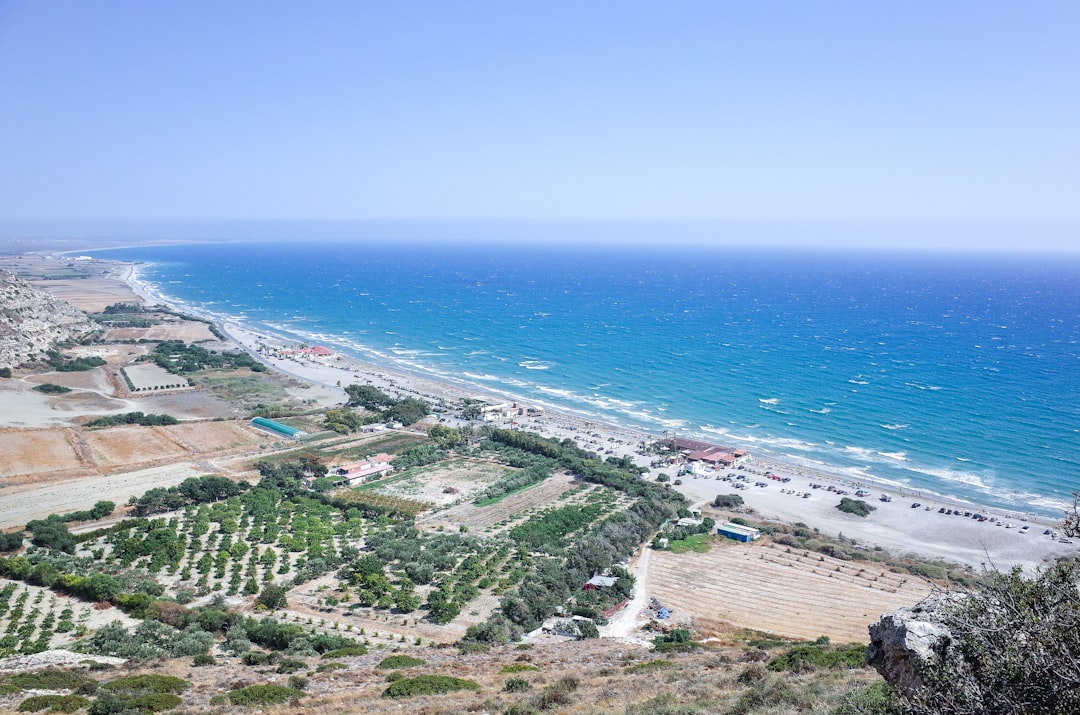
Featured photo by Yu Ko on Unsplash.
Cyprus’s digital nomad visa has a feature most other countries on this list don’t: a hard annual cap on how many permits get issued. The program doubled its quota to 1,000 permits per year in late 2025, but it’s still a finite number, which means applying early in a given year is genuinely more strategic here than it is for most uncapped visa programs elsewhere.
Immigration policy changes over time — confirm current figures with Cyprus’s Migration Department before applying.
Income requirement
The minimum is €3,500 per month for the primary applicant. Bringing family adds to this: a spouse or registered partner adds roughly 20% (about €4,200 combined), and each child adds about 15% (roughly €525 per child) on top of that.

The 1,000-permit annual quota
This is the detail worth planning around: Cyprus caps the number of digital nomad visas issued each year, currently at 1,000 — up from 500 before an October 2025 expansion. Once the annual quota is filled, no further applications are approved until the next allocation period opens. Applying earlier in the year, rather than waiting, meaningfully improves the odds of securing one of the available slots.
Visa duration and renewal
The initial visa is valid for one year, with renewal available for up to two additional years, for a maximum total of three years under this specific program. Renewal applications need to be submitted at least one month before the current permit expires — waiting until closer to expiry risks a gap in valid status.
Tax residency: two different paths, including a genuinely fast one
Cyprus offers something unusual among European countries: two distinct routes to tax residency, one of which is considerably faster than the standard rule most countries use.
- The standard 183-day rule: spending 183 or more days in Cyprus during a calendar year triggers tax residency, the same threshold used by most countries.
- The 60-day rule: spending at least 60 days in Cyprus, while not spending more than 183 days in any other single country during that year, combined with maintaining accommodation and economic ties in Cyprus, can also trigger tax residency — considerably faster than the standard 183-day threshold.
Whether becoming a Cyprus tax resident is desirable depends entirely on individual circumstances (Cyprus has favorable tax treatment for certain types of income for new residents), so this is genuinely worth discussing with a tax advisor familiar with Cyprus specifically, rather than assuming either faster or slower residency is automatically better.
Required documents
- A valid passport with at least three months of remaining validity
- Employment or client contracts supporting the remote work claim
- An employer confirmation letter, where applicable
- Six months of bank statements
- Health insurance covering both inpatient and outpatient care
- Proof of accommodation in Cyprus
- A criminal record certificate
- A medical examination, including a chest X-ray
- A current CV
Application process and timeline
Applications need to be submitted within three months of entering Cyprus, presented in person at the Migration Department in Nicosia. Processing commonly takes five to seven weeks for a complete, well-prepared application — but allow two to three months if any documents need revision or resubmission, since that adds real time to the process.
Family members: included, but restricted from working
Spouses, registered civil partners, and minor children can receive residence permits matching the primary applicant’s duration. There’s an important restriction worth knowing in advance: family members included on the application cannot work or engage in any economic activity in Cyprus under this visa category — their residence status doesn’t come with independent work authorization.
Fees
€70 for the application itself, plus an additional €70 for first-time registry registration — €140 total for the primary applicant.
Frequently asked questions
Is there a limit on how many Cyprus digital nomad visas are issued each year?
Yes — Cyprus caps the program at 1,000 permits annually as of late 2025 (up from 500 previously). Once the quota fills, no further applications are approved until the next allocation period.
What’s the minimum income for Cyprus’s digital nomad visa?
€3,500 per month for the primary applicant, with additional amounts required for a spouse (roughly 20% more) and each child (roughly 15% more).
Can family members work while in Cyprus on this visa?
No — spouses, partners, and children included on the application receive matching residence permits but are not authorized to work or engage in economic activity in Cyprus under this visa category.
How quickly can I become a Cyprus tax resident?
Cyprus offers an unusually fast 60-day tax residency rule (given no more than 183 days spent in any other single country plus maintained ties to Cyprus), in addition to the standard 183-day rule most countries use.

Apply early, given the annual cap
Cyprus’s combination of a real quota system and an unusually flexible tax residency structure makes it worth serious consideration, but the finite annual permit count is the detail that changes the practical strategy — applying earlier in the year, rather than waiting, is a genuinely meaningful advantage here. For a comparison across other countries, see Lush Nomad’s complete guide to digital nomad visas.